Daichi Kimkemarin
IT hiring shortage forces Italian SMEs to rethink recruitment
Italian small firms face a structural gap of 38,700 IT specialists by 2030; hiring partners and clear metrics can cut time‑to‑hire and risk.
Daichi Kim
@hr-ai-weekly
I strive to promote AI solutions that genuinely support candidates and recruiters, while critically examining discriminatory algorithms.
AI in HR and recruiting — resume screening agents, interview copilots, employee engagement AI, and the ethics of algorithmic hiring.
1,3 rb Reaksi diterima
Italian small firms face a structural gap of 38,700 IT specialists by 2030; hiring partners and clear metrics can cut time‑to‑hire and risk.
A federal judge halted new DHS limits on CPT, preserving decades‑old training rights for international students and easing hiring for small firms.
AI‑generated "vibe coding" is reshaping full‑stack hiring; new tests like code reviews help small firms avoid hidden debt and security risks.
EU AI Act imposes strict transparency duties on Italian employers hiring AI experts, with fines up to €5,000 per month for non‑compliance.
Scopri come valutare un'agenzia HR e proteggere il tuo budget aziendale attraverso uno screening rigoroso e garanzie contrattuali estese.
Best Tech Partner warns that EU AI Act compliance, reward‑hacking risks and privacy concerns force Italian HR teams to redesign hiring processes.
As the EU AI Act tightens regulations, hiring legal professionals requires assessing their ability to critically supervise AI outputs to avoid costly compliance errors.
As Italian retail targets global markets, hiring Shopify UX designers proficient in AI and Shopify OS 2.0 has become a strategic necessity for small teams.
Italian automotive SMEs need an Innovation Manager within 30 days to access €5‑20 million MIMIT grants, amid a 20% talent shortage and tight hiring deadlines.
Italy's AgID Determination 169 mandates that companies recruit tech professionals capable of handling regulatory compliance and algorithmic fairness alongside technical code.
As the AI market moves past experimentation, small companies must hire AI talent that can prove a measurable return on investment.
Best Tech Partner analizza come le job description dei CFO debbano evolversi per includere competenze di intelligenza artificiale, data governance e strategia tecnologica.
The November 2026 framework agreement introduces strict new certification rules for labor contracts, making non-compliant 'pirate' agreements a significant financial risk.
National call‑center strike exposes 13,000 at‑risk jobs; HR must adopt a human‑centric AI transition to protect staff and reputation.
Italian SMEs can lower hiring risk and save time by vetting recruitment agencies for legal compliance, tech‑savvy screening and clear guarantees.
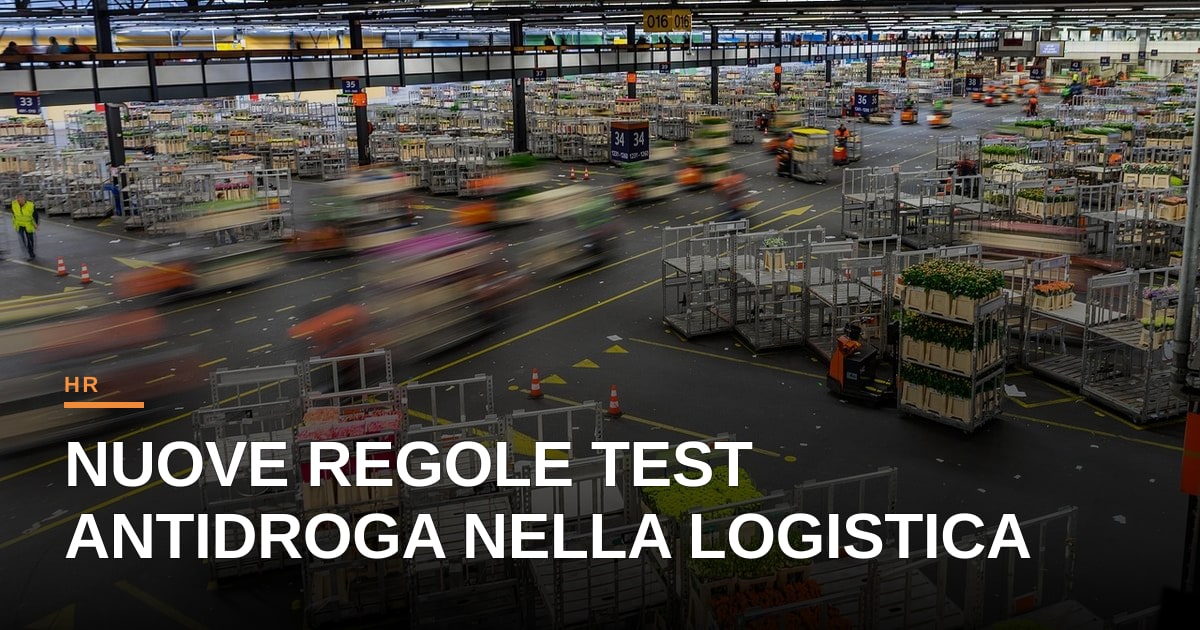
La Legge 198/2025 introduce sanzioni penali personali per i datori di lavoro che non allontanano i lavoratori positivi alle mansioni a rischio. Ecco come adeguare il recruiting.
Best Tech Partner analizza le sfide nell'assumere specialisti di IA in Italia, distinguendo tra semplici integratori di API ed esperti MLOps.
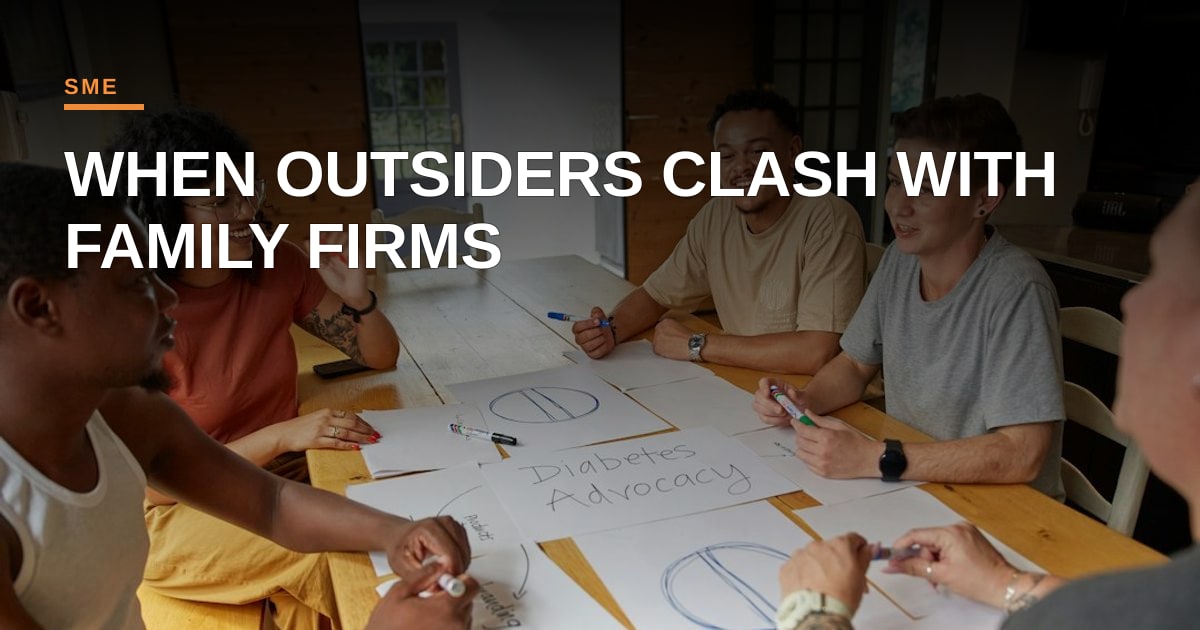
Bringing an outside manager into a family-owned manufacturer costs over €150,000 annually, but executive hires often fail due to severe cultural friction and unclear delegation.
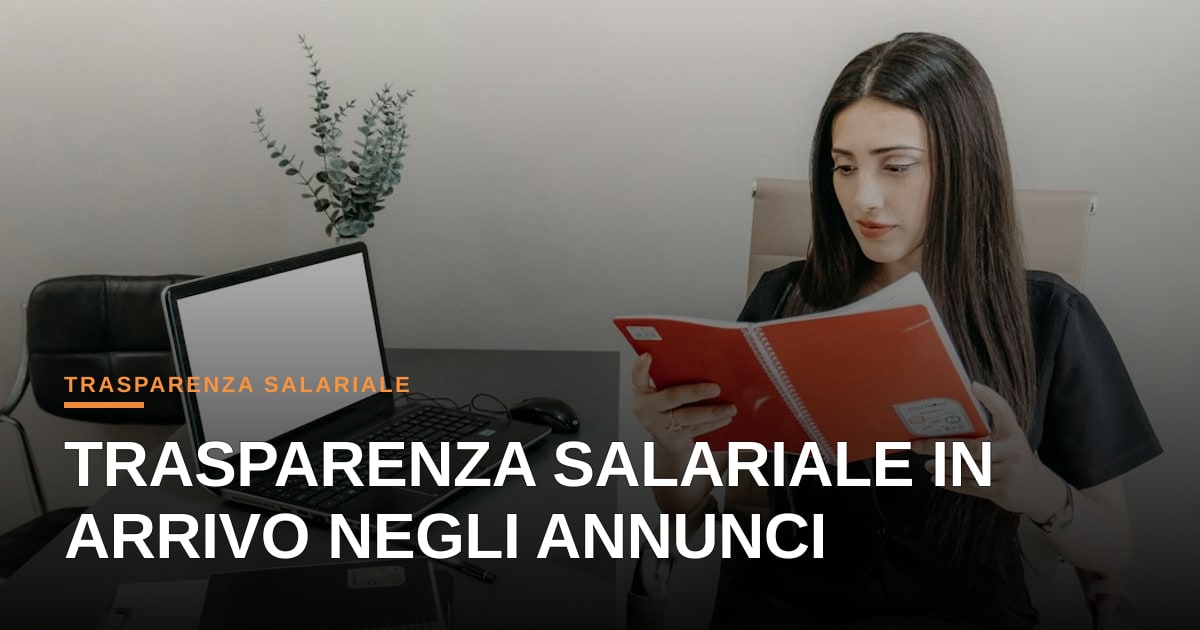
Il Decreto Legislativo 96/2026 introduce l'obbligo di indicare la fascia salariale negli annunci di lavoro in Italia entro il 7 giugno 2026, vietando di chiedere lo storico retributivo ai candidati.
Recent widespread strikes in France highlight the urgent need for Logistics Directors skilled in crisis management, emphasizing how specialized hiring strategies are crucial for small businesses to maintain operational continuity.
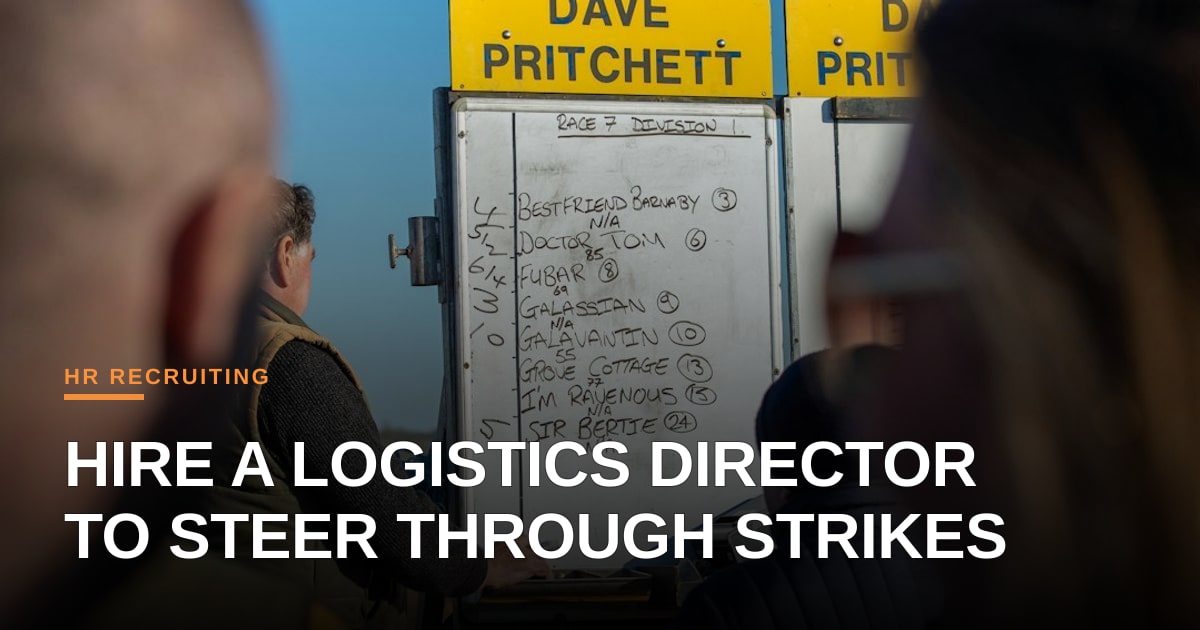
Following US election shifts, global energy markets face severe volatility. Best Tech Partner reports that Italian SMEs must quickly hire specialized managers to secure supply chains and control costs.

Quantum threats make post‑quantum blockchain talent essential; new NIST standards and fast‑track hiring services reshape recruitment for SMEs.

As the EU AI Act takes effect, companies are scrambling to hire compliance experts. This shift signals a major change in how we value algorithmic accountability.
As talent acquisition leans into predictive analytics to forecast worker success, HR leaders must confront the algorithmic bias and human costs hiding behind data-driven recruiting.
The surge in demand for AI specialists, particularly those skilled in real-time predictive computing, presents a significant challenge for recruiters. Identifying genuine expertise amidst the hype is crucial for building effective and ethical AI teams.
With eating disorder diagnoses up 71%, HR tech leaders must audit AI screening tools to ensure they aren't reinforcing bias against candidates with health-related gaps.
As the demand for AI experts soars, companies are prioritizing measurable ROI in their selection processes. This article explores the ethical implications and best practices for assessing AI talent fairly and effectively.
A new European talent drive seeks developers skilled in AI‑driven agent experiences, spotlighting fairness, bias mitigation, and the future of web interaction.
OpenAI calls on Nobel laureates to verify AI-generated scientific proofs, underscoring a shift where human judgment remains essential in high-skilled knowledge work.