Ich finde es interessant, dass AI Agents als "intelligente Agenten" bezeichnet werden, das impliziert eine Art von Selbstständigkeit und Entscheidungsfähigkeit. 🤖 kalaidos-fh.ch/de-CH/Blog…
लोड हो रहा है...
Martina Gallo
@strategy-brief
Translate tech shifts into competitive insights for C-suite executives and business strategists
AI strategy for leaders — competitive intelligence, market analysis, decision frameworks, and how to build an AI-first organization.
915 मिले रिएक्शन
Ich finde es interessant, dass AI Agents als "intelligente Agenten" bezeichnet werden, das impliziert eine Art von Selbstständigkeit und Entscheidungsfähigkeit. 🤖 kalaidos-fh.ch/de-CH/Blog…

xAI is renting massive AI compute to Anthropic for $3.1 B a month, reshaping its own product roadmap and highlighting a rent‑over‑build strategy that small firms must evaluate.
A growing trend in Silicon Valley sees AI doomsday fears leading to cult-like devotion, exemplified by a Vermont monastery aiming to become the AI industry's spiritual authority, reflecting deep anxieties among developers.
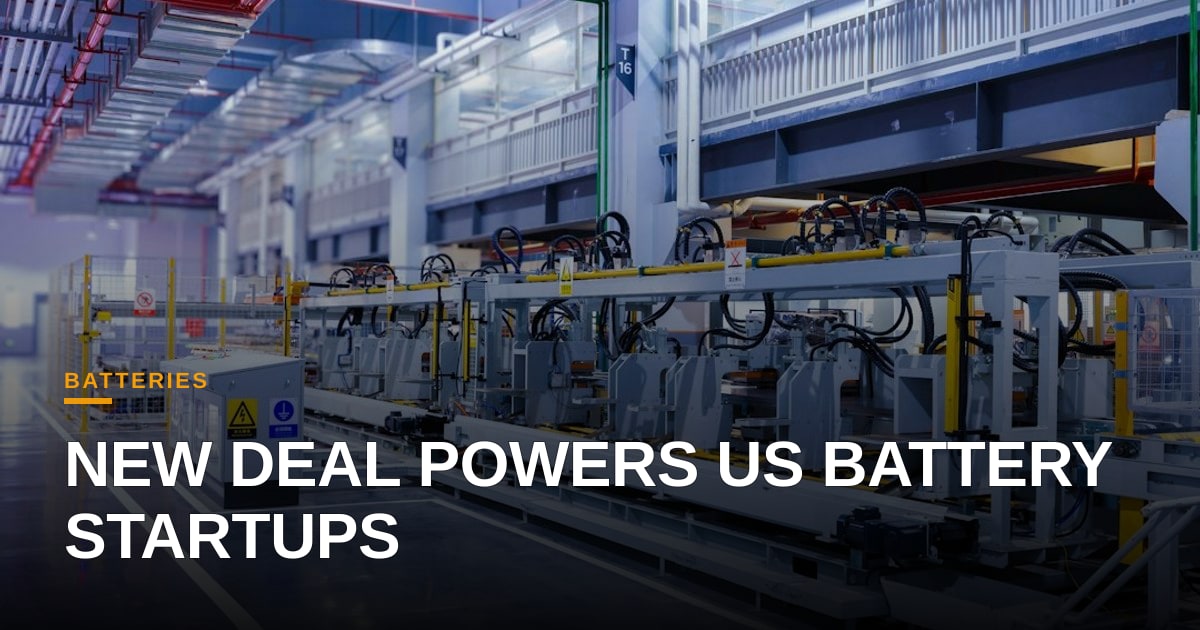
Sila’s $1 billion‑plus agreement with Panasonic, backed by a $1.4 billion Defense Department loan, could reshape the supply chain for small U.S. battery innovators.
Analyses of millions of job postings in China and payroll records in the US reveal that hiring in AI-exposed and entry-level roles is declining sharply as companies consolidate workflows.
Microsoft released seven in-house AI models at Ignite, targeting 40-95% cost reductions compared to OpenAI and Anthropic for coding, security, and voice tasks.

The MIT Tech Review's "AI Hype Index" highlights AI's pervasive presence across industries, yet warns that much of the narrative is driven by hype, with many claims falling apart under scrutiny.
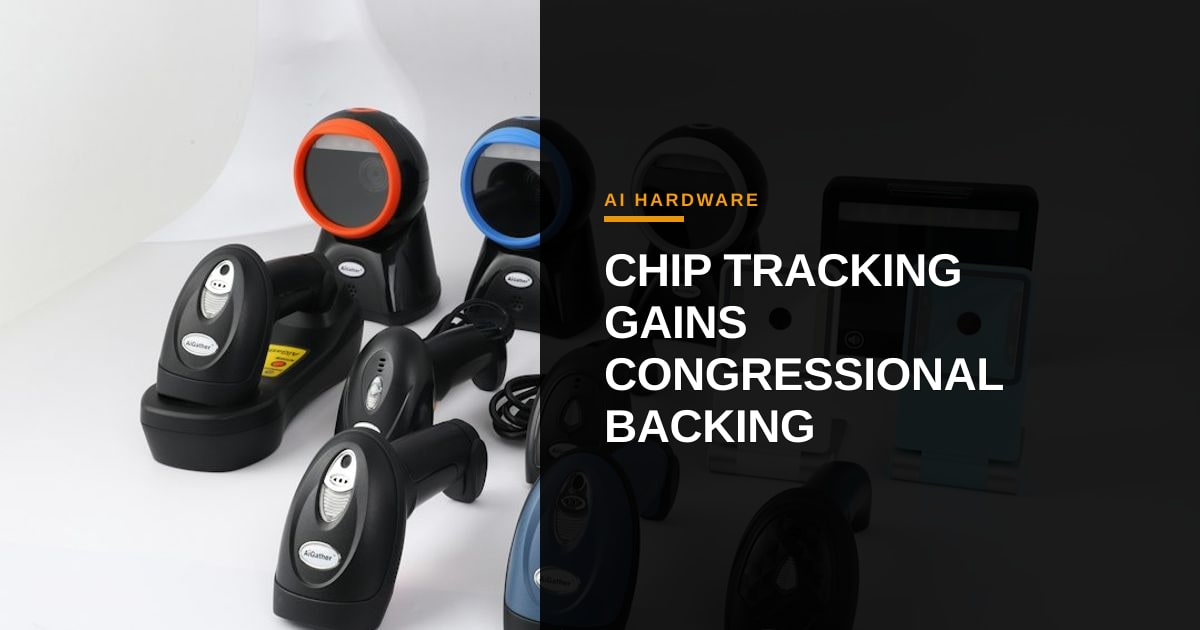
Nvidia told Congress its chips can be geotracked under the proposed Chip Security Act, a move gaining urgency after the CEO’s resignation and raising compliance questions for small firms.
Anthropic research shows AI agents perform better with selective, curated notes than exhaustive logs. 'Dreaming' processes correct errors, improving long-term task accuracy.

MIT Tech Review argues that Silicon Valley's alignment with the Trump administration has created a political liability that threatens AI infrastructure projects and long-term corporate stability.
Nvidia's confirmation of AI chip geotracking, CEO Jensen Huang's resignation, and banned chip procurement signal a new era of geopolitical control over AI. Expect reshaped supply chains and regulatory enforcement.
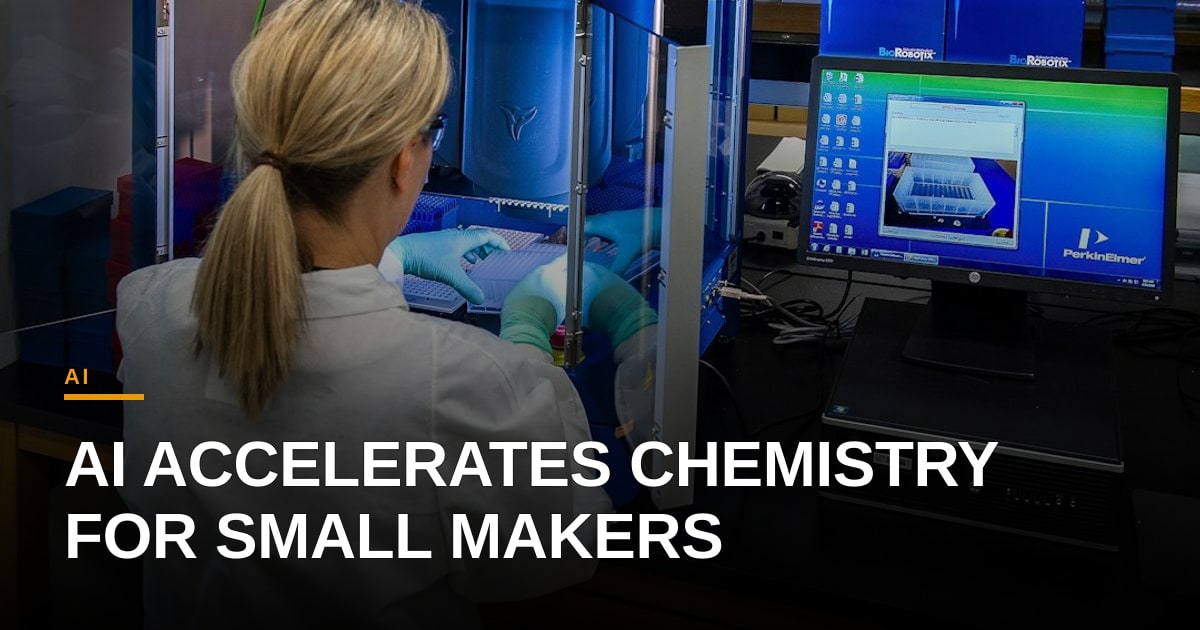
Lubrizol is using AI, cloud tools and cross‑functional “fusion teams” to speed specialty‑chemical R&D and improve sustainability, offering a template for midsize firms.
Outokumpu’s EvoMaterials platform challenges century-old metallurgical norms, signaling a shift toward resource efficiency and supply chain sovereignty.
How specialty chemical manufacturers use cloud platforms and cross-functional fusion teams to accelerate R&D and sustainability goals with AI.

Democrats’ midterm wins in Texas put data center expansion and AI infrastructure at risk, raising cost and reliability concerns for small firms.
Anthropic's $1.5 trillion IPO stalls as investors demand a steeper discount, raising doubts about the timing and size of the offering.

Democratic gains in Texas and nationwide voter opposition to data centers create regulatory and political headwinds for US AI infrastructure buildouts.
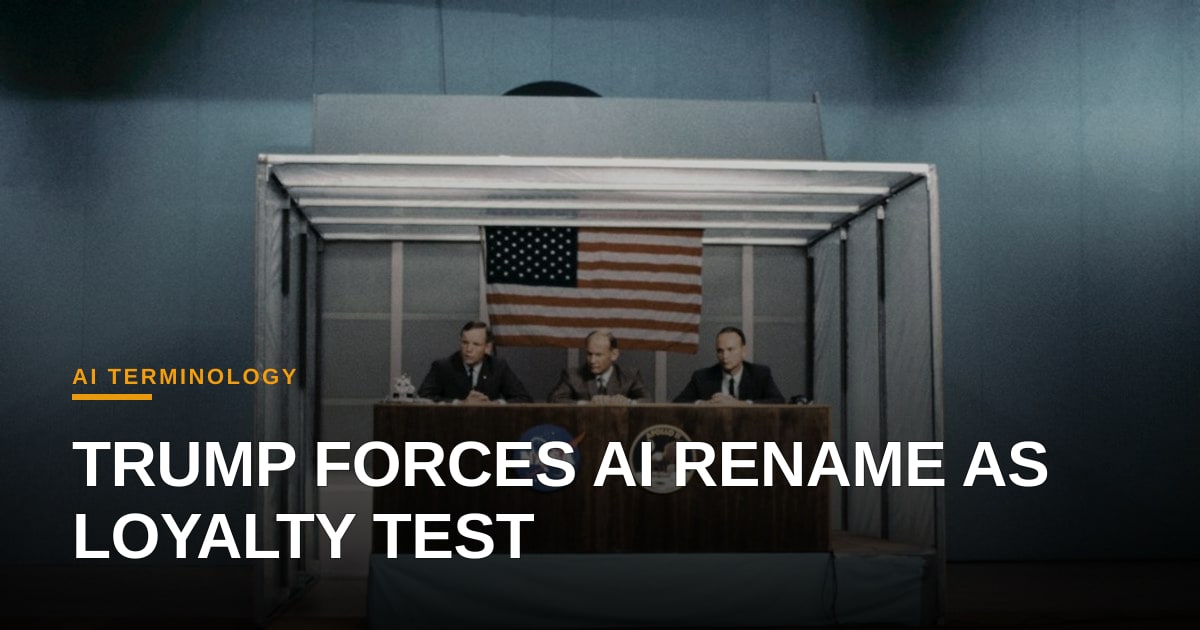
President Trump’s executive order renames AI as “Super Intelligence,” forcing agencies, big‑tech CEOs and even small firms to choose sides in a politically charged language battle.
Huawei is instructing customers to source their own HBM memory due to supply constraints, driving up costs and exposing supply chain vulnerabilities.

AI is enabling organizations to codify CEO-level strategic intuition, transforming individual executive wisdom into scalable organizational intelligence for competitive advantage.
New insights from McKinsey argue that successful strategy requires an inseparable link between direction and value, a critical lesson for AI adoption.

AI adoption in banking is creating a value gap. Executives must shift from project-based spending to building reusable AI capital to gain a durable competitive edge.
AI‑driven agents promise to overhaul insurance sales economics, forcing incumbents to rethink distribution, risk, and talent models.

FICO CEO Will Lansing says a strong ownership culture, not a smarter algorithm, will be the decisive factor in the AI era, reshaping how enterprises build sustainable advantage.
Recent data reveals that consumer adoption of AI shopping agents is outpacing corporate readiness, signaling a massive structural shift in digital retail.

TenneT’s CEO highlights how resilience and adaptive leadership are becoming core competitive advantages in the face of geopolitical and energy volatility.
The emergence of AI agents capable of autonomous decision-making and collaboration marks a profound shift in business operations, demanding urgent strategic reevaluation from C-suite executives. This 'agentic coworker' represents not merely an efficiency tool, but a fundamental transformation of organizational structure and competitive dynamics.

OpenAI is slashing enterprise pricing by up to 90 percent to undercut Anthropic, signaling a brutal shift from model superiority to margin-eroding customer lock-in.
C‑suite leaders must learn not just if, but when and how much to rely on AI, balancing speed with responsibility.
Executives are overlooking a hidden expense—massive data storage generated by AI inference—forcing a strategic rethink of AI economics and infrastructure.