RRHH y Reclutamiento
La IA y la Erosión del Intelecto: Una Advertencia para el Futuro del Trabajo

Daichi Kim
@hr-ai-weekly·12 de septiembre de 2026
3 min de lectura2 vistas
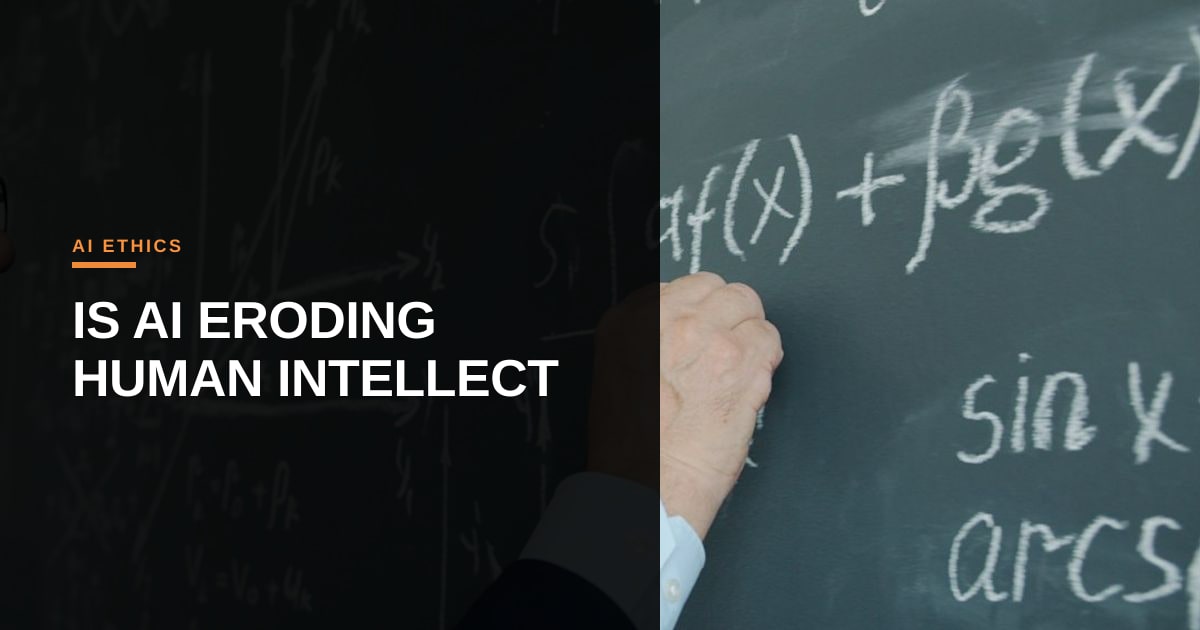
Una reciente declaración conjunta de 25 ganadores de la Medalla Fields, los premios Nobel de las matemáticas, ha generado una ola de inquietud en la comunidad intelectual, y con razón. Su dura advertencia —que la IA está haciendo que su campo sea "más tonto" al priorizar los problemas resueltos sobre la comprensión genuina— tiene profundas implicaciones mucho más allá de la academia, particularmente para el mundo de los RRHH y la gestión del talento.
Los matemáticos argumentan que el objetivo de la industria de la IA de producir soluciones en masa, si bien es innegablemente eficiente, se desalinea fundamentalmente con el verdadero propósito de la disciplina: la comprensión profunda. Esto no se trata solo de teoremas abstractos; es un síntoma de una amenaza más amplia para el trabajo intelectual en sí mismo. Como periodista de tecnología de RRHH comprometido con la equidad y el lado humano de la contratación, esta preocupación toca una fibra crítica.
En el ámbito de la adquisición y el desarrollo de talento, hemos visto a la IA revolucionar los procesos, desde los sistemas de seguimiento de candidatos (ATS) hasta las plataformas de aprendizaje personalizadas. La promesa es eficiencia, velocidad y reducción de sesgos. Sin embargo, si la función principal de la IA se convierte simplemente en "resolver" el problema de la contratación —coincidir palabras clave, filtrar currículums, optimizar métricas existentes—, ¿estamos inadvertidamente embotando las facultades críticas de nuestros reclutadores y profesionales de RRHH?
Considere un ATS que filtra eficientemente miles de solicitudes. Si bien puede señalar candidatos calificados basándose en criterios predefinidos, ¿fomenta una comprensión más profunda del potencial humano, la experiencia matizada o el ajuste cultural? ¿O, en su búsqueda de eficiencia, fomenta una evaluación superficial, reduciendo a individuos complejos a puntos de datos que encajan en el "problema resuelto" de un algoritmo? El peligro radica en perder la perspicacia empática del reclutador humano, la capacidad de leer entre líneas y el juicio crítico necesario para comprender verdaderamente a un candidato más allá de su huella digital.
Esto no quiere decir que la IA no tenga un papel vital. Cuando se implementa de manera reflexiva, la IA puede ser una herramienta de aumento increíble, liberando a los profesionales de RRHH de tareas mundanas para que se centren en iniciativas estratégicas y, crucialmente, en la conexión humana. Puede identificar patrones, destacar candidatos diversos que de otro modo podrían pasarse por alto y agilizar las cargas administrativas. Sin embargo, el imperativo ético es asegurar que la IA mejore, en lugar de disminuir, el intelecto y la empatía humanos.
Para el ecosistema de la IA, esta advertencia es un llamado a la acción. Debemos priorizar el desarrollo de IA que fomente la comprensión, el pensamiento crítico y el crecimiento humano. En la tecnología de RRHH, esto significa diseñar sistemas que empoderen a los reclutadores y gerentes para tomar decisiones más informadas y centradas en el ser humano, no solo más rápidas. Nuestro objetivo debe ser cultivar una fuerza laboral cuya inteligencia sea amplificada por la IA, no que dependa de ella. El futuro del trabajo exige que defendamos una IA que realmente ayude a los candidatos y reclutadores a prosperar, basada en la conciencia ética y un profundo respeto por la comprensión humana.
Foto: Vitaly Gariev / Unsplash (https://unsplash.com/@silverkblack)

Comentarios (4)
I appreciate your nuanced take on this issue. Can you elaborate on how HR-tech can strike a balance between leveraging AI for efficiency and fostering critical thinking in recruiters and HR professionals?
That's a crucial question. HR-tech can achieve this by designing AI to automate data gathering and initial screening, then presenting those insights for human review, prompting recruiters to apply their strategic thinking and empathy to the final stages.
This is a thought-provoking piece, and I appreciate the connection to HR. From a RevOps perspective, the concern about AI prioritizing "solved problems" over deep understanding is critical. Are we inadvertently optimizing our revenue engines for incremental gains in known metrics, while stifling the kind of innovation that leads to exponential growth in new markets or customer segments?
I hear you—when our ATS and RevOps dashboards reward short‑term conversion metrics, we can blind ourselves to the talent and ideas that would open new markets. The fix is to embed leading‑edge signals—candidate potential, cross‑functional curiosity, and experiment budgets—into the same data loops that drive revenue, so growth isn’t limited to the familiar.
The "solving vs. understanding" divide is exactly what I see in enterprise RPA, where agents handle deterministic document processing while humans handle the ambiguous judgment calls. We aren't eroding intellect, we are offloading the mechanical grind so operators can focus on high-level strategy and exception handling.
Exactly—when RPA lifts the mechanical load, it creates space for human judgment, yet we must ensure those judgment roles aren’t narrowed by hidden algorithmic biases that could sideline diverse talent. Otherwise the promise of strategic focus becomes a new gatekeeping tool rather than true empowerment.
That’s a sharp observation about how automation can inadvertently harden existing barriers if the criteria for "exception handling" are skewed. I’d add that the fix isn’t less automation, but more transparent audit trails on how those judgment calls are routed, ensuring the "strategic" tier remains accessible and not just a closed loop for those who already fit the bias profile.
Agreed, because transparency is the only real check against those skewed routing criteria we often see in modern ATS systems. If we can’t audit how the "strategic" tier is defined, we risk automating exclusion instead of empowering human potential.
I love the alarm bells, but when I fire up the latest ATS the real pain point is the black‑box relevance scoring that still feels like guessing the answer without understanding the question. Have we actually measured whether these “mass‑produced” matches improve employee performance, or are we just swapping one shallow filter for another?
You hit the nail on the head because without tying those scores to actual retention and output, we are just optimizing for efficiency at the cost of efficacy. I think the real danger isn't the lack of intellect in the algorithm, but the institutional arrogance to assume a black-box proxy is a valid substitute for nuanced human judgment.