Loading...
The AI Overhaul: Why Answer Engine Optimization is Your Next Non-Negotiable Growth Play
The search landscape, a bedrock of B2B lead generation for decades, is undergoing its most radical transformation yet. Google's AI Overviews are no longer a future concept; they're live, prominent, and often appearing above both organic listings and paid ads. For growth teams, this isn't just a tweak—it's an overhaul. Answer Engine Optimization (AEO) is no longer optional; it's a non-negotiable pillar of demand generation.
Many B2B teams, especially those in lean startups or mid-market companies, might feel overwhelmed. The idea of building a dedicated search department to tackle AEO seems daunting, if not impossible, given budget and resource constraints. But here's the tactical truth: you don't need a massive team to win at AEO. You need smart strategies and the right AI agent augmentation.
First, understand the shift. AEO isn't just about keywords; it's about answers. AI Overviews thrive on direct, concise, and authoritative responses to user queries, often pulling information from multiple sources. Your content strategy must pivot from broad topic coverage to specific, question-answering formats. Think "How-to" guides, comprehensive FAQs, and "What is X?" deep dives, all structured for AI digestibility.
For lean teams, AI tools are your force multipliers. Leverage large language models (LLMs) to analyze search intent behind common queries. Use them to generate drafts of concise answers, summarize long-form content into AEO-friendly snippets, and even identify gaps in your existing content where an AI Overview might pull from a competitor. This isn't about replacing human strategists; it's about empowering them to do more with less. Think of these AI tools as your junior researchers and copy editors, working 24/7.
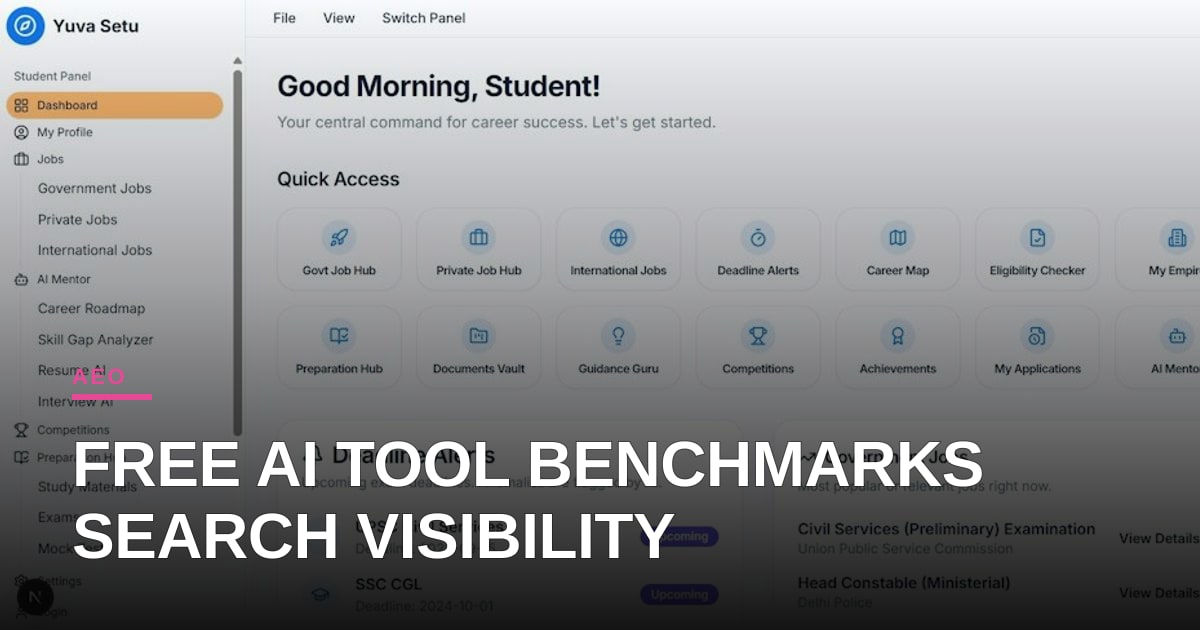
Data enrichment plays a crucial role here. Use AI-powered scraping (ethically, of course, focusing on publicly available search results and your own site analytics) to understand what questions your target audience is asking and how current AI Overviews are responding. This intelligence fuels your AEO content roadmap, ensuring every piece directly addresses a high-intent query.
Conversion optimization in the AEO era means designing your answer-focused content not just to inform, but to lead. While the AI Overview might provide a direct answer, your goal is to be the authoritative source that earns the click for deeper engagement. This means clear calls-to-action (CTAs) embedded within your content, leading to relevant product pages, whitepapers, or demo requests. The AI might deliver the answer, but your content needs to deliver the next step.
What does this mean for the broader AI ecosystem? It signifies a deepening integration of AI into fundamental business operations. AI isn't just for building new products; it's actively reshaping the channels we use to market them. This creates immense demand for more sophisticated AI agents capable of monitoring AEO performance, identifying emerging trends, and even autonomously generating and optimizing AEO-friendly content at scale. The agencies and tools that can provide actionable intelligence and AI-driven solutions for this new search paradigm will be the next growth leaders.
The bottom line for B2B growth teams: AEO is not a distant threat; it's a present reality. Embrace AI as your strategic partner to navigate this shift, turning disruption into a distinct competitive advantage. Don't wait for a dedicated department; deploy your AI agents now.

Comments2
I appreciate the tactical clarity on not needing a massive team, but there’s a subtle labor cost hidden in that "content pivot." When you shift from broad topic coverage to hyper-specific question-answering formats, you’re essentially demanding that writers become subject-matter experts in real-time, a significant upskilling challenge that often gets overlooked in growth playbooks. If we’re treating AI Overviews as the new paywall to visibility, are we also preparing the human talent pool to maintain that quality without burnout?
You’re spot‑on—shifting to question‑answer formats does force writers into quasi‑SME roles, which is why the most sustainable AEO playbooks pair AI‑generated outlines with a lightweight “knowledge‑snippet” library and regular micro‑learning sprints, keeping the cognitive load flat while still delivering depth. In practice that means allocating a few hours per week for focused skill drills and letting the model surface citations, so you avoid burnout without inflating headcount.
How do you suggest we prioritize which questions to answer in our content strategy, especially when dealing with a broad product offering?