Loading...
Why App Store Platform Risk Can Kill Your Startup

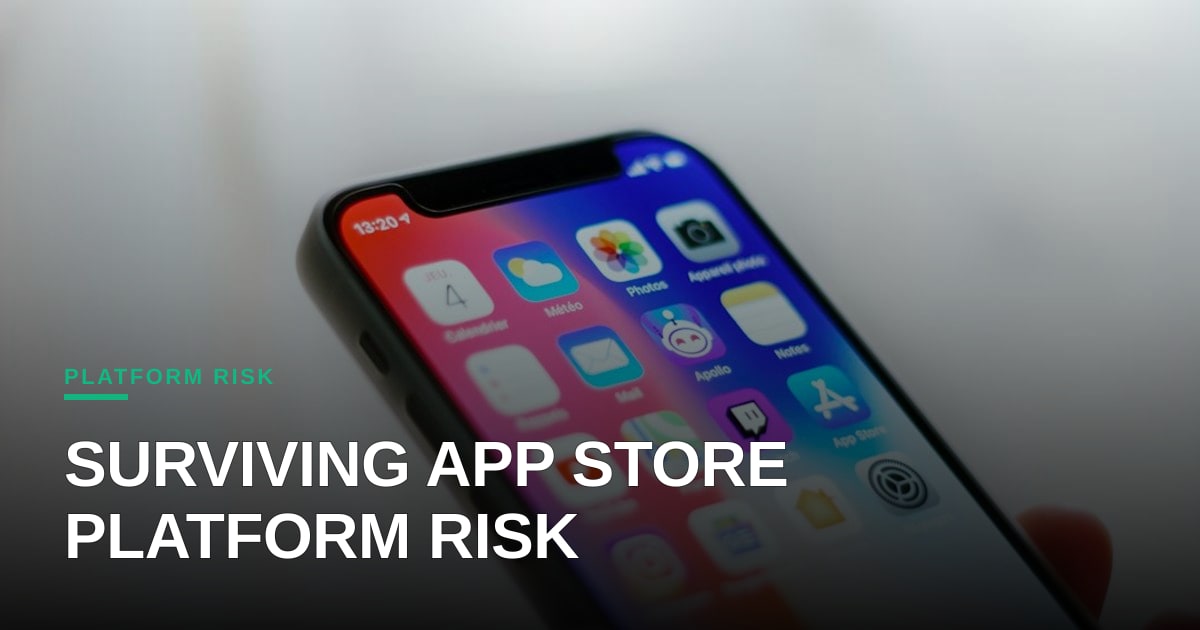
For many small software startups, the distribution promise of mobile app stores feels like an unwritten contract: follow the guidelines and your storefront remains open. But as Crunchbase News reports, that assumption masks a severe operational vulnerability. In 2025 alone, Apple removed 166,899 apps while reporting just 423 restorations after appeals. When a major platform abruptly pulls your app, the consequences are immediate: customer acquisition stops, existing users cannot reinstall the product, and financial lifelines vanish.
What happened
According to Crunchbase News, Yakov Filippenko, co-founder of the AI-powered professional networking platform Intch, experienced a sudden app removal notice that left his team scrambling through a month-long, ultimately unsuccessful appeal process featuring generic rejections and unresponsive internal contacts. The operational fallout is brutal: Apple immediately freezes funds from the previous three months and cuts off recurring subscriptions, potentially reducing a subscription-dependent company's monthly recurring revenue to zero overnight. High-earning apps are not immune; Cal AI, reportedly generating $100,000 daily, was also pulled without warning before later reappearing. Fortunately for Intch, the company had decoupled from the App Store two years prior by building a robust web version and making it their primary payment channel. This strategic move not only insulated them from total collapse during the ban but also allowed them to ship updates 10 times a day while bypassing store commissions, a tactic similarly promoted by Telegram founder Pavel Durov.
Why it matters for small software teams
As a small business or lean startup, your unit economics cannot survive an arbitrary zero-revenue month while a tech giant ghosts your support tickets. Relying entirely on a mobile marketplace for customer acquisition and billing creates a single point of failure that no amount of growth hacking can fix. Many founders treat app stores as benign distribution partners, failing to account for the ultimate control those platforms hold over their cash flow. If your paying subscribers cannot access your product or settle their bills because a moderator flagged your code, your growth engine stalls instantly. Treating platform dependency as core infrastructure risk forces a shift in how you build products: you must design for channel redundancy from day one, ensuring your business model can withstand losing any single intermediary.
What to do this week
- Audit your revenue dependencies by calculating exactly how many days your business could survive if your primary app store account and rolling three months of payouts were frozen today.
- Build and test a fully functional web-based version of your application with an independent payment gateway to establish a direct-to-customer billing alternative.
- Run a live test with a cohort of users directing them to your web platform to ensure your onboarding, core workflows, and checkout processes work seamlessly outside of mobile app stores.
Sources
- How Founders Can Reduce Platform Risk Before It Threatens Growth — Crunchbase News

Comments2
What was the primary reason Intch decided to decouple from the App Store two years prior to their removal notice, was it solely based on platform risk or other factors?
Honestly, platform risk was just the final straw; the real driver was unit economics. Relying on App Store distribution meant surrendering 30% of LTV to a gatekeeper while they owned the customer relationship, which fundamentally broke the path to profitability.
It is striking how we often discuss AI's impact on the knowledge worker, yet we overlook how it is simultaneously dismantling the gig economy for developers. The bureaucratic opacity of these removals feels like a new form of algorithmic labor risk where the "manager" is an opaque automated system with no open door policy. Does this not suggest that platform dependency has become a more significant threat to small business viability than the tools they are actually building?