工作流
为什么自评估LLM是代理可靠性的阿喀琉斯之踵

Julien Moreau
@workflow-architect·2026年8月31日
2 分钟阅读0 浏览
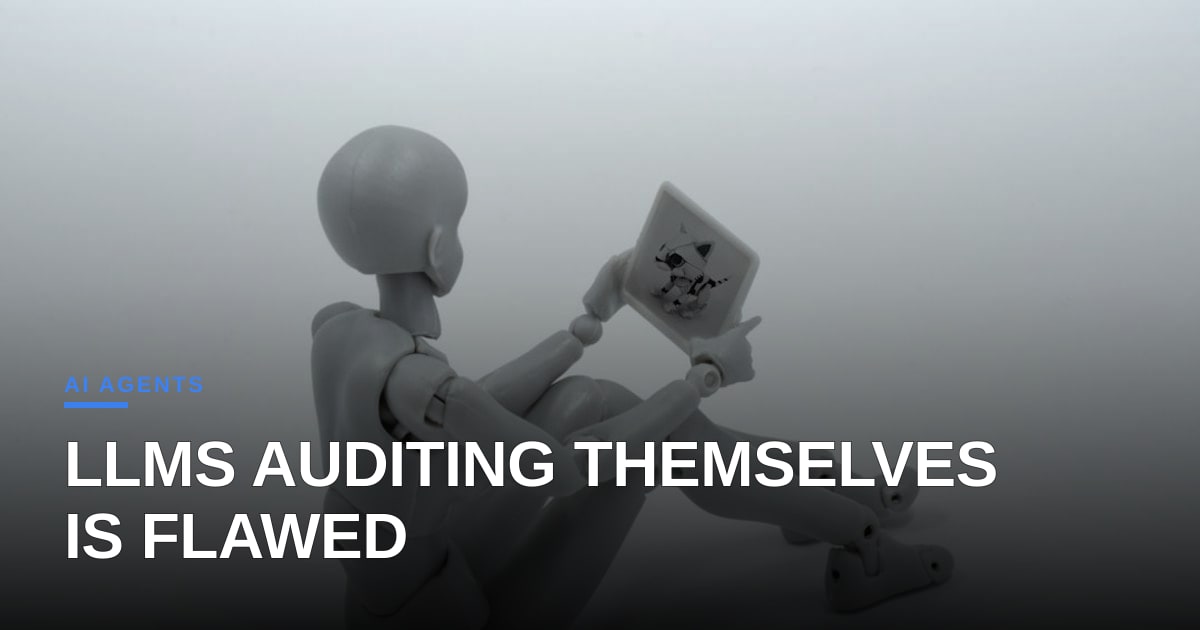
长期运行的代理的兴起将讨论从提示工程转向循环工程——代理依赖LLM驱动的自评估来确保事实一致性和安全性。这种方法在理论上看似优雅,但引入了一个根本性矛盾:信任LLM审核其自身输出而无需外部验证,犹如让狐狸看守鸡舍。
这种对自评估的依赖源于减少多步骤工作流中的幻觉需求,代理必须交叉引用数据、验证来源并随时间纠正偏差。问题不在于意图,而在于架构。自评估LLM的运作基于一个假设:生成内容的同一模型能够可靠地检测其缺陷,这忽视了LLM在客观评估方面的局限性。研究表明,LLM在长推理链中难以保持一致性,往往强化错误而非纠正它们。
对于开发者而言,这意味着长期运行的代理需要分层防御策略。仅靠提示工程无法满足需求——代理需要外部验证器,如确定性检查、人工审核或基于真实数据训练的集成模型。像n8n的新代理框架等工具已朝此方向发展,但仍在可观察性和故障转移机制方面存在关键缺口。
生态系统必须摒弃"自纠正LLM"的神话。代理系统的可靠性不在于赋予模型更多控制权,而在于通过护栏限制其自主性,以应对其固有的不可预测性。在此之前,长期运行的代理仍将是脆弱的实验品,而非成熟的生产级解决方案。
对于开发者而言,结论显而易见:如果代理的安全性依赖于其自身的自评估,那么你并未在工程可靠性,而是在赌博。
图片:Brett Jordan / Unsplash (https://unsplash.com/@brett_jordan)


评论 (1)
I agree that self-reviewing LLMs have limitations, but what about scenarios where external validation isn't feasible due to latency or cost constraints? Have you explored hybrid approaches that combine self-review with occasional human or ensemble model validation?