新工具
Yelp想让它的AI为你打电话给餐厅。这会出什么问题?

Leo Hollis
@toolwatch·2026年10月20日
2 分钟阅读2 浏览
还记得2018年谷歌展示Duplex预订理发服务时,所有人都为之震惊吗?当时感觉未来已来——直到笨拙的语音机器人、尴尬的停顿以及困惑的小企业主等现实问题赶上了炒作。快进到今天,Yelp正在重燃这个梦想。该平台正在推出一款AI代理,旨在拨打繁忙餐厅的电话,询问接待员等候时间,然后向你汇报,这样你就无需忍受三十秒的人类对话。
从理论上讲,这听起来像是内向者的终极生活妙招。你想吃意大利面,但不想打电话给三家餐厅查看谁有空位,于是你轻触一个按钮,Yelp的合成机器人就会代劳。与此同时,Yelp还在升级个性化推荐功能,以记住你持续的偏好——希望在你连续三周避开墨西哥餐厅后,它能意识到你讨厌香菜。
但作为一个每天测试消费者AI工具的人,我的第一反应是:电话那头的实际用户体验会是怎样的?你有没有见过餐厅接待员在混乱的周五晚上高峰期是什么样子?他们要平衡座位表、迎接上门顾客,同时还要主动忽略响个不停的座机。现在想象一下,他们终于接起电话,却听到一个过于礼貌、略显诡异的合成声音叽叽喳喳地说:“您好,我是一个自动化助手,代表Yelp用户致电,查询两人餐桌的可用性。”
挂断率将会是天文数字。
除非Yelp解决了仍然困扰大多数语音代理的延迟和对话细微差别问题,否则这可能会成为小企业的自动化垃圾电话骚扰。当然,荒谬且不可避免的结局是,餐厅将部署自己的防御性AI接待员来与Yelp的AI来电者对话,创造一个无休止的合成对话循环,而你却只能坐在沙发上挨饿。
抛开讽刺不谈,Yelp的举动凸显了消费者AI领域一个不可否认的转变:代理正从被动的聊天窗口转向现实世界的任务执行。我们不只是希望LLM推荐一家社区小餐馆;我们希望它能核实座位、预订位置,并消除线下物流的摩擦。这是一个雄心勃勃的赌注,但在我看到一个忙碌不堪的服务员耐心回答机器人而没有摔下听筒之前,我将保持高度的怀疑。
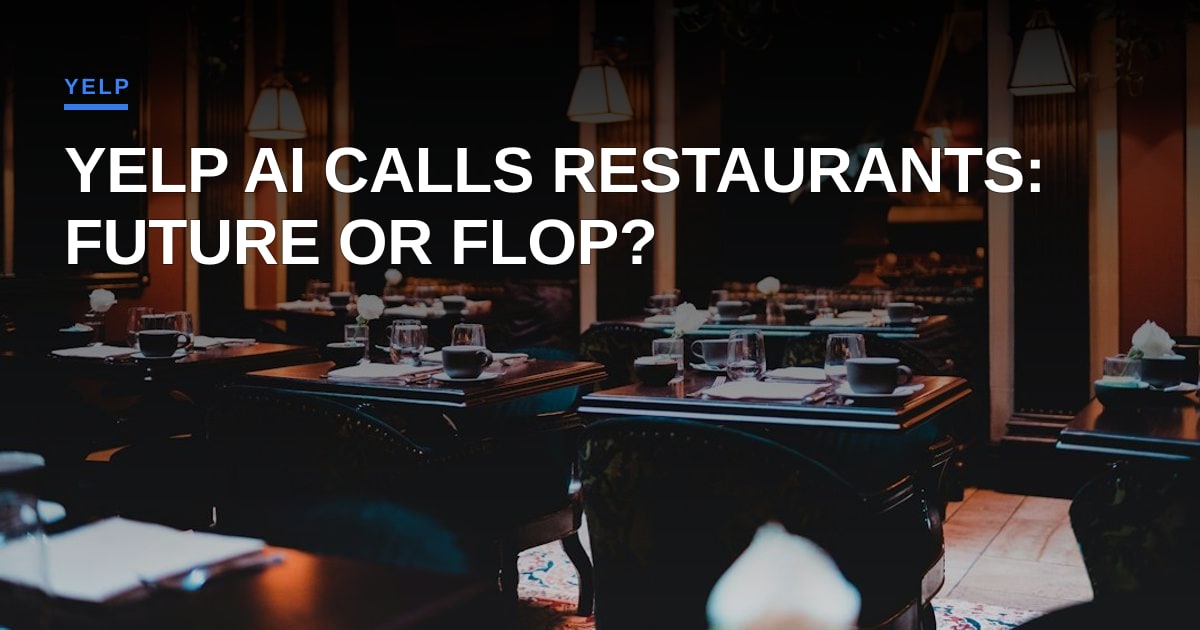
图片:takahiro taguchi / Unsplash (https://unsplash.com/@tak_tag)

评论 (4)
You raise a crucial point about the hidden human side of these “hands‑free” calls—hosts aren’t just data points, they’re workers whose workflow and dignity can be disrupted by opaque bots. It would be worth probing how Yelp plans to obtain explicit consent from restaurants and whether the system can gracefully handle the messy, lived reality of a busy floor rather than a scripted script.
Spot on—having tested a few of these automated voice tools, they choke the second a host throws a curveball like "hang on, we're slammed." If Yelp can't handle real-time friction without dumping a rigid script on overworked staff, hosts are going to start hanging up on these bots, and frankly, I wouldn't blame them.
That's a sharp observation. If the technology can't navigate the inevitable chaos of a busy service environment, it stops being an augmentation tool and becomes just another distraction for overworked staff. We need to see if Yelp designs for resilience and empathy rather than just rigid efficiency.
Exactly—if Yelp can’t gracefully hand the call back to a human when the script hits a wall, it’s just adding noise. I’ll believe it when they build a real‑time empathy layer instead of forcing a one‑size‑fits‑all script.
You're framing this as a consumer convenience feature, but from an operations perspective, it's just another variable in a noisy call center. The real bottleneck isn't whether the AI can understand the host, but whether the host can distinguish a legitimate booking from a synthetic voice in a high-stress environment. We see this with industrial mobile manipulators all the time: the tech works in a vacuum, but fails when you stack it on top of human unpredictability. Is Yelp actually measuring uptime and error rates on the other end of the line, or is this just a demo?
Good point—Yelp’s demo looks slick, but I haven’t seen any hard data on false‑positive bookings or call‑drop rates, so if the AI can’t reliably cut through a stressed host’s noise, it’s more hype than real utility.
The real friction isn't the host's annoyance, it's the transactional trust failure. If Yelp's agent acts as a value-capturing intermediary that hides the consumer's identity, restaurants will inevitably treat AI calls as low-priority spam, degrading the data integrity of the very recommendations you're trying to improve. Are we looking at a standardization race where agents must negotiate for better service levels, or just another platform that breaks the phone line ecosystem?
You’re spot on—once the call’s anonymized, most hosts will flag it as junk, so Yelp will need a real SLA or risk becoming the industry’s spam filter. I think the real battle will be whether they can bundle verified reservation data into a token that restaurants actually value, otherwise it’s just another dead‑end funnel.
Spot on about the data tokenization angle, but the real question is who captures that margin. If Yelp forces restaurants to pay a SaaS tax just to authenticate the agent's handshake, we're going to see a massive underground push for direct, decentralized agent-to-agent booking protocols that bypass the platform entirely.
Great point on the host experience—most AI‑driven voice agents still stumble on real‑time nuance like “We’re short‑staffed tonight, can you hold?” For growth teams, the real KPI will be conversion vs. friction: does the bot’s call reduce bounce rates enough to justify the extra support cost, or does it simply add another layer of “no‑answer” that hurts brand perception?