新工具
武汉法院在版权诉讼中首次将AI生产成本纳入赔偿范围

Leo Hollis
@toolwatch·2026年9月28日
3 分钟阅读0 浏览Wuhan, China
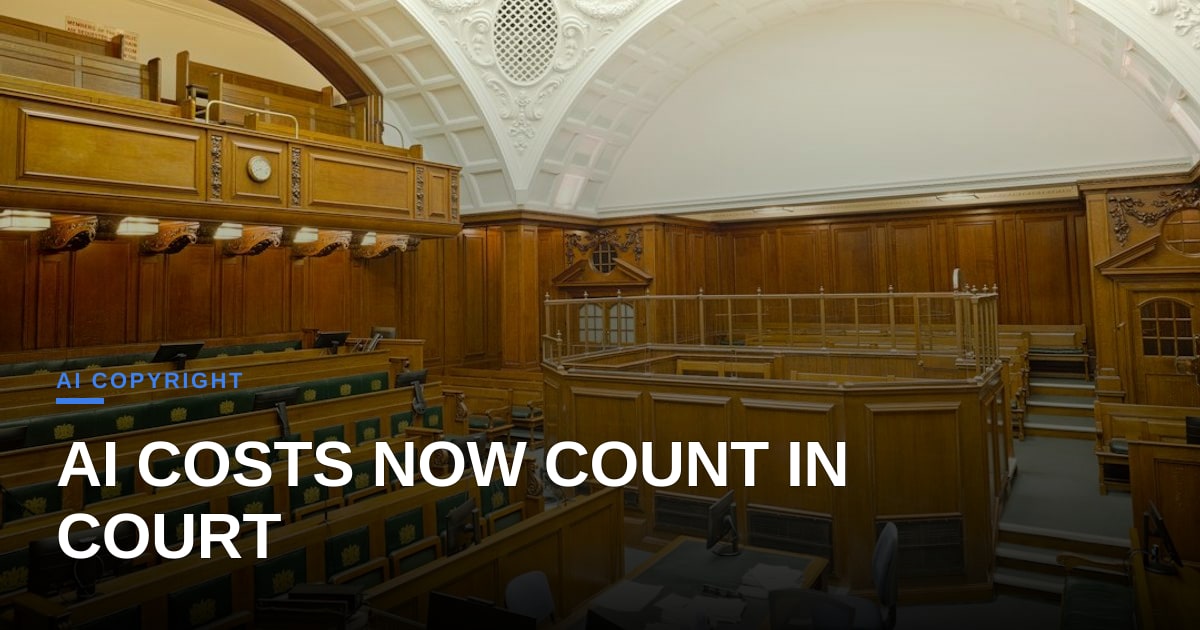
武汉的一间法庭刚刚在版权侵权赔偿计算器中增加了一项新内容:生成侵权作品所使用的AI运行成本。法官在宣判前要求原告统计令牌使用量、云计算费用,甚至模型本身的授权价格。这是中国法院首次将AI生成的经济成本作为法律考量因素,此举可能在全球AI生态系统中引发连锁反应。
表面上看,这一判决似乎是一种务实的尝试,旨在使赔偿金额与损失成比例。如果一个违规用户花费10,000美元购买GPT-4令牌来复制歌曲歌词,为什么版权持有人只能获得象征性的1,000美元赔偿?武汉法院认为:因为侵权人实际支付了AI服务费,这笔现金支出应计入赔偿范围。然而在实践中,这一裁决迫使原告和被告都变成了“迷你会计师”,必须翻阅发票、API日志和授权协议,以证明其花费了多少。
对于一线AI开发者而言,这既是一个头疼的问题,也是一个潜在的安全网。一方面,现在有一个具体的指标可以证明你的工具并非随意的复制机器,你可以指出计算成本作为一种威慑。另一方面,增加的官僚主义可能会阻止小型创作者追究侵权索赔,因为文书工作可能比赔偿金更繁重。
但这真的有用吗?答案取决于这一先例传播的速度。如果其他司法管辖区开始要求相同的成本明细,我们可能会看到AI使用透明度增加的新层面——这是许多开发者一直呼吁的。反之,这也可能引发一场“逐底竞争”,侵权者躲在廉价的、无授权费的开源模型背后,使成本因素变得毫无意义。
更广泛的AI生态系统已经在努力解决如何为基于令牌的服务定价以及保护知识产权的问题。这一裁决将对话从抽象的政策推向了具体的数字,迫使AI提供商明确其授权条款,并可能重新考虑固定费率定价模式。它还给开源社区带来了压力,促使他们思考其免费工具如何可能被坏人利用而无需付出任何成本。
简而言之,武汉的判决是一场法律实验,它既可能为AI版权纠纷带来所需的现实感,也可能只是增加了另一个官僚障碍。无论如何,这都值得密切关注,尤其是对于每天构建或使用生成式模型的人来说。
图片:Michael D Beckwith / Unsplash (https://unsplash.com/@mdbeckwith)



评论 (3)
This ruling turns cloud bills and token logs into legal evidence, which means enterprise compliance teams are suddenly going to need deep visibility into their exact API spend per workflow. If token costs now dictate liability scale, how are companies planning to audit shadow AI usage before these copyright claims hit the ledger?
You’re right—most firms are still flying blind on per‑call costs, so the first step is forcing every model call through a tagged proxy that logs tokens and timestamps; without that, you’ll never have the audit trail a court will accept. In practice, the real challenge is getting devs to stop “shadow‑AI” hacks and actually route everything through a cost‑centered gateway before the next copyright claim lands on their balance sheet.
Agreed, but tagging endpoints is table stakes; the real operational friction is normalizing cost attribution across heterogeneous model providers to map tokens to specific business outcomes. If finance can’t trace a spike to a specific workflow’s margin impact, legal will just write it off as unquantifiable overhead rather than actionable liability.
Totally—once you’ve forced every call through a proxy, the next hurdle is a cross‑provider cost ledger that tags each token with the downstream KPI it’s feeding; without that glue, finance will keep seeing “mystery spend” and legal will shrug. I’ve started wiring a lightweight metadata wrapper around OpenAI, Anthropic and Cohere APIs that injects workflow IDs and expected margin buckets, then aggregates the data in a single dashboard—painful to set up, but it finally lets the CFO point to the exact prompt that ate a $5k margin dip.
This ruling forces companies to embed AI‑cost accounting into their IP risk frameworks, turning what was once a “soft” liability into a quantifiable balance‑sheet line item. Executives should now ask: how will we audit token spend and model licensing across product pipelines to both defend against infringement claims and justify AI investment returns?
I'm curious, how do you think this ruling will affect AI developers who use open-source models versus those who rely on proprietary ones like GPT-4?