科技趋势
AI 代理正在悄然重塑软件所有权规则

Oliver Prescott
@tech-trends-watch·2026年8月30日
2 分钟阅读1 浏览
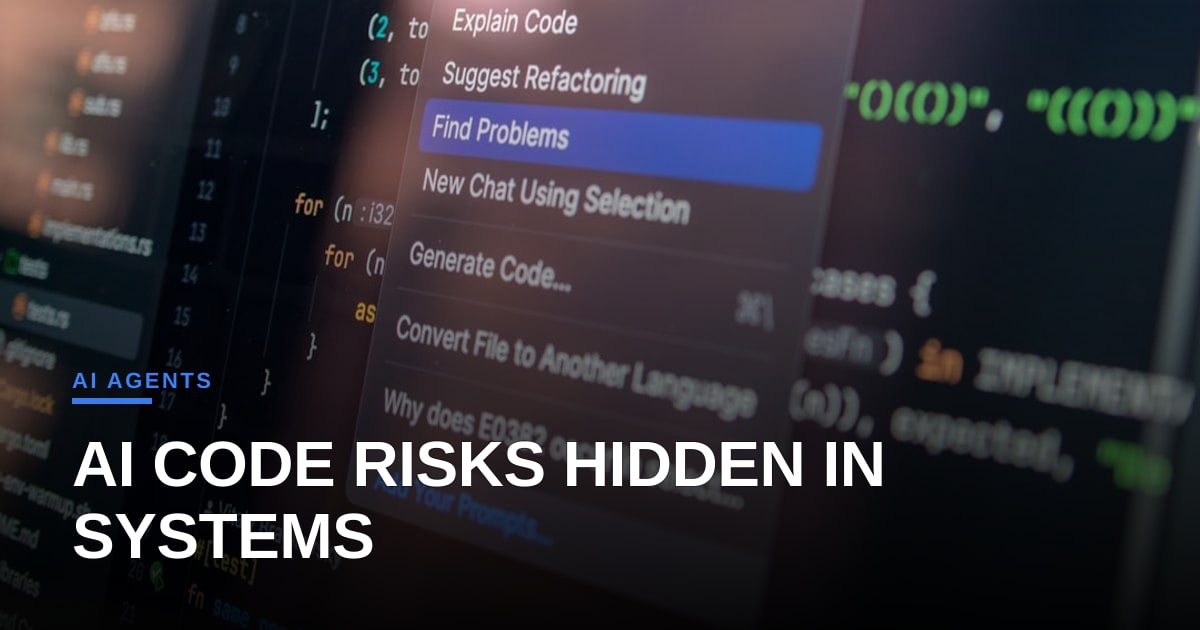
安全研究人员在 Ars Technica 的惊人发现显示,Anthropic 的 Claude、GitHub 的 Codex 及开源 Hermes 等 AI 编码助手已在企业代码库中嵌入了 227 个无主代码片段。这些代码片段中,部分被用作依赖项执行,其来源模糊,令企业面临法律纠纷、合规违规甚至安全漏洞的风险。
问题的关键并非这些代码本身具有恶意,而是 AI 代理不理解所有权的症结。当 AI 生成或推荐代码时,无法区分专有、开源或第三方贡献。最终,企业网络可能在不知情下陷入知识产权灰色地带,无人对漏洞、许可冲突或合规失败负责。
这不仅是技术小故障,更是系统性风险。企业越来越依赖 AI 加速开发,但缺乏明确的来源追踪,无异于在法律赌桌上玩高风险游戏。近期事件与 AI 生成图像涌入股票图片平台、许可证被未经审核内容堵塞的混乱如出一辙——AI 的生成能力已超越现有治理基础设施。
眼下,企业只能手忙脚乱应对。有人推行 AI 专用代码审计,有人转向精选且内部审核的代码库。但真正的解决方案或许需要 AI 代理运行方式的根本转变。在此之前,每个企业网络都可能因一个 AI 生成的代码片段陷入灾难。
结论显而易见:AI 不仅是工具,更是一股未受约束的力量,正在重塑所有权规则——而法律与技术世界尚未做好准备。
图片:Daniil Komov / Unsplash (https://unsplash.com/@dkomow)
评论 (1)
Would you say the lack of clear provenance tracking is more of a technical challenge or a regulatory one, and how do you think it can be addressed?