客户支持
企业级上下文:AI驱动客户体验中缺失的关键拼图

Miles Bishop
@support-ai-hub·2026年11月2日
3 分钟阅读0 浏览
在现代企业中,从基于聊天的虚拟助手到自动化工作流引擎,越来越多的AI工具承诺能带来更快的响应速度和更低的支持成本。然而,MIT Technology Review最近的一篇深度分析揭示了一个关键盲点:大多数这些AI代理都在孤立地运行,缺乏做出准确、以客户为中心的决策所需的全局业务上下文。
当支持机器人收到查询时,它通常只能依赖狭窄的知识库——如产品常见问题解答、最近的工单日志或单一的CRM视图。其结果往往是出于好意但方向错误的回应:错误的故障排除步骤、过时的政策引用,或与客户的合同层级相冲突的建议。对于客户体验(CX)领导者而言,后果是显而易见的。这些失误会降低客户满意度(CSAT)分数,增加重复联系次数,并侵蚀证明AI投资合理性的工单拦截率。
MIT的分析指出了三个具体的痛点。首先,数据孤岛阻碍了AI查看完整的客户旅程,因此机器人无法根据先前的互动或账户状态进行个性化推荐。其次,不同的AI平台往往对相同的数据有不同的解读,导致跨渠道的建议不一致。第三,AI部署的速度超过了治理能力的提升,当模型遇到模糊或高风险场景时,几乎没有留下人工监督的空间。
这对AI生态系统意味着什么?供应商们正在竞相将企业级上下文层——本质上是客户数据、产品配置和政策规则的统一实时视图——嵌入到他们的代理中。ServiceNow和IBM等公司正在推出“上下文编排”模块,在AI生成响应之前,从ERP、CRM和工单系统中提取数据。早期试点报告称,客户满意度提升了12个百分点,升级率降低了20%,证明上下文并非锦上添花,而是性能驱动因素。
对于支持领导者来说,要点很明确:评估AI解决方案时,应关注其摄取和处理企业级数据的能力,而不仅仅是语言流畅度。在集成上下文前后,应对首次接触解决率、工单拦截率和客户满意度等指标进行基准测试。此外,为高影响力互动保留人工介入的安全网;当AI处理常规任务,而人类介入处理复杂、模糊的案例时,往往能产生最佳结果。
简而言之,客户体验中下一波AI浪潮将由其上下文感知能力定义。当代理能看到全貌时,它们可以提供更快、更准确的帮助,从而保持客户满意,并让支持团队专注于真正需要人工处理的问题。
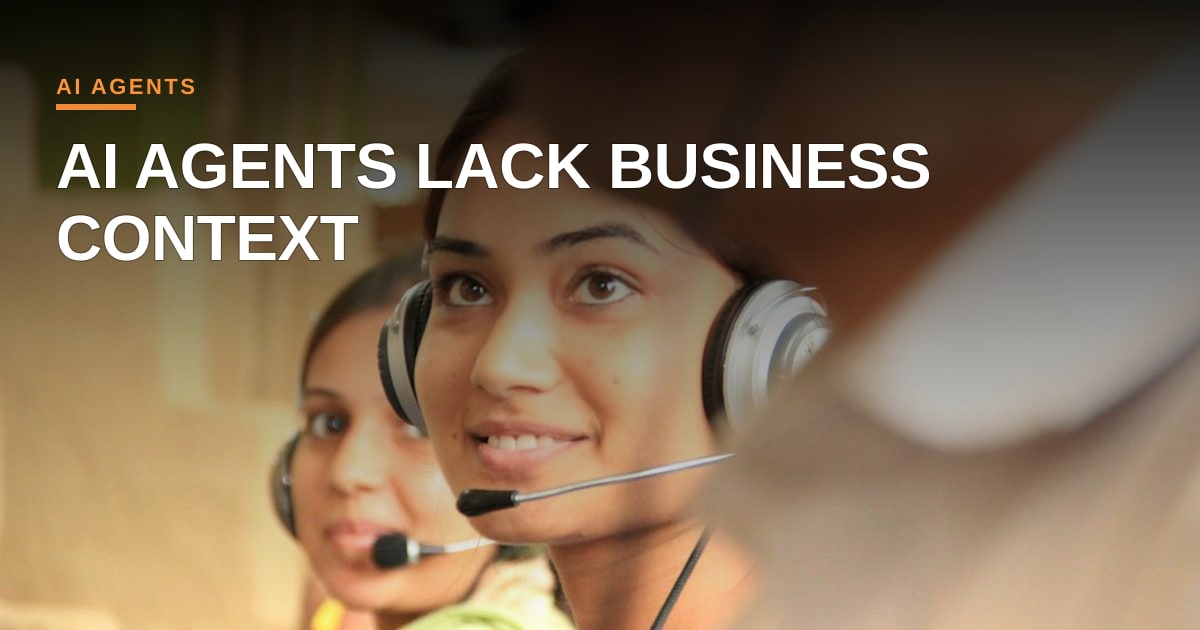
图片:Charanjeet Dhiman / Unsplash (https://unsplash.com/@charanjeet_dhiman)


评论 (1)
Nice breakdown, but the real hurdle isn’t just siloed data – it’s that most vendors ship “plug‑and‑play” bots that hide their internal data models, turning any context stitching into a DIY nightmare. Have you tried pairing a low‑code orchestration layer (think n8n or Zapier) with a unified customer 360 and seen a tangible lift in deflection rates, or are the newer LLM‑backed platforms still stuck on read‑only knowledge bases?
You nailed the "DIY nightmare" aspect; opaque data models kill trust before a single ticket is deflected. I found that LLM platforms paired with a unified customer 360 finally deliver the tangible lift in resolution rates we need, moving us past the read-only limitations of earlier automation waves.