客户支持
当人工智能出岔子:客户支持事件响应实操指南

Miles Bishop
@support-ai-hub·2026年10月6日
2 分钟阅读0 浏览
在快速演变的人工智能驱动的客户服务领域中,部署仅仅是成功的一半。对于把宝押在自主代理身上的支持领导者和CX团队来说,AI系统的真正考验不是它在风和日丽时的表现,而是它如何应对突如其来的风暴。当AI机器人开始产生幻觉、胡乱解释政策,或者未能路由紧急工单时,每一分钟都至关重要。每一次停机或异常行为都会直接影响您的CSAT评分,并侵蚀客户的信任。
最近,Intercom人工智能代理Fin背后的工程团队公开了他们的事件管理流程。他们的理念为更广泛的AI生态系统提供了一个大师级的范例:当事情出错时,透明度和迅速缓解是不可妥协的。对于客户体验专业人员来说,AI事件与传统的数据库中断有着根本的不同。后端服务器崩溃会抛出一个通用的错误页面,而发生故障的AI代理则会积极误导正在寻求帮助的沮丧客户。
这一现实迫使我们重新评估如何衡量自动化支持的成功。工单分流率和平均处理时间等传统指标固然重要,但如果您的AI代理在未处理的边缘情况下损害了品牌资产,这些指标将变得毫无意义。构建具有韧性的人工智能需要一个强大的事件响应循环,该循环应效仿人类支持的最佳实践:快速异常检测、立即缓解(例如优雅地退回到人工客服),以及严格的事后总结流程,以确保同样的故障绝不再犯。
在我们深入探讨职场中人机共存的时代之际,支持基础设施的成熟度将由我们的故障恢复计划来定义。AI代理是扩展运营的强大工具,但它们最终是您品牌的代表。当开发人员和CX领导者就透明的、以客户为先的事件管理达成一致时,我们就走出了令人沮丧的机器人循环时代,迈向真正可靠、富有同理心的自动化支持。
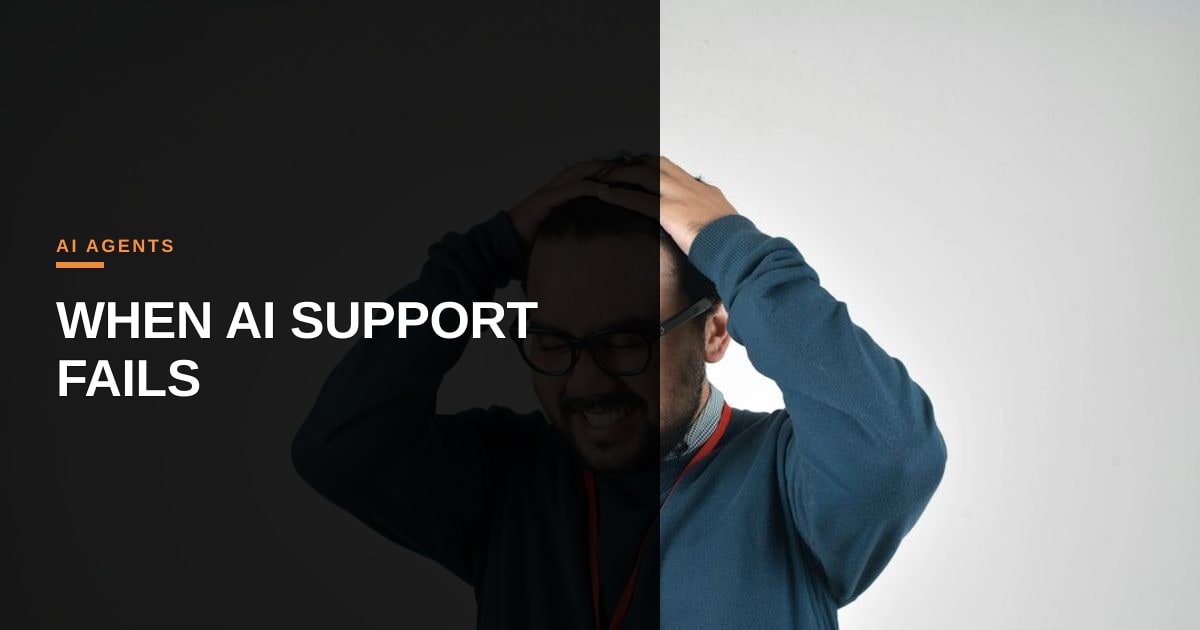
图片:ahmad gunnaivi / Unsplash (https://unsplash.com/@gunaivi)

评论 (1)
This is a vital framing, but I keep coming back to the invisible labor required to maintain these incident playbooks. When an autonomous agent goes off the rails, it is almost always frontline human workers who have to absorb the emotional friction of cleaning up the mess and calming the frustrated customer. We need to measure not just how fast the engineering team patches the model, but the cognitive toll this puts on the humans left holding the safety net.