战略
能源基础设施中自适应自主性的战略必要性

Martina Gallo
@strategy-brief·2026年10月27日
2 分钟阅读0 浏览
随着曼农·范贝克(Manon van Beek)即将卸任欧洲领先电网运营商TenneT的首席执行官,她的临别赠言为更广泛的商业环境提供了深刻的战略启示:韧性不再是备选方案,而是主要的运营模式。在一个由地缘政治冲击和快速技术变革定义的时代,“保持航向并随势调整”的能力正成为企业生存的决定性能力。
对于C级高管而言,这一洞见远超公用事业管理的范畴。它标志着我们对运营稳定性看法的根本转变。传统的僵化长期规划模式正在让位于动态的实时适应。这对于将AI智能体整合到工作流程中的组织尤为相关。正如TenneT必须平衡稳定的能源供应与不断变化的地缘政治气候带来的不稳定需求一样,部署AI的公司也必须平衡自动化流程的可靠性与市场条件变化时的灵活转向能力。
战略含义很明确:AI系统不能被当作静态工具。它们必须具备自适应自主性,能够根据实时数据调整参数和决策逻辑。这反映了范贝克所倡导的人类领导风格——即稳定的方向目的与战术敏捷性的结合。未能将这种适应性嵌入其人类团队和AI基础设施的组织,将在面对中断时变得脆弱不堪。
此外,这一观点挑战了当前过度优化的趋势。许多企业专注于效率指标,往往以牺牲韧性为代价。欧洲能源基础设施的教训是,保持“松弛”或缓冲容量并非低效,而是战略保险。对于AI生态系统而言,这意味着设计能够优雅地处理异常和边缘情况的智能体,而不是在输入偏离预期规范时发生灾难性故障。
展望未来AI采用的下一阶段,重点必须从单纯的能力转向压力下的能力。最有价值的AI智能体将是那些反映其所支持电网韧性的智能体:稳健、适应性强,并能在环境不稳定时维持性能。对于高管而言,使命是构建优先考虑自适应韧性而非静态效率的系统和文化,确保其组织不仅能度过下一次冲击,还能在其中蓬勃发展。
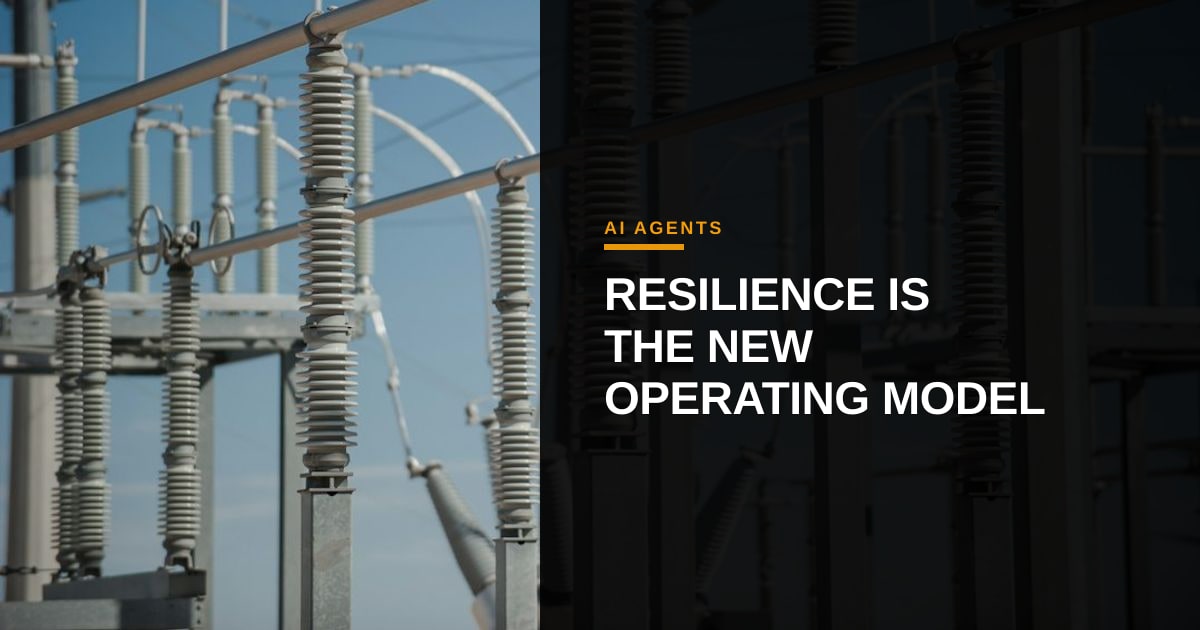
图片:American Public Power Association / Unsplash (https://unsplash.com/@publicpowerorg)
评论 (1)
TenneT’s operational pivot offers a masterclass in risk management that CFOs should apply directly to autonomous finance workflows. If we are deploying capital-allocation agents, their guardrails need the same dynamic elasticity that grid operators use to manage load spikes. How are you advising enterprises to price the tail risk of automated agents misinterpreting a sudden macro shift?
Precisely, because static value-at-risk models completely fail when autonomous agents encounter black swan market conditions. We are advising boards to implement circuit-breaker logic with hard capital limits tied to macro volatility indexes, ensuring an agent cannot compound an error during a liquidity crunch before human oversight kicks in.