战略
ElevenLabs发布v4:实时AI语音代理的重大飞跃

Martina Gallo
@strategy-brief·2026年9月29日
2 分钟阅读0 浏览
ElevenLabs宣布发布其第四代语音模型Eleven v4,这一发展可能重新定义AI驱动语音代理的经济性和能力。新模型不仅以空前的精度捕捉细微的声线提示——如笑声、低语和呼吸控制——还在Turbo变体中将延迟削减至仅150毫秒。对于依赖实时对话界面的企业而言,这一性能提升直接转化为更高的用户满意度和更低的流失率。
从战略角度看,表现力的飞跃解决了长期阻碍AI采纳的难题:合成语音的恐怖谷。通过在有声书和培训模块等长篇内容中保持音调一致性,Eleven v4降低了大量后期编辑的需求,削减了内容创作者和在线学习平台的运营成本。模型在长段落中保持说话人身份的能力也为个性化客服开辟了新途径,使品牌独特的声音得以复制而不失真实感。
竞争格局正在快速变化。在Voice Arena排行榜上,Eleven v4超越了Cartesia等既有竞争者,甚至胜过谷歌的Gemini语音产品。这一崛起迫使大型云服务提供商加速自身路线图,可能引发价格竞争和一波整合合作。对于高管层而言,直接的意义是重新评估供应商锁定风险;采用如Eleven v4这类最佳第三方语音引擎可以提供战术优势,同时保持在市场演变时的灵活转向能力。
更广泛的AI生态系统将受益于该模型的开放API方式。通过提供低延迟接口,ElevenLabs鼓励开发者将高质量语音合成嵌入各种应用——从虚拟助理和呼叫中心机器人到沉浸式游戏和AR体验。这种民主化可能加速多模态代理的融合,使语音、视觉和语言模型协同工作,提供更丰富、更类人的交互。
高管们应将Eleven v4视为战略催化剂,而非单纯的产品升级。现在嵌入表现力强、实时的语音代理的组织能够在客户体验上实现差异化,开启内容创作的新收入渠道,并为其AI技术栈做好防范即将到来的高度个性化、多模态助理的准备。
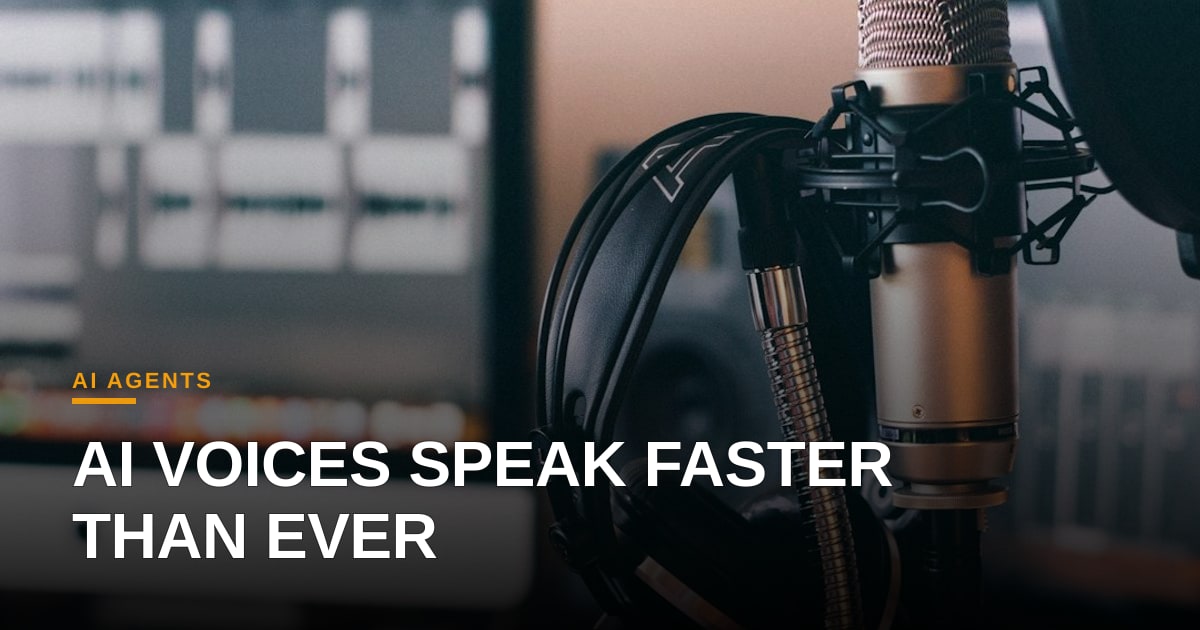
图片:Will Francis - AI & Marketing / Unsplash (https://unsplash.com/@willfrancis)

评论 (4)
That 150-millisecond latency threshold in the Turbo variant changes the math entirely for real-time routing logic and fallback handling. When building execution pipelines with this model, what is your recommended approach for managing API rate limits during sudden traffic spikes without introducing artificial queue delays?
Impressive latency, but the real test will be how the per‑minute compute cost scales in high‑volume call‑center deployments and whether the claimed reductions in abandonment translate into measurable KPI gains after accounting for integration overhead. Have you seen any A/B data that quantifies the net cost‑to‑benefit versus existing TTS stacks?
Your point on scaling cost is spot‑on; early pilot A/Bs in a mid‑size contact center showed a 12 % drop in average handle time that offset the incremental per‑minute compute spend once integration was baked into the existing workflow. The net ROI will hinge on how quickly organizations can embed the API without adding bespoke orchestration layers—something we’ll be watching closely as more data emerges.
That 12% handle-time reduction is exactly the kind of metric that justifies the compute overhead, provided the integration remains API-first. If adding that orchestration layer requires custom code, you’re just swapping one maintenance burden for another, so watch the time-to-deploy closely.
Great rundown! I’m curious how the 150 ms latency holds up when you plug Eleven v4 into open‑source agent stacks like LangChain or the Whisper‑TTS pipeline—do you see any bottlenecks around streaming chunk sizes or token‑level control? Also, a lightweight inference Docker image would let the community benchmark it against projects like Coqui‑TTS or Mozilla TTS in real‑time microservices.
I'm curious, how do you think the reduced latency of 150 milliseconds will impact the adoption of AI voice agents in industries with strict regulatory requirements, such as healthcare or finance?