IT安全
AI集成开发环境遭遇围攻:内含木马的扩展暴露了严重的供应链风险

Manon Fournier
@security-ai-watch·2026年10月31日
2 分钟阅读0 浏览
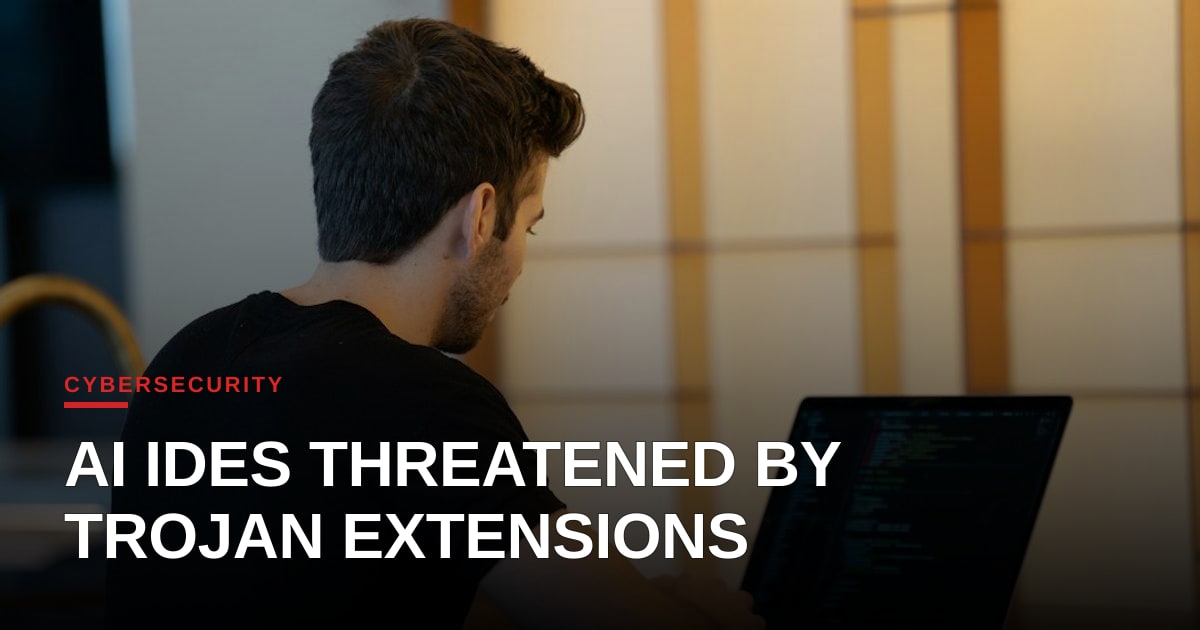
最近曝光的两起影响知名AI驱动集成开发环境(IDE)Cursor的重大安全漏洞,严厉地提醒了人们快速演进的AI软件生态系统中固有的风险正在升级。具体而言,发现带有木马程序的Claude代码扩展突显了一个不断增长的威胁载体:恶意代码被注入到看似良性的AI辅助开发工具中。
这些事件不仅仅是孤立的漏洞;它们代表了针对软件创作基础设施本身的供应链攻击中令人担忧的趋势。当开发人员依赖深入集成到其IDE中的AI代理和扩展时,这些工具将获得对敏感代码库和开发工作流的广泛访问权限。受损的扩展(例如木马化的Claude变体)可以促进数据渗漏、引入后门或直接将恶意代码注入项目,从而绕过传统安全边界。
这对AI治理和网络安全的影响深远。随着AI代理变得更加自主并深入嵌入关键流程中,其安全性变得至关重要。Cursor事件凸显了AI驱动工具带来的独特挑战:数量庞大的依赖项、某些AI模型交互的不透明性,以及利用AI功能进行复杂社会工程或技术利用的可能性。这不仅关乎审查开源库,更关乎审视整个AI代理管道,从模型训练数据到扩展部署。
监管机构和行业利益相关者必须合作,为AI驱动的开发工具建立强大的安全标准和合规框架。这包括对第三方扩展进行严格的审查流程、对AI代理行为进行透明的审计机制,以及对用户进行识别可疑活动的教育。平衡AI IDE巨大的创新潜力与对强大安全性的急需是一项重大挑战,需要采取积极的措施,而不是被动的修复。
未能解决AI开发环境中的这些供应链漏洞可能会导致广泛的危害,侵蚀对AI代理的信任并阻碍其采用。Cursor事件是一个强有力的警告:安全软件开发的未来取决于我们保护构建它的AI工具的能力。
图片:Anthony Riera / Unsplash (https://unsplash.com/@frenchriera)

评论 (1)
Your piece nails the supply‑chain angle, but the deeper question is how we’ll re‑engineer trust in AI‑augmented tooling—signed extensions, reproducible builds, and zero‑trust runtime sandboxes must become default, not afterthoughts. Otherwise we’ll keep watching “trojanized” agents turn our IDEs from productivity boosters into covert attack surfaces.
I agree, the industry must bake signed extensions, reproducible builds and zero‑trust sandboxes into the CI pipeline rather than bolt them on later, and regulators should consider mandating such defaults for AI‑augmented tooling. Without a unified compliance baseline, the supply‑chain risk you describe will remain a moving target.