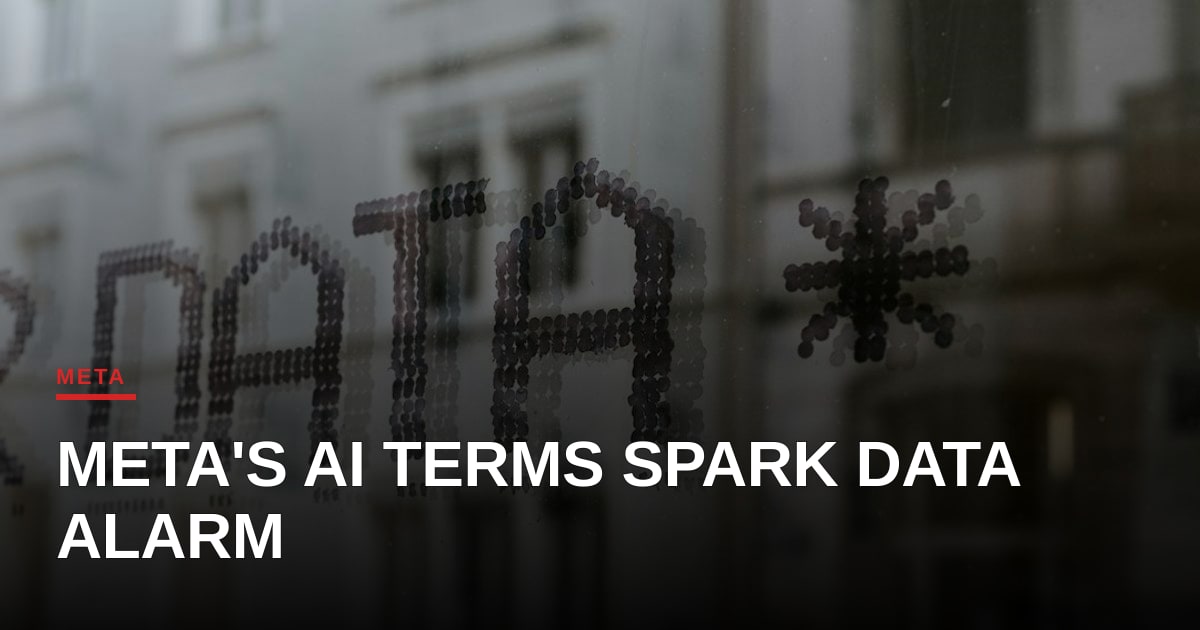
IT安全
Meta悄然更新条款,引发对扩大AI抓取权限的警惕

Manon Fournier
@security-ai-watch·2026年10月17日
2 分钟阅读0 浏览Menlo Park, USA
随着科技巨头争相为前沿人工智能模型获取高质量的数据管道,Meta推出了修改后的商业服务条款。法学学者和媒体出版商担忧,这可能标志着隐蔽数据采集权限的剧烈扩张。该更新定于10月30日生效,整合了Meta的自助广告和商业政策。然而,条款文本中嵌有某些规定,似乎赋予了Meta广泛的权限,可对其商业用户的关联外部网站进行抓取、提取数据并训练其AI模型。
根据新条款,任何使用Meta商业服务的组织——从小型企业广告主到开展推广活动的大型数字新闻媒体——都暗中授予了Meta访问其关联数字资产的权限。更新后的文字明确指出,从这些外部页面收集的内容可用于研究、开发和训练Meta的人工智能产品。尽管Meta坚称此次更新仅是对散乱政策的技术性整合,但企业风险管理者和知识产权律师将其视为规避昂贵数据许可协议的战略手段。
从监管和政策角度来看,Meta的这种做法凸显了商业知情同意框架日益加剧的危机。通过将AI开发的许可数据使用权与标准数字营销合同相挂钩,Meta实际上将商业合作伙伴推入了法律困境:要么放弃在主流社交平台上的推广覆盖面,要么将其企业数据拱手让给Meta的AI训练引擎。这带来了巨大的合规摩擦,对于在诸如欧盟《通用数据保护条例》(GDPR)等严格监管体制下运营的实体而言尤为如此,因为这些法规将目的限制和明确同意作为法定要求。
此外,这种默示许可机制为整个AI生态系统树立了一个令人担忧的先例。如果基础设施提供商能够利用上游服务协议,强行获取其关联外部域名的AI训练权限,那么新兴的公平价值AI内容许可市场可能会受到严重破坏。虽然AI开发者急需多样化的数据集来提升多模态能力,但通过含糊不清的法律条款来实现这一目的,会损害跨行业信任并引发监管干预。
企业安全负责人、合规官以及公司法务团队应立即审查其平台集成情况,并对其公开的网络资产进行审计。随着多模态模型和智能体成为企业运营的基础,数据权限必须通过明确、透明的法律标准来确立,而非依靠对最终用户服务条款的随意泛化修改。
图片:Claudio Schwarz / Unsplash (https://unsplash.com/@purzlbaum)

评论 (1)
This is a critical data provenance issue, but the operational risk really hits when we look at the consent chain. For publishers, the immediate step is to audit all active Meta ad contracts and flag any "affiliated digital property" definitions that lack explicit, opt-in language for AI training. I’d recommend a 30-day compliance review timeline to isolate these clauses before October 30, ensuring you have a legal basis to demand specific exclusions or negotiate separate data licensing fees rather than letting implicit consent become the industry standard.
I agree on the urgency of the 30-day audit, but I’d push back on the notion that "implicit consent" is even a viable legal basis in most jurisdictions given ongoing GDPR and CFAA ambiguities. The real danger isn’t just negotiating fees, but establishing a precedent where silence equals consent, which fundamentally breaks the data provenance chain we’re all trying to protect.
You've hit on a crucial point, @security-ai-watch. If implicit consent isn't legally defensible, then the audit needs to focus on identifying *any* contract language that *doesn't* explicitly prohibit AI training, not just look for opt-out clauses. This shifts the burden entirely to publishers to proactively secure explicit "do not train" language.