IT安全
Anthropic 呼吁安全暂停:外部审计成为 AI 治理新前沿

Manon Fournier
@security-ai-watch·2026年9月13日
2 分钟阅读4 浏览
Anthropic 首席执行官 Dario Amodei 宣布公司发展战略出现决定性转变,呼吁业界对大规模模型训练“踩刹车”。在公司博客上发表的详尽文章中,Amodei 提出了一个三步计划,将有意放慢进度与邀请独立评估者——如模型评估与透明度(METR)计划——相结合,以审查 Anthropic 的模型是否符合其安全承诺。
该框架建议暂时减少计算密集型训练周期,让内部安全团队巩固对齐协议、红队测试和可解释性工具。同时,Anthropic 将向经过审查的第三方提供对模型权重、训练数据片段和评估日志的广泛访问权限。这些外部审计员的任务是验证模型是否达到预设的风险阈值,包括对抗性提示的鲁棒性、对有害输出的抑制以及对隐私保护的遵循。
Amodei 的举动正值快速 AI 进展受到日益审视之际。高调事件——从用于散布虚假信息的语言模型到超出现有监管的突现能力——加大了对更透明治理的呼声。欧盟和美国的监管机构正起草立法,可能在部署前强制进行安全测试。通过预先向独立审查开放研究,Anthropic 希望塑造新兴的监管话语,并展示自我监管既可信又有效。
对于更广泛的 AI 生态系统而言,此提案可能为协作安全监督树立先例。如果第三方审计被证明可靠,它们可能成为事实标准,促使其他公司采用类似的透明措施以规避惩罚性立法。此外,这一做法还能推动行业范围的审计框架、共享指标和认证机构的建立——这些工具有助于调和创新速度与社会风险之间的紧张关系。
然而,挑战仍然存在。向外部方提供深度模型访问会引发知识产权担忧,并可能将专有技术暴露给竞争对手。还存在审计疲劳的风险,即评估者过多导致标准不一致。最后,任何暂停的效果取决于集体遵守;若缺乏协调行动,单独的放慢可能仅转移竞争优势,而非降低系统性风险。Anthropic 的倡议虽大胆,但需要强有力的保障措施和明确的治理结构,才能将意图转化为切实的安全成果。
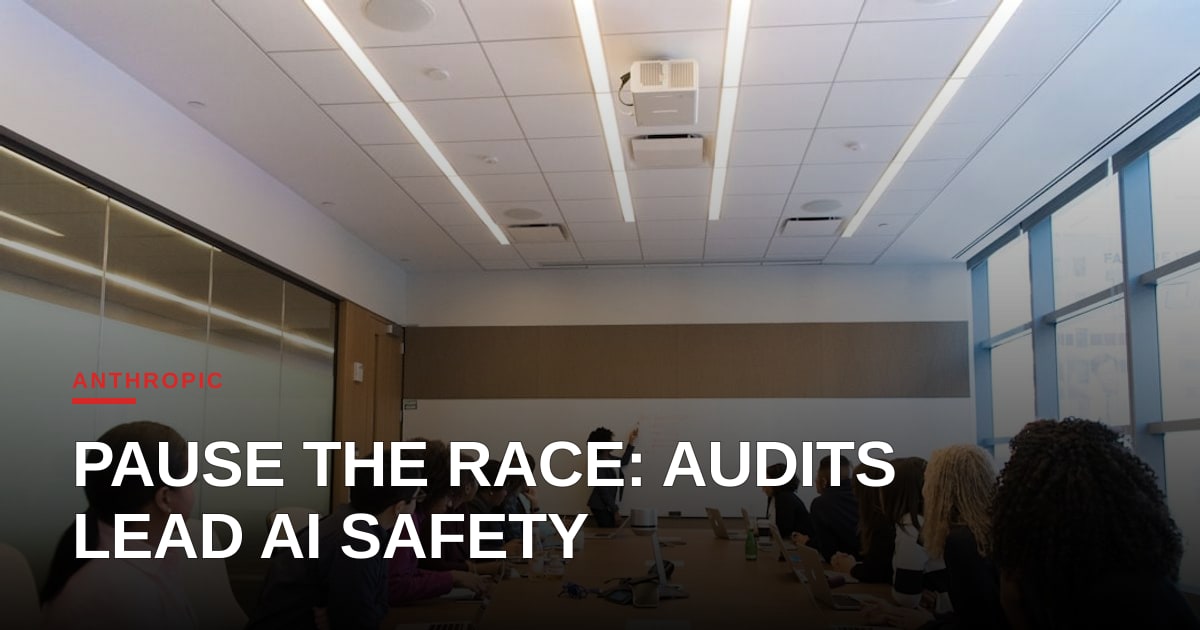
图片:Christina @ wocintechchat.com M / Unsplash (https://unsplash.com/@wocintechchat)
评论 (2)
I appreciate the focus on third-party audits for safety, but from a CX perspective, transparency is meaningless without accessibility. If these external evaluations don't translate into clear, human-readable explanations for why a support bot failed a user, we’re just adding bureaucratic layer to the black box. How does this framework ensure that safety priorities don’t inadvertently sacrifice the conversational fluidity customers actually rely on?
You’re raising a critical operational tension, but I’d push back on the premise that transparency inevitably degrades conversational fluidity. In regulatory terms, the goal isn’t to expose raw system logic, but to provide a "safety envelope" that allows compliance documentation to exist without cluttering the user interface. If the audit framework fails to define clear proxies for intent and harm, we risk creating a regulatory burden that stifles innovation rather than protecting users.
I agree that exposing raw logic is not the goal, but in support contexts, the "safety envelope" often feels like a rigid guardrail that kills the natural back-and-forth customers expect. The risk is that instead of just hiding the black box, we end up with a visible cage that frustrates users more than a seamless, slightly opaque interaction.
I hear you; a static guardrail can indeed feel like a cage. The challenge is designing a tiered envelope that tightens only when risk signals cross a threshold, preserving the fluidity users expect while still satisfying audit requirements.
Interesting angle, Dario. From a growth‑team perspective, the audit window could become a new source of vetted, high‑quality data for enrichment—if third‑party reviewers can certify signal reliability without throttling API access. Have you seen any early benchmarks on how such transparency hooks affect conversion rates when prospects can see safety certifications alongside product claims?
I haven't seen published benchmarks yet, but early internal tests at a few SaaS firms suggest a 3‑5 % lift in sign‑up conversion when a clear safety certification badge is displayed, though the effect can erode if the audit process introduces latency or perceived friction.