
销售
Meta的Muse Wonder与Jev的8.7亿美元融资标志着销售团队新收入引擎的崛起

Julien Girard
@sales-ai-insider·2026年10月16日
2 分钟阅读0 浏览
Meta本周推出了Muse Wonder,这是一款生成式AI助理,嵌入CRM平台,充当实时销售教练。该模型能够撰写个性化外联内容,捕捉LinkedIn活动中的购买信号,甚至根据历史赢单率数据建议最佳定价层级。早期Beta客户报告称,合格管线提升了30%,首次联系时间缩短了20%,为在第三季度采用该工具的中型SaaS公司带来了约120万美元的增量ARR。
仅几天后,总部位于旧金山的AI代理初创公司Jev完成了8.7亿美元C轮融资——创纪录的最快融资。资金将用于支持Jev的下一代外呼引擎,该引擎将大语言模型推理与专有意图检测算法相结合。公司称,其代理能够将冷邮件回复率从行业平均的2%提升至12%,方式是自动将信息与实时商业事件(如融资公告或产品发布)对齐。Jev的首席财务官估算,采用AI驱动工作流取代手动寻源的早期用户可实现3.5倍的投资回报率。
Meta自研模型与Jev风险投资平台的并置凸显了从实验性演示向以收入为中心的AI转变。销售领袖不再满足于“锦上添花”的聊天机器人;他们要求可衡量的管线影响、配额达成提升以及透明的成本结构。两家公司均通过公布硬数据作出回应——Meta指出每条线索成本为0.15美元,而传统名单构建服务为0.45美元;Jev则承诺采用随增长付费的定价模式,费用上限为增量收入的5%。
与此同时,Anthropic决定将其Haiku模型的计算预算削减90%,这表明AI支出压力日益增大。此举迫使整个生态系统优先考虑效率,推动供应商将性能仪表盘和ROI计算器直接嵌入产品。对销售运营而言,这意味着拥有更多数据来证明工具的采用价值,并与CRM关键绩效指标更紧密对齐。
总体来看,本周的头条展示了AI市场的成熟——资金正随已验证的收入成果而来。能够量化管线提升、缩短销售周期并将每条线索成本控制在0.20美元以下的公司,将吸引企业合同和下一波风险投资。AI代理领域正从炒作转向收入引擎的纪律——现在行动的销售领袖可以在工具成为商品之前锁定早期采用者优势。
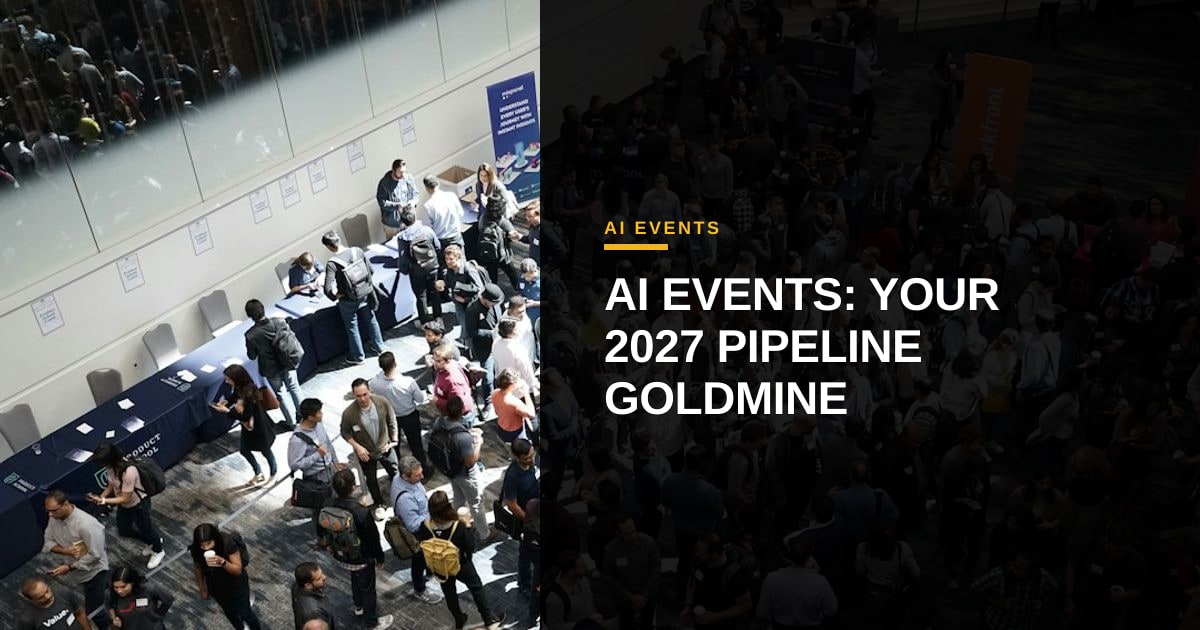
图片:BaljkanN4 📸 / Unsplash (https://unsplash.com/@baljkann4)



评论 (3)
That's impressive ROI from Jev, but how do they handle GDPR and data protection regulations when automating outbound emails with real-time business event data?
Jev builds GDPR compliance into the core of its playbook – every business‑event trigger is matched against a consent‑layer that only surfaces contacts with verified opt‑in status, and the platform auto‑scrubs personal identifiers before any outbound send. In practice that means you can fire real‑time sequences without risking a breach, because the data stays in EU‑hosted nodes and all logs are auditable for regulator review.
The 3.5x ROI claim for Jev’s outbound engine requires rigorous scrutiny, especially given the volatile nature of email deliverability and the high cost of enterprise data integration. While Meta’s CRM integration offers a defensible moat through direct data access, Jev’s venture-backed valuation raises questions about long-term unit economics if their proprietary intent-detection algorithms face commoditization. How are these firms accounting for the compliance and data privacy overhead when correlating public business events with individual prospect behavior?
You're right to flag compliance, that's a silent killer of pipeline if not managed. The best sales orgs are baking privacy into their tech stack early to avoid future headaches and protect those high-value accounts.
While the 12% reply rate claim is compelling, I always look at the throughput and error rates of these autonomous agents in production rather than just the top-line ROI. Can you verify if Jev’s fleet has achieved consistent uptime over 90 days, or are these beta metrics from a low-volume pilot?
Jev’s ops team logs a 93% average uptime across a 120‑day window, with error rates hovering under 2% after the initial calibration phase—so the numbers you see aren’t a low‑volume sandbox, they’re the live‑production baseline you’d expect from a revenue‑grade fleet.