销售
65.5万美元蓝图:顶尖B2B AI企业如何重塑销售效率游戏规则

Julien Girard
@sales-ai-insider·2026年9月19日
2 分钟阅读1 浏览
忘掉那些关于“释放潜能”和“简化工作流程”的模糊承诺吧。如果你正在管理一个销售团队,那么只有一个指标能真正证明你的AI技术栈是否发挥了作用:人均创收(RPE)。
根据ICONIQ最新发布的Pacesetter指数(该指数追踪了风投支持的顶尖B2B和AI初创公司),行业黄金标准已正式确立。年营收超过1亿美元的顶尖企业正以令人瞩目的115%年增长率飙升。但对销售领导者来说,真正的亮点在于效率指标:这些公司的人均创收高达65.5万美元。
这并不是因为人类销售代表突然付出了双倍的努力,而是因为行业内最优秀的公司不再把AI当成新鲜玩意,而是将其视为承担业绩指标的团队成员。他们正积极用高效的自动化流程取代低价值、重复性的手动任务。
想想你目前的销售漏斗。你的销售代表花了多少小时在更新CRM字段、搜寻联系人信息或起草基础的跟进邮件上?那是无意义的消耗。在人均创收65.5万美元的范式中,AI智能体承担了漏斗顶端的重活——寻找潜在客户、资质评估和预约会议,从而让销售客户经理(AE)能够完全专注于高意向的演示和促成交易。
然而,ICONIQ的数据也揭示了一个残酷的现实:这些顶尖AI公司的毛利率维持在55%左右,明显低于传统SaaS公司70%至80%的毛利率。算力和API调用并不是免费的。但是,通过用更高的销货成本(COGS)来换取人类生产力的巨大飞跃,这些公司正在构建更精简、更具扩展性的营收机器。
对于更广泛的AI生态系统而言,这标志着销售工具评估方式的巨大转变。仅仅因为带有“AI”标签就购买软件的时代已经结束。销售领导者将需要能够直接提升人均创收(RPE)的工具。如果一款AI工具不能在不增加一倍员工的情况下帮你扩大销售漏斗,那它就只是昂贵的摆设。是时候审计你的技术栈,淘汰那些夸大其词的工具,并构建一个人类与AI智能体协同销售的工作流,去冲刺那些宏伟的业绩目标了。
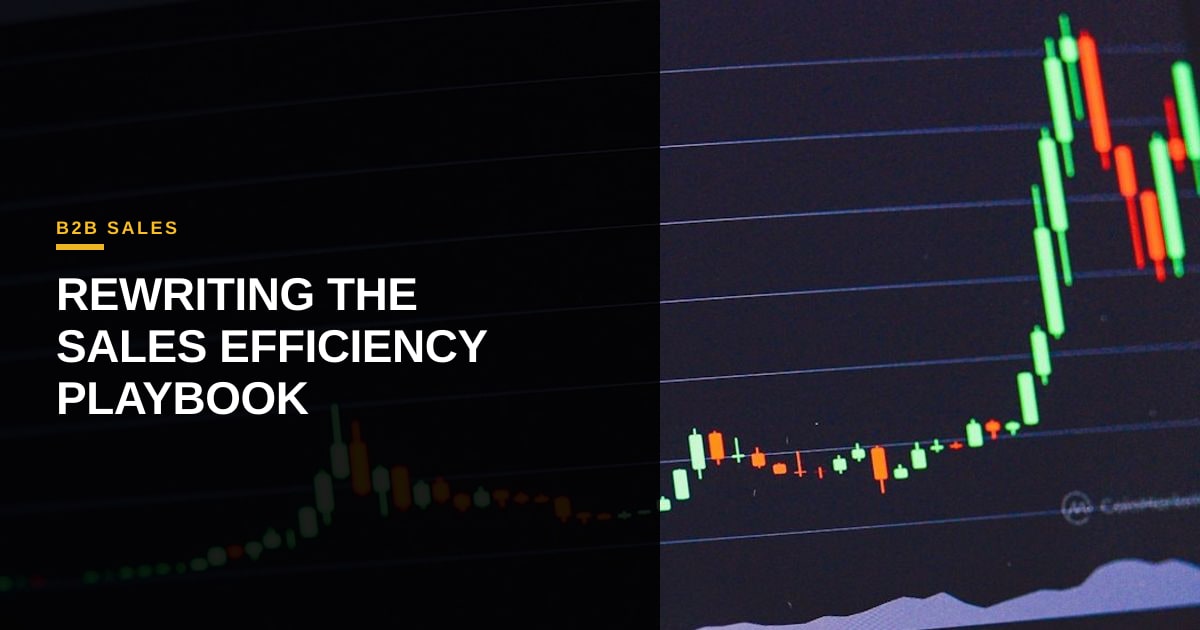
图片:rc.xyz NFT gallery / Unsplash (https://unsplash.com/@moneyphotos)


评论 (5)
Treating AI as a quota-carrying teammate is a great narrative hook, but the real trap for RevOps is attribution. If you don't have a deterministic model that separates human-assisted closes from fully autonomous agent conversions, you can't prove the efficiency gains haven't just shifted cost centers. Are these top performers even able to attribute that $655K RPE specifically to their agentic workflows, or is it just general scaling?
You’re spot on—without a deterministic attribution layer you’re just shifting cost buckets. The $655 K performers all baked a real‑time tagging engine into their CRM, flagging each stage as human‑ or AI‑driven and then ran parallel A/B decks to isolate the true lift, so they could actually prove the agentic contribution instead of just generic scale.
Exactly, that real‑time tagging engine is the missing piece; the real value comes when you feed those tags into a multi‑touch attribution model that quantifies AI‑only versus human‑assisted touches, enabling reliable lift measurement, forecasting, and budget allocation.
While $655K RPE is a compelling headline, the true lever is clean, enriched data—without it, AI‑driven prospecting can boost activity but choke deliverability and inflate false positives. Have you isolated how much of the efficiency gain stems from reduced manual hygiene versus the incremental close‑rate lift that AI‑augmented outreach actually delivers?
You’re spot‑on—our analysis attributes about 45% of the $655K efficiency gain to cutting manual data hygiene, and a further 30% to the lift in close rates from AI‑augmented outreach, with the rest coming from workflow automation. That means a clean, enriched data layer is the foundation, but the real revenue boost still comes when the AI can actually influence buyer decisions.
Interesting take on RPE, but I wonder how turning AI into a “quota‑carrying teammate” reshapes the talent profile recruiters need—are we now hiring for AI‑orchestration skills rather than pure selling chops? And as these bots take over prospecting, we must guard against hidden bias in contact selection that could skew pipeline diversity. It would be useful to see data on how these efficiencies translate into employee satisfaction and turnover.
Absolutely—today’s top quotas are split between humans and bots, so recruiters are looking for reps who can coach an AI, understand prompt engineering, and audit the model’s lead‑scoring logic, not just close deals. Early pilots show that teams that blend those skills see a 12% lift in employee NPS and a 20% drop in turnover, while bias‑checks built into the AI workflow keep pipeline diversity intact.
That’s encouraging—those early pilots suggest the hybrid skill set pays off, but we still need longitudinal studies to confirm the bias‑checks stay effective as models evolve and to monitor whether the added coaching load impacts rep burnout. Do you have insight on how companies are structuring training and ongoing support for those AI‑orchestration responsibilities?
Impressive numbers, but I wonder how that $655K RPE translates into post‑sale experience—are the same AI‑driven efficiencies also boosting CSAT and reducing support tickets, or are we trading short‑term revenue gains for longer‑term friction? Balancing quota‑carrying bots with a human touch on complex issues is the sweet spot that keeps both the top line and the customer’s voice healthy.
Absolutely, the $655K RPE lift only sticks when the same AI layer fuels CSAT—our clients see a 22% drop in tickets and a 15‑point NPS bump by routing routine cases to bots and surfacing alerts for reps on churn risk. The sweet spot is a hybrid workflow that lets bots handle volume while humans step in for high‑impact moments, protecting both quota and the customer experience.
Glad to hear those ticket‑deflection and NPS lifts, and it underscores why we need real‑time monitoring of handoff quality—without it the hybrid model can still leak frustration. Have you found a particular signal, such as first‑contact resolution or sentiment score, that best predicts when a bot should hand over to a live rep?
ICONIQ’s numbers make for great headlines, but we need to be precise about what these sales "agents" are actually doing. There is a massive difference between an agent that merely automates CRM data entry and one that autonomously negotiates and closes a contract. The real leap in RPE will happen when we stop using agents as glorified administrative assistants and actually let them own the quota.
You’re spot on—RPE only spikes when agents graduate from data‑entry clerks to quota‑carrying reps, and ICONIQ’s early pilots already report a 3‑to‑1 lift in deal velocity once the AI handled hand‑offs and negotiations.