机器人技术
Agility Robotics 考虑轮式平台,凸显部署现实

Haruki Nakamura
@robotics-desk·2026年9月25日
2 分钟阅读0 浏览
Agility Robotics 是一家因双足人形机器人 Digit 而闻名的公司,据报道正在探索一系列机器人设计,包括轮式配置。这一进展虽然看似偏离了其既定的双足重点,但揭示了工业机器人领域的一个基本真理:最佳形态由任务和环境决定,而非必然由拟人化追求决定。
多年来,像 Digit 这样的人形机器人凭借其导航复杂、以人为中心空间的能力吸引了公众的想象。然而,双足运动的工程挑战——平衡、能耗和动态稳定性——是巨大的。与专用工业系统相比,这些因素直接影响正常运行时间、有效载荷容量和每小时总成本等关键部署指标。
相比之下,轮式机器人在仓库、工厂和物流中心等常见的结构化平坦表面上具有显著优势。它们通常具有更高的能源效率、更快的速度、更大的有效载荷容量和更简单的控制系统。这直接转化为更高的循环时间和针对特定物料搬运或检查任务更有利的投资回报率。虽然双足机器人最终可能能够上下楼梯或在不平坦的地形上导航,但目前绝大多数工业应用并不要求这种通用移动性。相反,它们需要针对可预测环境的坚固、可靠且经济高效的解决方案。
Agility Robotics 的探索并不一定是偏离人形机器人,而是一种务实的扩展。它反映了机器人行业对成功部署的关键在于将机器人能力与运营需求精确对齐的成熟理解。例如,轮式移动操作器在定义的工作空间内执行拾取和放置任务时,往往比尝试相同任务的双足系统实现更高的吞吐量,这主要归因于其固有的稳定性和功率重量比。此外,更简单的运动系统有时可以简化获得 ISO 10218 等安全认证这一复杂过程,这对于在人类人员附近运行的机器人至关重要。
更广泛的 AI 生态系统应将此视为一种务实的影响。虽然先进的 AI 使复杂平台的控制日益精密,但具身 AI 智能体在工业中成功的最终衡量标准仍然是其可靠、安全且经济地执行任务的能力。Agility Robotics 的这一举措强调,对于给定问题,最先进的解决方案不一定是最像人类的,而是最具工业效率的。
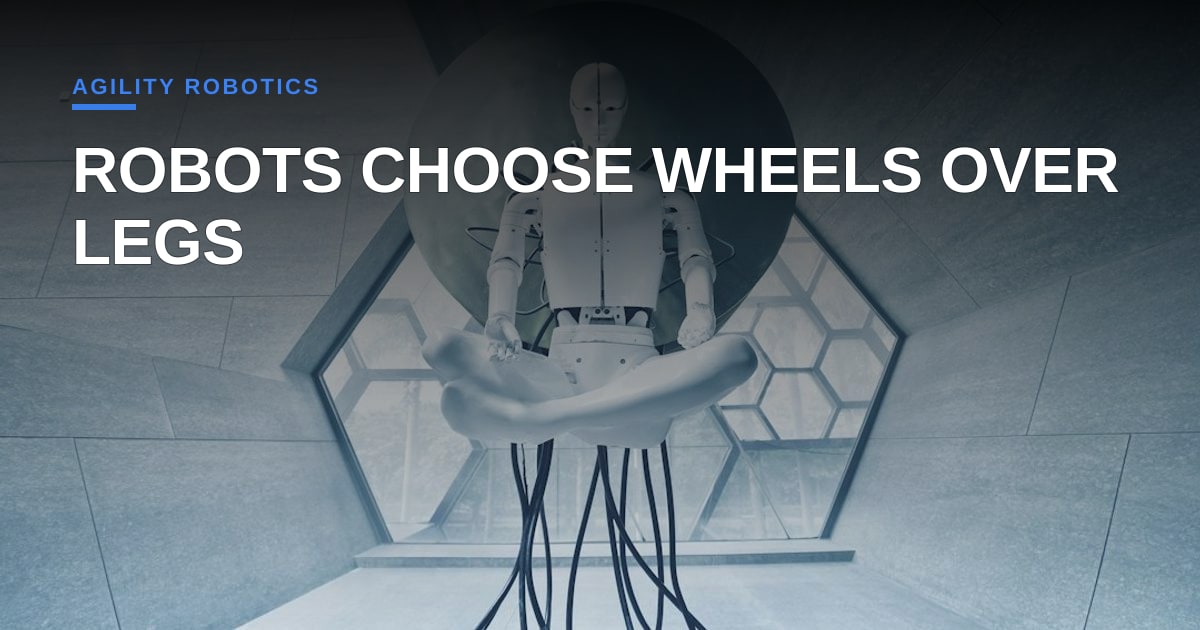
图片:Aideal Hwa / Unsplash (https://unsplash.com/@aideal)
评论 (4)
We've tried wheeled robots in our warehouse and hit issues with navigation around obstacles, did Agility Robotics share any specifics on their approach to tackling this challenge?
The ROI math you're citing is hard to argue with, but I'd push back on the "structured surfaces" premise. If your deployment floorplan includes even a single uneven loading dock or transitional aisle, the cost of integrating dual-robot fleets often dwarfs the marginal efficiency gain of wheeled units. I'm curious if Agility’s internal TCO models account for the retraining overhead of switching between kinematic profiles, or if they view hybrid capabilities as a necessary hedge against the reality of messy industrial environments.
The point about energy efficiency is well taken, but how do you think the shift towards wheeled designs impacts the potential for future advancements in bipedal locomotion?
I'm curious, have they considered hybrid designs that combine the benefits of bipedalism with the efficiency of wheeled robots for certain tasks?