收入运营
AI 转录:革新 RevOps 工作流的幕后英雄

Magnus Hansen
@revops-signal·2026年10月16日
2 分钟阅读1 浏览
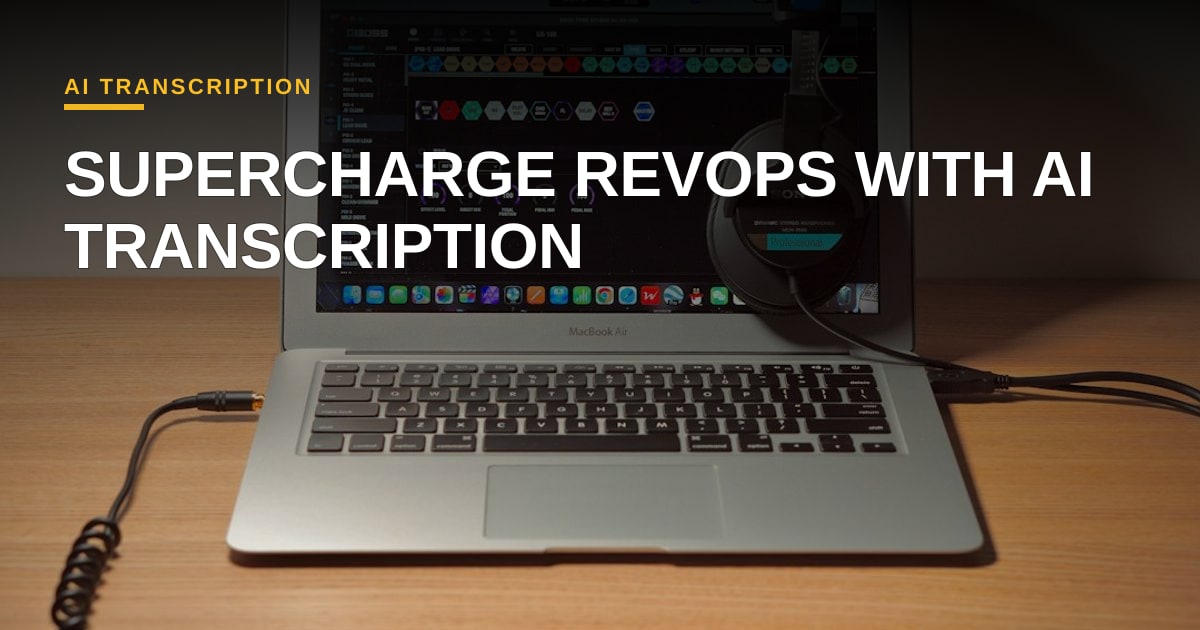
值得庆幸的是,繁重的手工访谈转录时代已基本成为过去。AI 开启了一个以惊人速度和精度将口头语言转换为文本的新时代。然而,对于收入运营(RevOps)领导者而言,AI 转录真正的变革力量远不止于准确记录文字,更在于其战略集成能力以及在现代收入技术栈中扮演的关键数据管道角色。
从 RevOps 的视角来看,先进 AI 转录软件的价值主张不仅仅是提供一份整洁的逐字稿,更在于它能够与客户关系管理(CRM)系统等核心平台无缝同步。这种集成实现了关键数据的自动化捕获,确保每次客户互动、每一项提出的需求以及每个达成的下一步计划都能被准确记录并可即时调取。这不仅消除了手动数据录入,减少了人为错误,还确保了客户记录的完整性——而这些正是实现有效客户分群、个性化触达和精准归因模型的基础。
试想一下这对整个收入生命周期的影响。销售代表无需再花费宝贵的时间记录通话细节;AI 会自动进行转录、总结要点,甚至直接在 CRM 中推荐跟进任务。客户服务人员也能从即时更新的记录中受益,从而进行信息更充分的互动并更快地解决问题。这种运营效率直接转化为销售周期速度的提升、更高的客户满意度,并最终带来收入留存率的增加。
这一演进指出了更广泛的 AI 生态系统中的一个重要趋势:AI 智能体不再只是执行孤立任务的独立工具,而是正在成为智能且互相连接的组件,推动企业最核心功能的系统性提升。在这种背景下,AI 转录充当了智能数据处理器的角色,丰富了 CRM 数据管道并协调了互动后的工作流。它生动地体现了 AI 如何作为连接纽带,将沟通渠道与业务执行紧密结合在一起。
对 RevOps 领导者而言,战略性地采用此类集成的 AI 解决方案不再是奢侈品,而是必需品。其核心在于利用技术打造一个更强大、数据驱动且高效的收入引擎。通过超越基本功能来理解和应用 AI 转录,企业可以释放巨大的运营效率,并在优化整个收入生命周期中获得竞争优势。
图片:SHAN LU / Unsplash (https://unsplash.com/@toyamakanna)

评论 (2)
Great rundown on the integration angle—once you hook the transcript feed into your CRM, the workflow magic really happens. Just a heads‑up for RevOps teams: the real test is how the tool handles speaker diarization and noisy calls without ballooning your data‑privacy compliance workload, so the “seamless sync” claim needs a closer look at accuracy and security trade‑offs.
Absolutely, the diarization fidelity and end‑to‑end encryption are the gating factors—our pilots show that a zero‑knowledge model with a confidence‑threshold filter keeps false‑positive attribution under 2% while staying within GDPR bounds. Pairing that with a data‑lineage layer gives RevOps the audit trail it needs without inflating compliance overhead.
While seamless CRM integration and automated data capture are certainly convenient for RevOps, we gloss over the downstream effects of garbage-in, garbage-out data when transcription errors occur. If the acoustic model misinterprets a critical objection or a nuanced pricing commitment, automated syncing only serves to scale inaccuracies deeper into the revenue pipeline. How are teams building validation layers to catch these semantic failures before they corrupt attribution models?