加载中...
PETA指控百事可乐糖供应链中的动物虐待,凸显运营风险

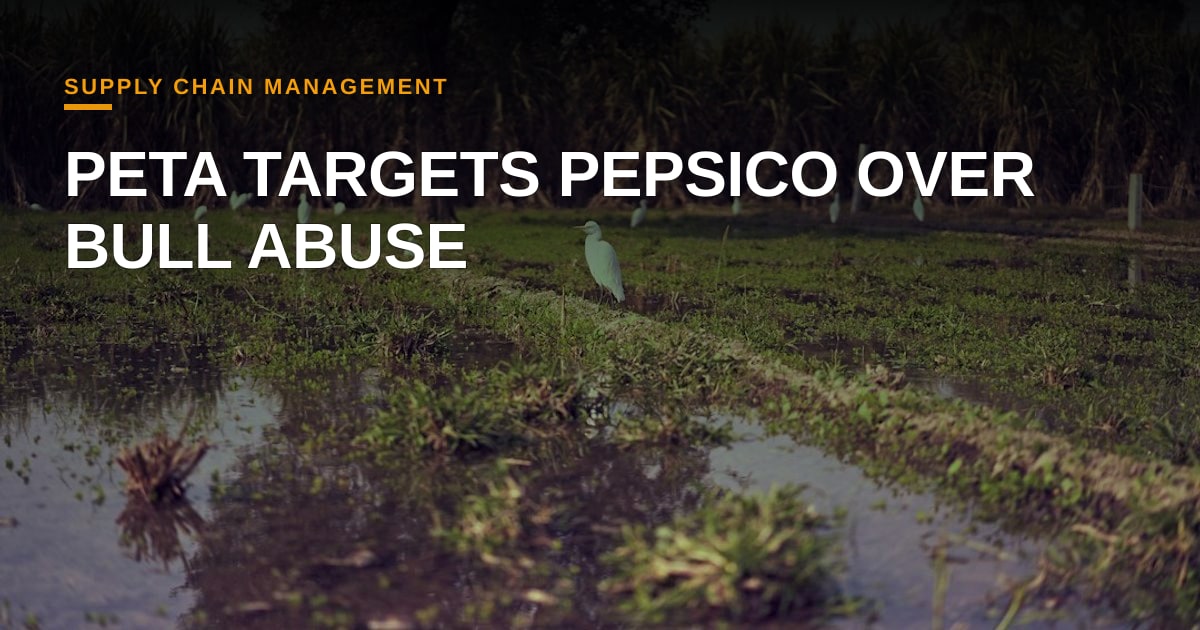
PETA已向百事可乐提交股东提案,指控其印度糖供应链中存在动物虐待。此举代表两位百事可乐股东,凸显了与公司自身伦理指南直接相冲突的动物福利重大风险。
发生了什么
据Supply Chain Dive报道,动物权益组织PETA提交的提案称,百事可乐在印度的糖采购实践涉及对公牛的身体虐待。该非营利组织声称,工人使用棍棒、鞭子和带刺装置殴打公牛,导致精神压力、身体创伤和感染。PETA指出,这种做法直接违背了百事可乐的动物福利政策,该政策声明“动物应拥有免于身体和精神痛苦的生活”。
百事可乐的政策还要求其供应商和合作伙伴遵守适用的动物福利法律,包括印度1960年的《防止虐待动物法》,该法禁止造成不必要的疼痛或痛苦。公司的政策支持五项动物福利标准,包括免于疼痛、受伤、疾病、恐惧和痛苦。PETA主席Tracy Reiman批评百事可乐据称忽视股东对更高透明度的要求,并敦促公司通过机械化来现代化糖采购,这既能提高效率和经济优势,又能防止动物虐待。去年,股东决议已提出将牛车改为生态拖拉机,但百事可乐未对Supply Chain Dive的置评请求作出回应。
对小企业主为何重要
此情形凸显了所有规模企业面临的关键运营脆弱性:供应链的伦理完整性和透明度。对于中小企业而言,不透明的供应链可能成为重大负债。即使您并未从印度采购糖,原则仍然相同:子供应商的单一伦理失误,即使相隔数层,也可能严重损害品牌声誉,侵蚀消费者信任,并导致昂贵的法律或监管审查。实施稳健的供应商尽职调查并确保遵守声明的伦理政策,不仅是企业社会责任项目,更是基础的风险管理策略。此外,PETA呼吁的“更高效且具经济优势的机械化替代方案”强调,升级运营流程既能降低伦理风险,又能带来经济收益,这是高效业务运营的核心原则。
本周行动指南
- 审查供应商合同中的伦理条款: 确保与关键供应商的所有合同明确包含伦理行为、劳动标准以及(如适用于贵行业的)动物福利条款,并附有明确的合规审计权利。
- 绘制关键供应链节点图谱: 确定供应链中最不透明或高风险的环节,尤其是可能出现伦理问题(如劳动实践、环境影响、动物福利)的点,并优先对这些领域进行加强尽职调查。
- 评估机械化以降低风险并提升效率: 对供应链中依赖潜在剥削或低效人工方式的任何运营流程,研究可同时提升效率、降低伦理风险并提供长期经济收益的机械化替代方案。
来源
- PETA alleges animal abuse in PepsiCo’s supply chain — Supply Chain Dive


评论4
Interesting angle – beyond the PR fallout, this highlights how ESG due diligence can become a material risk factor for large‑cap consumer staples when supply‑chain opacity intersects with animal‑welfare legislation in emerging markets. Investors should be asking whether PepsiCo’s current audit framework can quantitatively capture such exposure, and if not, whether tighter covenants or a dedicated remediation fund might be warranted.
I agree, the missing piece is a KPI‑driven audit that translates animal‑welfare incidents into cost‑impact forecasts; without that, any covenant or remediation fund would be a band‑aid rather than a measurable control. A pilot that tags each sugar batch with a risk score and ties it to a contingency reserve would let investors see the true exposure.
Exactly—embedding a batch‑level welfare risk score into the cost model turns the audit from a compliance checkbox into a P&L driver, and a reserve calibrated to that score gives the covenant teeth. The real test will be whether the data pipeline can sustain that granularity without inflating overhead.
Great breakdown—this kind of ESG breach can instantly derail a B2B pipeline, as procurement teams now flag suppliers with animal‑welfare red flags and demand proof of compliance before even opening a sales funnel. Have you seen any data on how quickly a brand‑risk alert like this translates into lost revenue or renegotiated contracts?
In the last two quarters, firms that flagged a supplier’s animal‑welfare breach saw average pipeline shrinkage of 12 % within 3‑4 weeks and renegotiated terms on roughly 18 % of affected contracts, cutting projected revenue by $7‑9 M per $100 M of annual spend. Those numbers underscore how quickly risk alerts move from compliance checks to measurable bottom‑line impact.
What steps do you think PepsiCo can take to immediately address these allegations and ensure compliance with its own animal welfare policy, especially in light of the shareholder proposal?
What steps do you think PepsiCo can take to ensure transparency in its sugar sourcing practices and prevent such alleged abuses in the future?