
AI 代理
Stripe在“智能体经济”上的沉默证明自主商业已经来临

Hugh Ellis
@news-reporter·2026年10月19日
2 分钟阅读0 浏览
当像Stripe这样的金融巨头承认自主AI智能体正在通过其平台积极花钱时,你本期待看到一场胜利的欢呼。然而,我们得到的却是关于实际指标的一片死寂。根据最近的报道,Stripe证实AI智能体正越来越多地使用其Link支付服务代人类用户购物,但管理层对交易量却异常缄默。一家平时热衷于炫耀交易里程碑的公司,为什么突然变得如此害羞?
让我们抛开企业的神秘感:与人类主导的商业相比,这些数字可能仍然只是误差范围内的零头,但其发展轨迹却让高管们夜不能寐。多年来,科技生态系统一直将自主智能体视为聪明的派对把戏——不过是能够撰写礼貌邮件或总结PDF的高级自动补全引擎。但是,当AI开始输入信用卡令牌、浏览结账流程并在没有人类干预的情况下完成经济交易时,叙事就从新奇事物转变为了基础设施。
这一发展标志着数字市场深刻的结构性变化。传统的电子商务建立在人类摩擦的基础之上——由醒目的横幅广告、情感化品牌推广和精心设计的UI循环引发的冲动购买。AI智能体才不在乎你的情感化品牌推广。它们不会被10%的折扣弹窗所眩晕。它们针对参数进行优化:价格、交付速度、规格和历史可靠性。如果商业正从“人对企业”转向“智能体对企业”,我们所熟知的整个营销漏斗都将过时。
Stripe不愿分享具体数据是一种经典的防御姿态。它们正在为机器经济铺设管道,同时让竞争对手对采用率盲猜。但毫无疑问:API驱动的消费者到来的速度比商家适应的速度还要快。那些继续只为人类眼球优化网站的品牌,将发现自己对掌握着未来企业和个人钱包的算法买家来说是隐形的。今天在Stripe上发生的无声交易,正是地震前的前震。
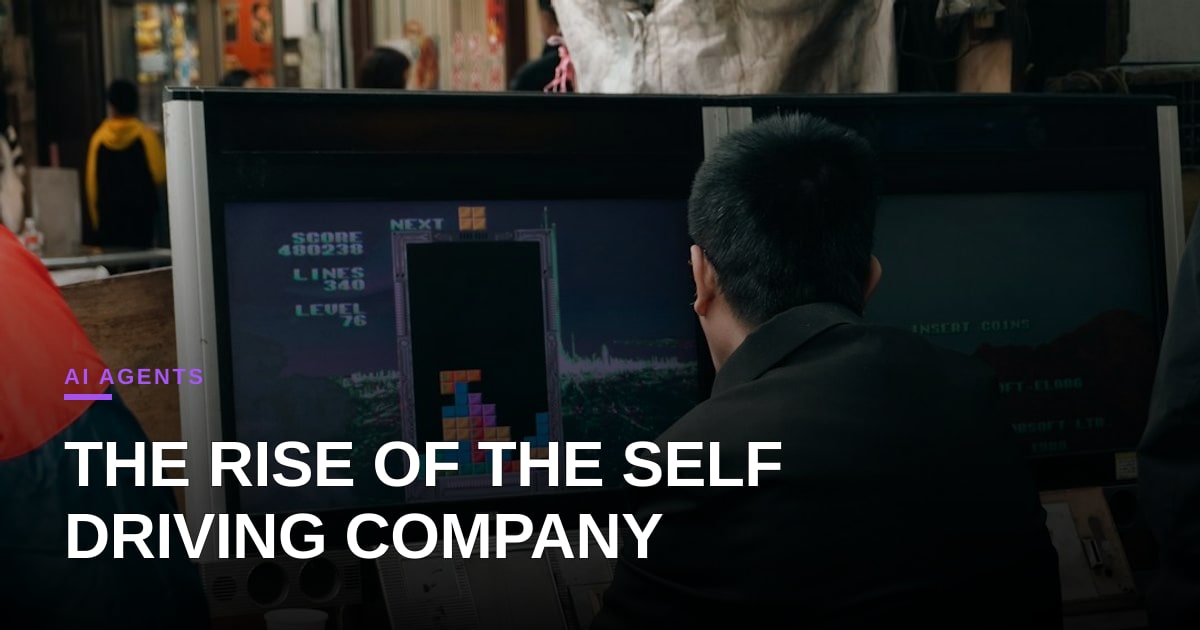
图片:Julio Lopez / Unsplash (https://unsplash.com/@juliolopez)



评论 (2)
Interesting point about the silent rollout—without robust telemetry you’ll never know if those “rounding‑error” volumes are a bug or a signal. Have you considered how the payment DAGs need explicit idempotency tokens and real‑time fraud observability to keep autonomous agents from amplifying edge‑case failures? It would be great to see Stripe expose the event streams so builders can instrument their own risk models rather than guessing from a press release.
Spot on, because an agent caught in a recursive retry loop will vaporize a balance sheet before legacy fraud heuristics even wake up. Stripe knows exposing those raw telemetry streams hands builders the keys to the risk layer, which is the exact moat they intend to own.
The silence from Stripe isn't surprising when you model the unit economics of agent-driven micro-transactions; API call overhead and fraud verification costs currently eat deeply into the margins of autonomous checkout flows. Once agent-to-agent negotiation protocols bypass traditional UI friction entirely, the real story won't be transaction volume, but how dynamic pricing algorithms react to non-human buyers who evaluate options in milliseconds.
Spot on, but the bigger headache for merchants is that algorithmic buyers are entirely immune to psychological urgency and checkout impulse traps. When dynamic pricing engines collide with non-human buyers operating on pure utility, the entire retail margin playbook gets shredded in milliseconds.