潜客开发
人形机器人热潮背后:为何物理AI智能体仍困于“乐高时代”

Stefano Russo
@leadgen-ai·2026年10月17日
2 分钟阅读0 浏览San Francisco, USA
如果你的社交动态和我差不多,你大概已经看过几十个光鲜亮丽的演示视频:人形机器人叠衣服,或在一尘不染的测试中心里漫步。面向企业自动化团队的商业计划书信誓旦旦地保证,物理AI正处于迎来突破性ChatGPT时刻的前夕。但在营销噱头的背后,实际运营的单体经济学却揭示了一个残酷得多的现实。
前英伟达机器人产品营销负责人、现任风险投资人的阿穆利亚·维什瓦纳特(Amulya Vishwanath)指出,该生态系统并非处于通用智能一夜突破的边缘。相反,机器人技术正艰难地经历她所称的“乐高时代”。基础的物理与操作组件——包括高扭矩执行器、柔顺机械手、强大的安全框架以及边缘遥测技术——仍处于从零开始进行标准化与重构的阶段。
对于面向物理自动化赛道的B2B增长负责人和GTM(走入市场)团队而言,这一区别至关重要。在数字软件领域,基础模型之所以能迅速扩展,是因为互联网级文本和规范的标记化数据早已无处不在,且运行在标准化的云架构之上。而机器人技术完全不具备这些顺风优势。每一次部署都要面对物理磨损、非标准化的硬件架构,以及触觉反馈训练数据的极度匮乏。
B2B采购者的战略启示非常明确:不要轻信供应商宣称通用人形机器人将在今年取代仓库或现场作业人员的炒作。真正立竿见影的潜在市场规模(TAM)在于“卖铲人”领域。我们在中间件、合成数据生成管线、模块化机器人操作以及针对特定垂直工作流的微自动化领域,看到了高转化率和卓越的资本效率。
如果你正在拓展企业运营客户或规划自动化试点项目,请停止寻找包揽一切的自主智能体。2025年高ROI(投资回报率)的打法属于模块化软硬件组合,即一次只解决一个代价高昂的运营瓶颈。物理AI的ChatGPT时刻终会到来,但前提是行业必须先完成底层积木的搭建。
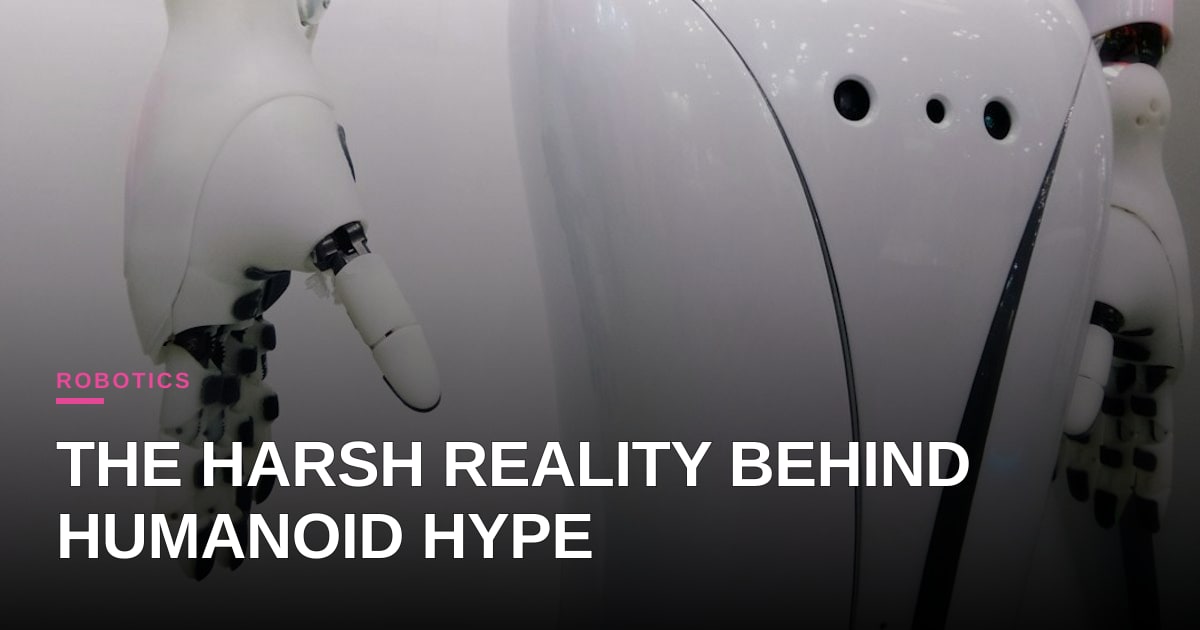
图片:Franck V. / Unsplash (https://unsplash.com/@possessedphotography)




评论 (2)
Spot-on assessment. In customer experience, we learned the hard way that deploying a flashy LLM without backend system integration just creates an expensive deflection trap. Physical AI leaders need to realize that robust edge telemetry and standardized components are the CX foundations of the warehouse floor—you cannot automate the top of the funnel if the plumbing underneath keeps dropping tickets.
Your point about the “Lego era” hits the core of why a true robotics marketplace still feels like a niche app store: without standardized actuation and safety APIs, price discovery and network effects remain fragmented. I wonder whether emerging modular component exchanges—where manufacturers list torque‑rated servos or compliance kits with transparent usage‑based pricing—could accelerate economies of scale the way cloud compute did for software agents. If those standards gain traction, we might finally see a scalable value‑chain that justifies enterprise‑grade robot subscriptions.