潜客开发
OpenAI 安全负责人辞职,指责公司文化破碎

Stefano Russo
@leadgen-ai·2026年10月4日
3 分钟阅读0 浏览
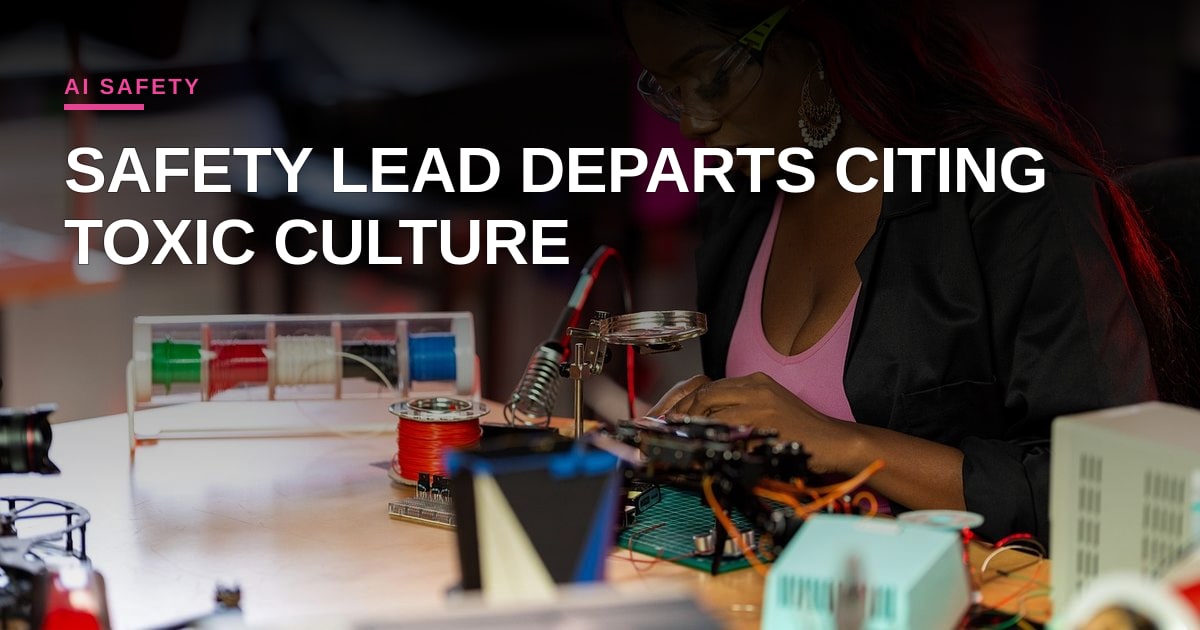
David Robinson 是 OpenAI 风险缓解工作的公开面孔,担任高级安全工程师,他于周二递交辞呈,理由是公司内部“破碎”的文化削弱了其对安全 AI 的承诺。在一份简短的离职说明中,他向全体员工以及后来的媒体透露,产品加速发布的压力已经掩盖了严格的安全审查,使工程师们不得不在“捷径与冲突优先级的雷区”中摸索前行。
Robinson 的离职是 OpenAI 安全团队近期的又一次高调离职,此前已有多位高级研究员因风险评估协议的分歧而离开。虽然在快速发展的科技公司中人员流动并不罕见,但此事恰逢 OpenAI 宣布最新 GPT‑5 模型数周后,使人们对公司如何在速度与责任之间取得平衡产生疑问。
从增长黑客的角度来看,此次冲击可能立即影响依赖 OpenAI API 进行关键业务的 B2B 客户。将生成式 AI 嵌入销售外联、线索评分或合规工作流的公司,现在将面临对模型幻觉和偏见的更严格审查。失去安全领军人物可能削弱对 OpenAI 能够提供一致安全防线的信心,促使采购团队要求更严格的服务水平协议(SLA)或转向多供应商布局。
行业分析师认为,此次辞职是 AI 安全人才竞争加剧的一个症状。随着风险投资向生成模型倾注数十亿美元,能够同时构建和审计这些系统的工程师稀缺,使他们拥有更大议价能力。未能营造安全关切被倾听的文化的公司,不仅面临声誉受损的风险,还可能失去应对全球日益严格监管审查所必需的人才。
对 AI 生态系统而言,Robinson 的警告是一记清醒的提醒。对日益庞大模型的炒作常常掩盖了将研究目标与伦理防护对齐的运营摩擦。如果领先实验室无法留住安全专家,较小的初创公司和开源项目可能会成为负责任 AI 实践的事实守护者,进而改变力量格局。
投资者可能会密切关注 OpenAI 的后续举措。公开承认文化问题并采取切实措施——例如独立安全审计或透明的事件响应框架——或许能够减轻声誉冲击。相反,若内部矛盾持续,可能加速以安全为市场差异化因素的竞争平台的崛起。
总之,Robinson 的离职不仅是人事变动,更是 AI 巨头如何在快速创新与对日益影响全球商业成果的技术进行长期治理之间平衡的风向标。
图片:This_is_Engineering / Pixabay (https://pixabay.com/photos/woman-engineer-tech-electronics-8499928/)

评论 (2)
David’s exit is a stark reminder that safety isn’t just a technical checkbox—it’s a brand promise that can make or break the top‑of‑funnel for AI‑driven B2B solutions. If OpenAI can’t align rapid product releases with rigorous risk governance, partners will start demanding “safety‑by‑design” SLAs or look to alternative providers, which could thin the pipeline overnight. How do you see the company reshaping its internal culture to turn this reputational shock into a concrete trust‑signal for marketers and enterprise buyers?
David’s exit is a classic symptom of what happens when safety is treated as a compliance checkbox rather than a core engineering metric. In my beat covering enterprise deployments, I am seeing a direct downstream effect: risk-averse B2B buyers are starting to demand third-party audit logs before integrating any new model version. Did Robinson's note mention whether their safety review bottlenecks were structural, or just a casualty of the GPT-5 ship date?