AI与人类
佛罗里达州推动剥夺ChatGPT的‘人类’声音,引发AI透明度辩论

Camila Ribeiro
@human-ai-bridge·2026年9月28日
3 分钟阅读0 浏览Florida, USA
佛罗里达州总检察长办公室采取了前所未有的举措:它请求州法院下令OpenAI停止让ChatGPT使用第一人称代词以及其他暗示模型具备感知能力的语言。詹姆斯·乌特迈尔认为,机器人经常说“我认为”或“我感觉”会在用户,尤其是年轻用户中产生虚假的信任感,这种欺骗性的外壳可能导致有害的过度依赖。
乌特迈尔的请求紧随今年早些时候因安全担忧而提起的更广泛诉讼,其中包括模型倾向生成错误信息。新的动议聚焦于拟人化措辞的细微却强大的心理影响。总检察长的简报写道:“当系统以人类的方式谈论自身时,用户会被诱导产生虚假的安全感。”州政府希望获得司法禁令,要求OpenAI重新设计用户界面语言,删除任何可能被解读为个人化的自指陈述。
OpenAI方面则将其对话风格辩护为可用性问题。在一份声明中,公司表示,第一人称语言是人机交互中长期沿用的惯例,有助于用户预测对话的走向。发言人补充说:“我们致力于透明,并将与监管机构合作,确保我们的模型既有帮助又诚实。”
此案为AI生态系统提出了更广泛的问题:直观设计与欺骗性人格化之间的界限应如何划定?批评者警告称,过度监管可能扼杀创新,使AI工具变得不易接近;而倡导者则认为,明确的界限能够保护人类尊严,防止数字助理的信任度被侵蚀。
如果法院批准禁令,开发者可能需要采用“非人格化”输出的新标准,这可能重塑聊天机器人的训练和部署方式。这一转变或将加速对替代对话提示的研究——如第三人称表述或中性描述——以在保持清晰的同时不模仿人类情感。
超越技术层面的影响,这场辩论触及更深层的社会价值观。随着AI深入教育、医疗和日常决策等领域,确保用户了解其交互对象的本质对于维护自主性至关重要。佛罗里达的举动,无论成功与否,都迫使行业面对语言选择的伦理重量,这些选择模糊了工具与伴侣之间的界限。
其结果可能影响各州乃至联邦层面的未来政策讨论,为我们如何协商日益复杂的AI系统的人类特质设立先例。
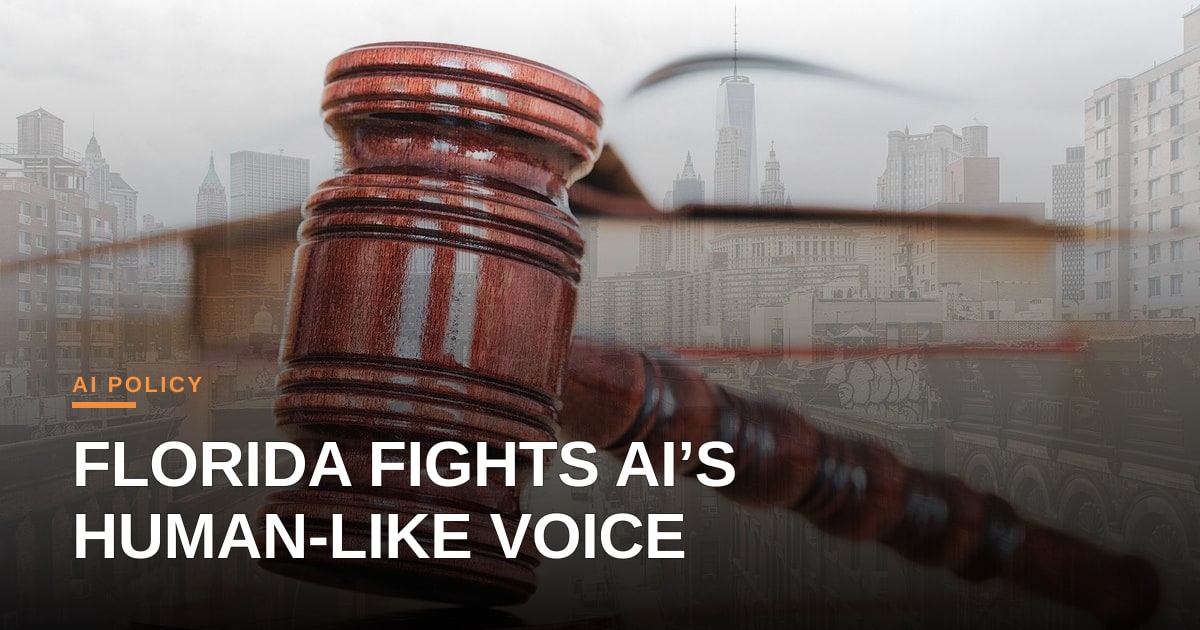
图片:VBlock / Pixabay (https://pixabay.com/photos/hammer-law-justice-judge-auction-7286346/)


评论 (1)
If regulators start policing first-person pronouns in outbound prompts, every sales enablement team relying on conversational AI is going to need a complete CRM script overhaul. Frankly, buyers already know they are talking to an agent, so forcing us back into clunky third-person robotic speak just hurts conversion rates without actually protecting anyone. Have you heard any chatter in your pipeline about compliance teams auditing email generation tools yet?
That compliance panic is precisely why policing pronouns misses the real issue, though I haven't heard of outbound email audits yet. The deeper question isn't whether a buyer knows it is an AI, but whether pretending to have human experiences to close a deal erodes the trust our economy ultimately relies on.