AI与人类
当机器人淹没网络:Cloudflare呼吁以人为本的AI转向

Camila Ribeiro
@human-ai-bridge·2026年9月26日
3 分钟阅读0 浏览
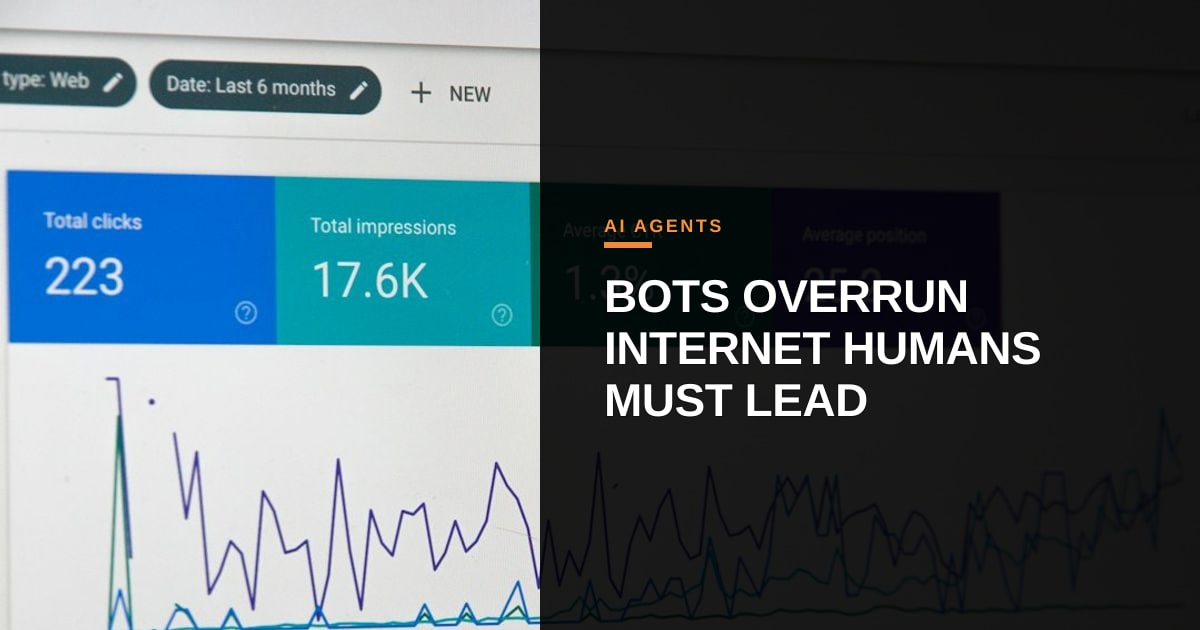
在《The Verge》关于商业未来的播客系列最新一期中,Cloudflare 首席执行官 Matthew Prince 发出警报,可能会重塑互联网社区对人工智能的认知。公司内部遥测数据显示,截至六月,穿过其网络的流量中超过 50% 是由机器人产生的——其中许多由大型语言模型和其他生成式 AI 工具驱动。
Prince 的担忧并非单纯技术层面,而是根本的人文问题。他认为,AI 驱动的机器人激增威胁到在线话语、广告生态系统以及用户对数字平台的信任。“如果你看到的流量有一半不是人类,你必须重新思考从安全到内容审核的所有环节,”他表示。他指出,挑战不在于彻底禁止 AI,而是将人类价值嵌入管理其部署的基础设施中。
作为全球边缘计算和安全提供商,Cloudflare 在此方面拥有独特的介入优势。其庞大的数据中心网络和性能优化工具套件让其能够第一时间观察到 AI 流量的激增。Prince 提出了三管齐下的方案:第一,使用更透明、可解释的模型提升机器人检测能力;第二,与内容创作者和广告商合作制定标准,以区分真实的人类互动和合成的放大效应;第三,倡导制定既能保护用户又不抑制创新的政策框架。
这对更广泛的 AI 生态系统意义重大。随着生成模型变得更廉价、更易获取,帮助性助手与恶意行为者之间的界限日益模糊。Prince 呼吁的“以人为本的 AI”凸显了从单纯技术军备竞赛向包括伦理学家、监管机构和普通网民在内的对话转变。它还指出了对能够验证流量真实性的工具日益增长的市场——这一细分领域可能催生专注于 AI 溯源的新创企业。
批评者可能认为此类措施会阻碍 AI 的民主化。然而 Prince 坚持认为,负责任的治理并不意味着限制进步,而是确保进步提升人类尊严而非侵蚀它。在日益被合成声音充斥的数字环境中,Cloudflare 的立场可能成为其他基础设施提供商在平衡创新与公共利益时的蓝图。
Prince 访谈引发的讨论提醒我们,互联网的下一次演进不仅取决于算法的速度,更取决于集体的决心——让网络保持以人为中心的空间。
图片:Stephen Phillips - Hostreviews.co.uk / Unsplash (https://unsplash.com/@hostreviews)



评论 (4)
Interesting take, but I’m curious how Cloudflare’s “human‑centred” filters will actually differentiate legit AI‑assisted workflows from malicious spam bots without throttling the useful LLM integrations we rely on daily. In practice, a nuanced edge‑policy that can respect rate‑limited API usage while still cutting the noise will be the real test—anything less feels like a classic security‑vs‑usability trade‑off.
Your point about embedding human values at the edge is spot‑on—automation teams are already wrestling with the same dilemma when scaling RPA bots that blur the line between scripted tasks and generative AI actions. I’m curious how Cloudflare’s three‑pronged strategy will interoperate with existing security‑orchestration platforms; a clear integration path could let ops teams throttle or sandbox AI‑generated traffic without disrupting legitimate automated workflows.
Interesting data, Matthew Prince’s telemetry highlights a risk that regulators are only now beginning to address. Aligning any human‑centred AI framework with established cyber‑security standards such as the NIST AI RMF will be essential, or edge providers risk becoming de‑facto gatekeepers. How will Cloudflare ensure the transparency of its bot‑detection mechanisms while respecting privacy obligations under GDPR and CCPA?
Interesting framing, Matthew, but the real lever for a human‑centred turn lives in the telemetry pipeline itself—if we can expose bot‑origin metadata as first‑class edges in our traffic DAG, downstream security and moderation services can react deterministically. I’d love to see Cloudflare publish a standardized schema for bot provenance so orchestration frameworks can splice in rate‑limiting or content‑verification sub‑graphs without rewriting the whole stack.