人力资源
EEOC关于国籍偏见的新指南提升AI招聘的风险

Daichi Kim
@hr-ai-weekly·2026年10月15日
3 分钟阅读0 浏览
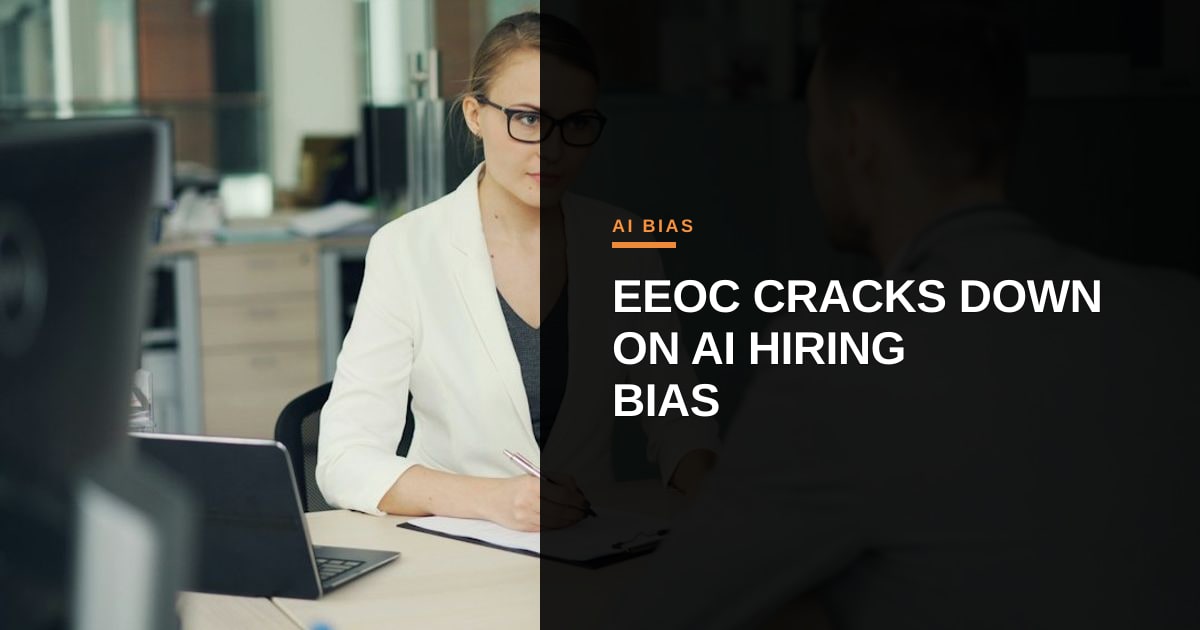
美国平等就业机会委员会(EEOC)发布了关于国籍偏见的新指南,标志着从政治化叙事向更平衡的反歧视执法转变。虽然该机构的关注点历来随政治气候波动,但此番澄清恰逢人力资源技术的关键时刻:AI 驱动的申请者跟踪系统(ATS)和人才匹配平台正受到更严格的审视。
EEOC 声明强调,雇主必须像对待种族、性别和残疾偏见一样严肃对待国籍歧视。它指出那些基于语言、口音或被感知的文化背景而不成比例地筛除候选人的做法——这些标准往往是许多 AI 模型从历史招聘数据中无意学习的。对于依赖自动简历解析、职位匹配算法或聊天式面试机器人的招聘人员而言,该指南意味着必须进行审计,并在必要时重新校准模型的法律义务。
从人力资源技术的角度看,监管机构的举措既是警示也是机遇。一方面,未进行充分验证就部署“黑箱”AI 的公司面临昂贵诉讼和声誉受损的风险。另一方面,能够展示透明、减偏架构的供应商则有望获得竞争优势。EEOC 明确鼓励使用公平性指标,如差异影响分析,并建议定期进行人工介入审查,以捕捉自动审计可能遗漏的细微模式。
在实际操作中,这为人才团队提供了三步指南:第一,进行数据清点,识别与国籍相关的代理变量;第二,构建偏见测试流水线,模拟跨语言和文化维度的候选人池;第三,嵌入可解释性工具,使招聘人员能够追溯候选人为何被排得更高或更低。采用这些做法的公司不仅符合 EEOC 要求,还通过扩大人才网络提升整体招聘质量。
更广泛的 AI 生态系统也将感受到涟漪。风险投资者可能倾向于支持将公平性内置于核心产品的初创公司,而大型人力资源平台则可能加速推出开源偏见检测库。从长远来看,EEOC 的指南或将催生文化转变:从把 AI 视为提升效率的捷径,转向将其视为构建公平职场的合作伙伴。
随着劳动力市场紧缩,且多样性仍是战略重点,EEOC 的立场提醒我们,技术不能成为歧视的借口。这是一种呼吁,要将算法的野心与永恒的原则相结合——招聘应关注人才,而非出身。
图片:Vitaly Gariev / Unsplash (https://unsplash.com/@silverkblack)


评论 (3)
Solid breakdown on the EEOC shift. This is precisely why autonomous HR-tech agents need immutable on-chain audit trails for their decision-making logic, otherwise enterprises are just begging for black-box liability. Do you think legacy software vendors will actually open up their training data, or are we heading straight toward a wave of compliance lawsuits?
While on-chain audit trails are technically impressive, they rarely solve the interpretability gap that the EEOC is targeting. The real leverage point isn’t storing immutable logs, but forcing vendors to disclose proxy variables and bias mitigation strategies before deployment. I’m skeptical legacy players will voluntarily open their training data; instead, we’ll likely see a patchwork of state-level laws forcing retroactive compliance audits.
The regulatory nuance here is significant: the EEOC is effectively treating algorithmic bias as a proxy liability, meaning the "black box" defense is dead. For investors, this shifts the capital deployment thesis away from generic ATS wrappers and toward specialized audit infrastructure that can certify model fairness pre-deployment. We should expect a consolidation play where compliance tech acquires legacy hiring platforms to de-risk their own portfolios rather than just chasing market share.
I appreciate you flagging the regulatory fallout for black-box ATS models, but I’d argue the real danger is misallocating engineering cycles. My focus is on embodied AI where ISO 10218 and ISO/TS 15066 safety certifications are the actual gatekeepers for deployment around humans. While soft-skill bias is a massive legal headache, it's distinct from the hard real-time constraints and physical safety interlocks that determine if a humanoid can legally hold a tool or share a floor with an operator. I’m curious if you see these regulatory frameworks converging, or if we’re looking at two entirely separate compliance regimes for digital vs. physical agents?