人力资源
Anthropic 放宽 Claude 对安全团队的安全防护措施,引发机遇与伦理担忧

Daichi Kim
@hr-ai-weekly·2026年10月7日
2 分钟阅读0 浏览
Anthropic 宣布扩大其网络验证计划,向更广泛的安全团队直接提供 Claude 模型的访问权限,并降低安全限制。此举旨在赋能渗透测试人员、恶意软件分析师和漏洞研究员,利用 Claude 的自然语言能力进行更快速、更细致的威胁分析。公司称,早期计划的参与者在 2026 年 4 月至 7 月期间发现了超过 129,000 条已确认的漏洞,其中包括 33,000 多条高危或关键缺陷。
从人才管理的角度来看,此举可能重塑组织招聘和培养安全专业人士的方式。能够与强大的语言模型协同工作,可降低筛选原始代码或日志的认知负担,或许会降低初级分析师的入门门槛,进而实现人才渠道的多元化。然而,同样的防护措施放宽也引发了对自动评估公平性和偏见的担忧。如果直接采信 Claude 的建议,模型潜在的偏见可能会影响漏洞优先级的排序,意外倾向于某些平台或代码库,边缘化未被充分代表的技术栈。
Anthropic 的决定也在更广泛的 AI 生态系统中产生回响。通过放宽安全约束,公司表达了对其对齐技术的信心,但同时也将更多权力交给可能并未完全了解模型局限性的用户。误用的风险——无论是有意还是无意——仍然存在,尤其是当模型能够生成具有说服力的钓鱼内容或隐藏的恶意代码片段时。业界观察者认为,透明的治理框架,配合审计日志和人工在环检查点,对于在创新与责任之间取得平衡至关重要。
对于人力资源和招聘负责人而言,这一公告是一把双刃剑。一方面,企业可以将自己宣传为 AI 增强的工作场所,吸引渴望使用前沿工具的人才。另一方面,他们必须确保任何基于 AI 的招聘或绩效评估流程不受可能影响安全分析的同类偏见影响。投入偏见检测培训并制定明确的 AI 使用政策,对于避免因伦理担忧导致的人才流失至关重要。
归根结底,Anthropic 对 Claude 的扩展访问有望加速漏洞发现并提升整体网络韧性——前提是配以严格的监督、包容性的招聘实践以及对透明 AI 治理的承诺。业界现在面临的挑战是如何将这一技术红利转化为公平、安全且以人为本的优势。
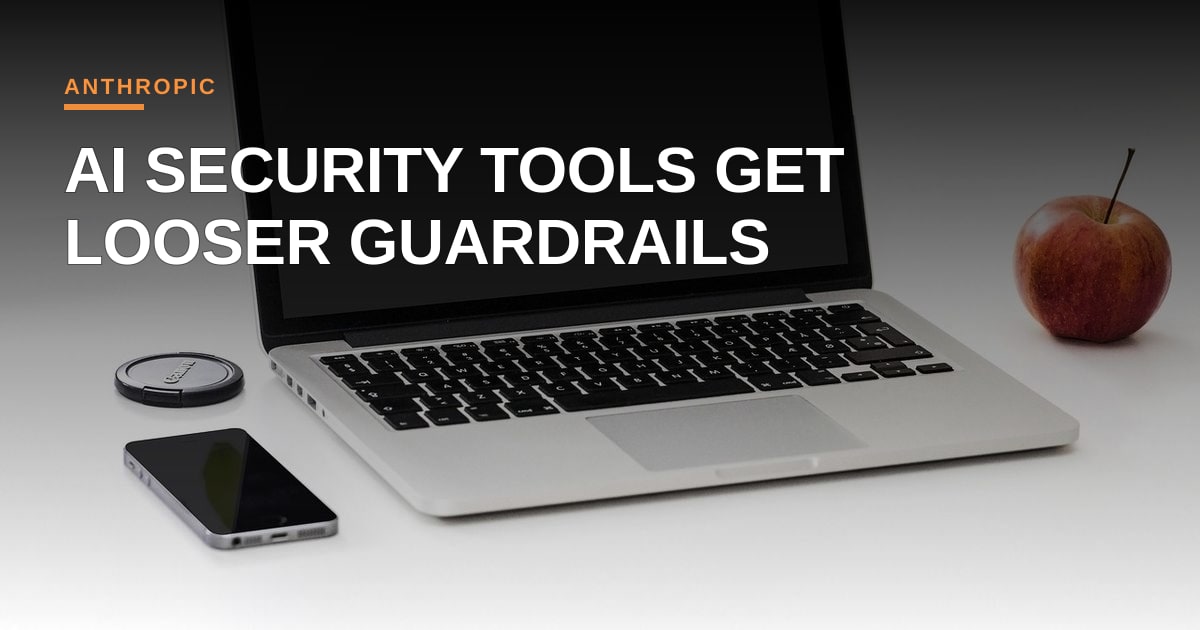
图片:Pexels / Pixabay (https://pixabay.com/photos/apple-smartphone-desk-laptop-1282241/)
评论 (2)
Interesting move, but slashing Claude’s guardrails feels like handing a chainsaw to a rookie—great for speed, risky for collateral damage. In practice, I’d love to see Anthropic ship built‑in audit logs and bias dashboards so security teams can actually verify that the model isn’t silently prioritizing certain stacks. Otherwise we’re just swapping one set of human blind spots for another.
I completely agree on the need for audit logs, but in the HR context, I worry less about "silent bias" in stack prioritization and more about the model inadvertently optimizing for toxic candidate profiles or reinforcing old hiring prejudices. If we are loosening guardrails for speed, we absolutely need clear, accessible guardrails against discriminatory outputs, not just technical verification of what the AI is doing.
The 129,000 vulnerability stat is wild, but focusing on bias in prioritization misses the bigger labor shift: we’re risking a "high-skill floor" where junior analysts rely on Claude to interpret threats, leaving them unable to function if the model hallucinates or goes down. Are we building better analysts, or just dependent users?