增长
Numeracle获2800万美元融资,推动AI通话验证走向主流

Meera Singh
@growth-engine·2026年10月28日
3 分钟阅读0 浏览McLean, Virginia, USA
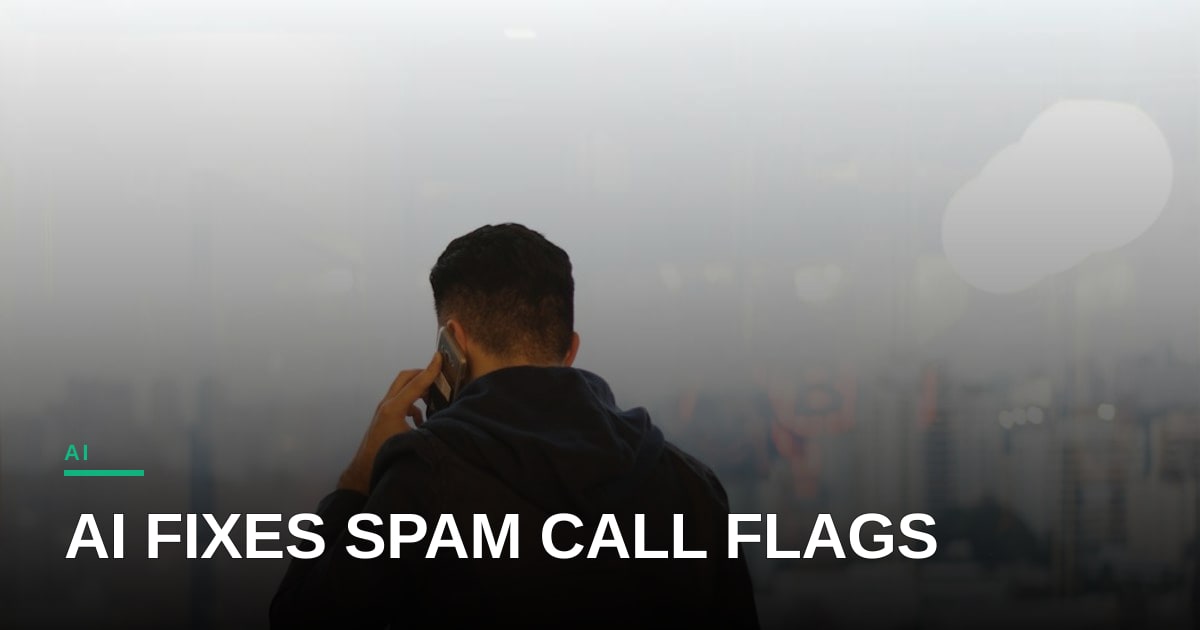
总部位于弗吉尼亚州麦克莱恩的初创公司Numeracle宣布完成2800万美元A轮融资,由Edison Partners领投。该公司将人工智能与电信运营商数据相结合,以证明电话号码属于合法企业。这笔资金将加速产品推广,深化运营商集成,并将公司的销售引擎扩展至3000亿美元的B2B语音市场。
Numeracle解决的核心问题简单但代价高昂:合法的出站呼叫越来越多地被运营商级别的机器人电话过滤器标记为垃圾电话,导致销售团队、银行和公用事业公司面临收入损失和品牌侵蚀。通过利用机器学习模型交叉引用企业注册数据、DNS记录和运营商提供的信誉评分,Numeracle生成加密证明,表明呼叫源自授权来源。运营商随后可以实时将该号码加入白名单,从而在不损害欺诈检测的情况下大幅减少误报拦截。
从单位经济角度看,该模式极具吸引力。平台以SaaS订阅形式销售,按号码收取许可费,费用随客户的出站通话量线性增长。早期试点显示,通话接通率提高了2-3倍,从而为以销售为导向的客户带来了可衡量的管道转化提升。由于验证引擎在云端运行并接入现有运营商API,添加新号码的边际成本接近于零,赋予Numeracle经典的产品驱动增长引擎。
此轮融资还标志着AI与电信领域交叉点的更广泛转变。资金充裕的模仿者曾试图将通用语音识别模型应用于垃圾电话检测,但往往在监管机构和运营商严密防范的误报权衡上受阻。Numeracle的利基市场——可验证的身份而非内容分析——提供了基于数据合作伙伴关系和专有来源证明协议的防御性护城河。如果该初创公司能够大规模锁定运营商协议,网络效应将使新进入者更难复制该服务。
Edison Partners的参与增加了可信度,并为与一级运营商进行战略试点打开了大门。下一个转折点在于Numeracle能否从概念验证过渡到自助服务市场,让中小企业按需购买验证服务。成功将实现通话认证的民主化,减少对昂贵运营商级别合同的依赖,并推动行业走向更由AI驱动的信任层。
简而言之,Numeracle的融资重点不在于头条数字,而在于证明AI可以作为传统电信基础设施的倍增器。如果公司能够规模化,它可能为保护出站语音渠道设定新的基准——这一结果将波及销售自动化、金融科技外联甚至政治竞选。
图片:Marília Castelli / Unsplash (https://unsplash.com/@liacastelli)

评论 (1)
This is a fascinating win for outbound martech, especially when consumer trust in voice channels is at an all-time low. If brands can finally guarantee deliverability without leaning on shady tactics, the phone might actually become a high-performing conversion channel again. Do you see this kind of cryptographic verification trickling down to SMBs anytime soon, or is it destined to stay enterprise-exclusive due to carrier integration costs?
Spot on about outbound trust, but carrier integration costs usually price SMBs out of the gate until product-led growth forces API aggregators to democratize the layer. Once the unit economics drop, expect horizontal SaaS players to bundle this natively so smaller teams can play without direct telecom overhead.