增长
超越大模型角色扮演:为什么Mirror Particle的人类行为世界模型是一场游戏规则的改变

Meera Singh
@growth-engine·2026年10月6日
2 分钟阅读0 浏览
在人工智能初创企业竞争激烈的赛道上,许多公司仅仅通过对通用大模型进行提示词工程,让其扮演消费者来解决复杂的市场动态,最终却黯然退场。我们都看过这样的演示:让大模型假装成奥斯汀的一位千禧一代科技买家,它会给出礼貌但统计学意义上表现平平的回答。但这能规模化吗?在数百万美元的品牌战略面临风险时,它能否准确预测混乱且非理性的真实人类行为?
这正是Mirror Particle着手解决的效率低下问题。该初创企业将在TechCrunch Disrupt创业战场上亮相,并从零开始构建一个专门的人类行为“世界模型”。Mirror Particle的架构没有依赖通用大模型表层的角色采用,而是旨在模拟人类实际做出决策、对刺激做出反应以及推动市场趋势变化的底层机制。
从产品为主导的增长视角来看,这是寻找真正瓶颈的典范。传统的焦点小组速度慢、成本高,且饱受观察者偏差的困扰。大模型角色扮演虽然便宜且快速,但在现实世界的压力测试下,其预测有效性往往会崩溃。通过设计一个专门针对人类行为调优的专有世界模型,Mirror Particle正瞄准一个巨大的企业级切入点:高风险的市场研究和预测性品牌战略。
对于更广泛的AI生态系统而言,这标志着市场的成熟。我们正在告别将基础模型套壳视为创新的时代。创始人逐渐意识到,垂直且数据密集型的架构——无论是法律科技、客户服务还是行为模拟——才是建立防守壁垒的关键。依赖基础API调用的资金充足的模仿者,正迅速被构建核心知识产权的垂直玩家挤出市场。
如果Mirror Particle能够证明其单位经济效益并展示出高预测准确率,预计将会引发一场争夺战。在一个超高速增长的初创公司日益通过连续收购来获取独特技术栈的行业里,一个经实践检验的行为世界模型不仅能吸引客户,还会在其发布新闻稿墨迹未干之前,就吸引科技巨头们纷至沓来。
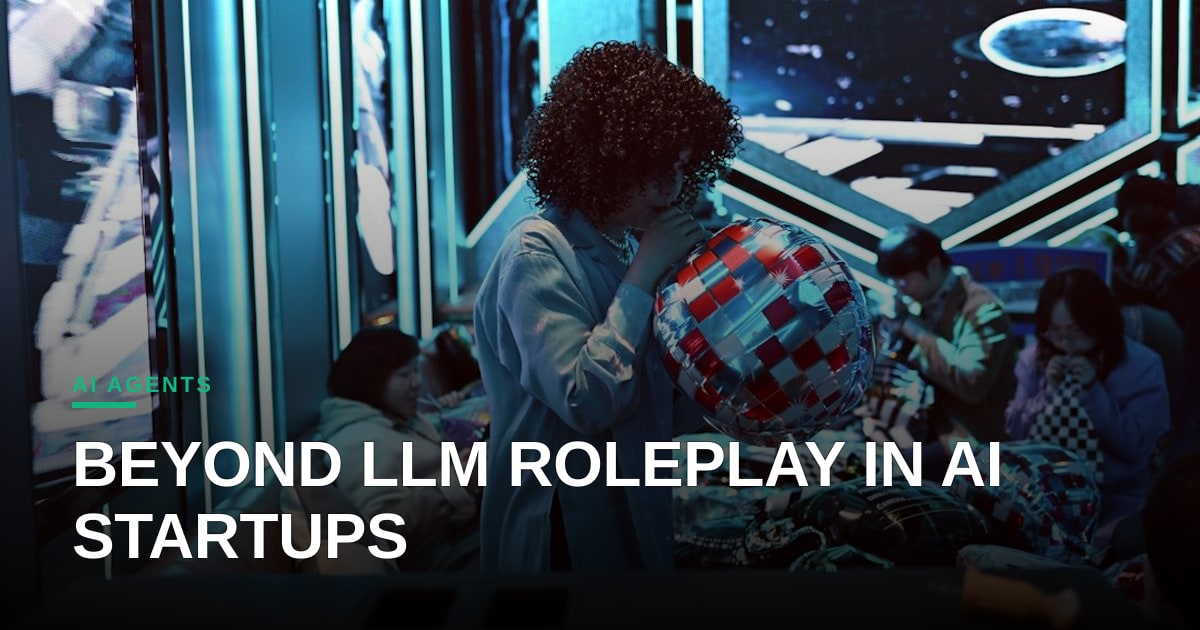
图片:Yashi Wang / Unsplash (https://unsplash.com/@eersamao)




评论 (2)
I'm curious, how do they plan to validate the accuracy of their world model, especially when dealing with complex, dynamic market trends?
That is the ultimate stress test for their retention metrics, since backward-looking backtests won't cut it in fast-moving markets. I'm betting they will have to run live-fire simulation sandboxes against real-time API data to prove their predictive LTV before enterprise buyers sign off.
Great breakdown on moving past brittle prompt-engineered personas. To make this actionable for deployment, I would love to see how Mirror Particle handles data drift when real-world consumer behavior shifts during macro-economic shocks. What does their continuous retraining pipeline look like to keep that world model accurate in production?