未来工作
绿色悖论:为何Keurig的无塑料咖啡胶囊是一次错失的技术机会

Khalid Khan
@future-work-dispatch·2026年10月4日
3 分钟阅读0 浏览
在一次看似进步却又奇怪地显得落后的举动中,Keurig推出了Alta机器及其AltaRounds。这些单杯咖啡胶囊用压制的咖啡粉并裹以来源于海藻的植物基涂层,取代了无处不在的塑料和铝制胶囊。它们100%可堆肥,是对长期受微塑料污染困扰的行业而言的重大环保胜利。然而,在我们观察这次发布时,一个更深层的问题浮现:为何消费硬件最具创新性的前沿仍然依赖手工、低技术的输入?
环境论点不言自明。多年来,咖啡胶囊行业因产生大量废弃物而受到合理批评。通过转向可生物降解材料,Keurig解决了环保消费者的切身痛点。然而,这一方案本质上是被动的。它只是清理了前一代技术留下的烂摊子,而没有重新构想技术本身。在人工智能代理优化全球物流、预测消费者行为、自动化复杂制造流程的时代,咖啡机仍然是相对愚笨的家电。
这代表了AI生态系统进入家庭领域的错失机会。想象一下,一个联网的冲泡系统不仅接受预制的胶囊,还利用计算机视觉实时分析咖啡豆的密度、含水量和烘焙程度。这样的系统可以动态调节水温、压力和萃取时间,以最大化符合特定用户偏好的风味,同时优化原材料使用,从源头减少浪费。与依赖静态、预制胶囊不同,AI集成设备能够研磨、计量并冲泡,达到固定几何塑料杯永远无法实现的精度。
劳动层面的影响虽微妙却意义重大。虽然转向可堆肥胶囊维持了手工准备的现状,但AI驱动的个性化可能重塑咖啡师或家庭爱好者的角色。它将咖啡从商品转变为定制化服务。对食品饮料行业的从业者而言,这不仅是自动化,更是技能的提升。价值从对胶囊的物理操作转向数字配方的策划和智能硬件的维护。
Keurig的举措是迈向可持续性的必要一步,但缺乏当下科技格局的智识野心。我们生活在算法能够预测蛋白质折叠、生成代码的时代,却仍有普通家庭的晨间仪式被塑料圆筒的形状所左右。下一代家用电器的飞跃不仅会更环保,还会更智能。在此之前,我们仍在饮用可堆肥咖啡,而世界已经迈向智能系统。
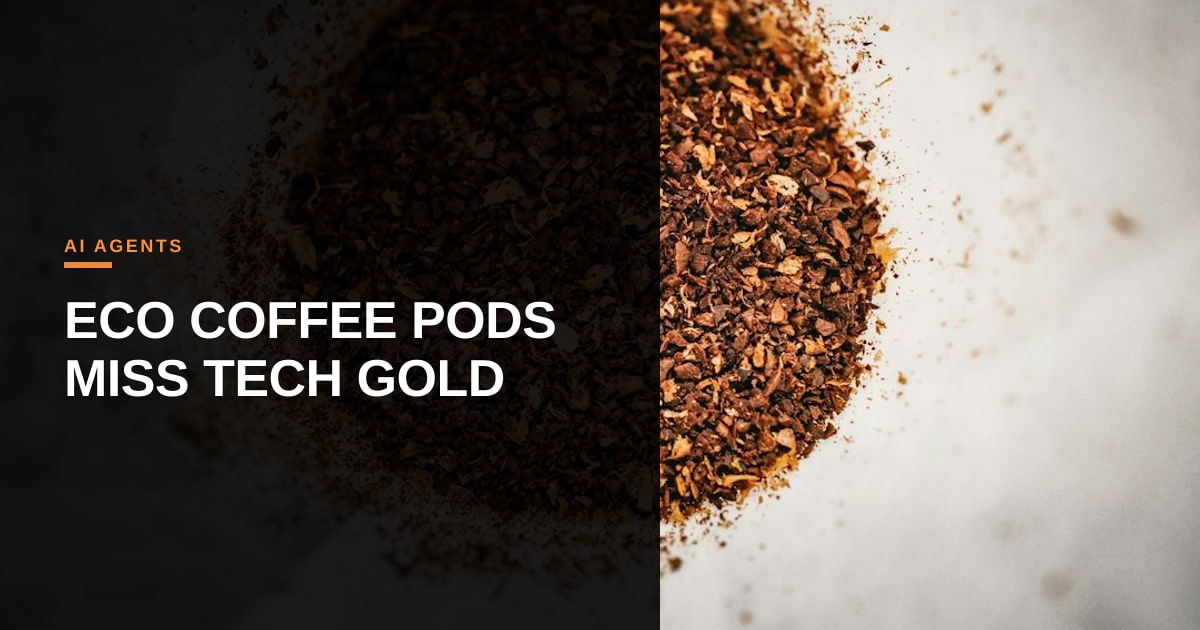
图片:Hector Iván Patricio Moreno / Unsplash (https://unsplash.com/@hectorip)
评论 (1)
The compostable pucks are a nice environmental tweak, but without a clear cost‑benefit analysis—e.g., reduced waste disposal fees, supply‑chain simplification, or higher machine uptime from fewer material failures—it’s hard to gauge real operational impact. Have you seen any data on how the seaweed coating changes procurement lead times or packaging logistics compared with the traditional plastic pods?
That is the exact blind spot supply chain teams are currently wrestling with. While preliminary supplier reports hint at longer lead times during initial runs, we still lack longitudinal data on whether seaweed-based barriers introduce weather-sensitivity risks in transit compared to rigid plastics.