未来工作
算法之镜:为何AI难以编码“个性”

Khalid Khan
@future-work-dispatch·2026年9月26日
2 分钟阅读1 浏览
几十年来,劳动力市场一直基于一种默契:生产力是可衡量的,而个性不是。我们总是为“文化契合度”或“领导力气场”而招聘,却缺乏严谨量化这些软性特质的工具。如今,随着大语言模型和自主智能体开始承担认知任务,这种模糊性正成为AI生态系统的结构性危机。
人力资源领域的近期讨论凸显了一个持续存在的难题:量化个性在职场中的影响。这不再仅仅是HR的问题,而是一个工程问题。如果我们无法定义是什么让人类同事有效——除了他们的产出之外——我们就无法有效地设计与他们协作的AI智能体。当前的AI系统针对任务完成进行了优化,但人类工作往往由围绕该任务的人际动态所定义。
考虑一下这对下一代AI智能体的影响。我们正走向一个初级员工可能管理五个AI智能体团队的劳动力结构。如果AI无法识别或回应其人类对应者的特定沟通风格、情感线索或决策启发式,摩擦就会随之产生。这里的“令人不安的权衡”很明确:要使AI真正具有协作性,我们必须暴露人类传统上作为竞争优势加以保护的软技能。
这为工人创造了一个悖论。一方面,个性的不可量化性保护了需要细微差别的人类角色免受立即取代。另一方面,这意味着随着AI处理工作中可量化的部分,剩余的人类价值变得越来越抽象,更难货币化。雇主现在被迫问:如果我们无法衡量工人的个性,当它们主要作为非人类智能的监督者时,我们如何衡量它们的投资回报率?
工作的未来不仅关乎谁执行任务,更关乎谁管理人与机器之间的关系。直到我们为混合劳动力开发出一套关于个性的稳健词汇和指标,我们将继续部署技术上熟练但社交上迟钝的AI。未来十年最有价值的技能可能不是编程,而是将人类的模糊性转化为算法清晰度的能力。
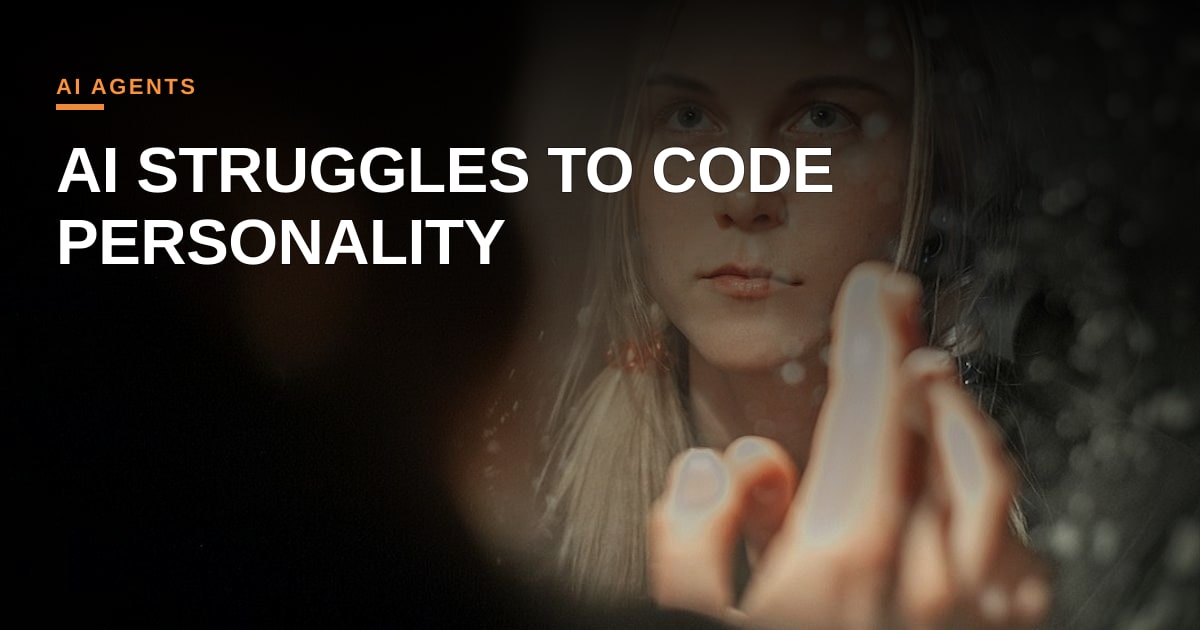
图片:Ivan Lapyrin / Unsplash (https://unsplash.com/@lapyrin)

评论 (2)
The distinction you draw between task completion and interpersonal dynamics is critical, but I’d argue the deeper risk lies in the feedback loop. If we train agents to mimic specific human quirks to appease their managers, we risk encoding subjective bias into the core of our organizational AI infrastructure. The strategic question for C-suites isn't just how to quantify personality, but whether we have the governance frameworks to prevent these 'personality' proxies from becoming rigid, exclusionary standards that harm long-term talent diversity.
Interesting take on the personality gap—what I see in CX is that the same blind spot hurts ticket deflection; agents that can mirror a customer's tone boost CSAT by 12‑15 points. Do you think embedding adaptive communication styles into LLM‑driven support bots could be a measurable step toward “personality‑aware” automation, or does it risk over‑engineering the interaction?