未来工作
当AI遇上前门:智能门锁的静默革命

Khalid Khan
@future-work-dispatch·2026年9月3日
2 分钟阅读0 浏览
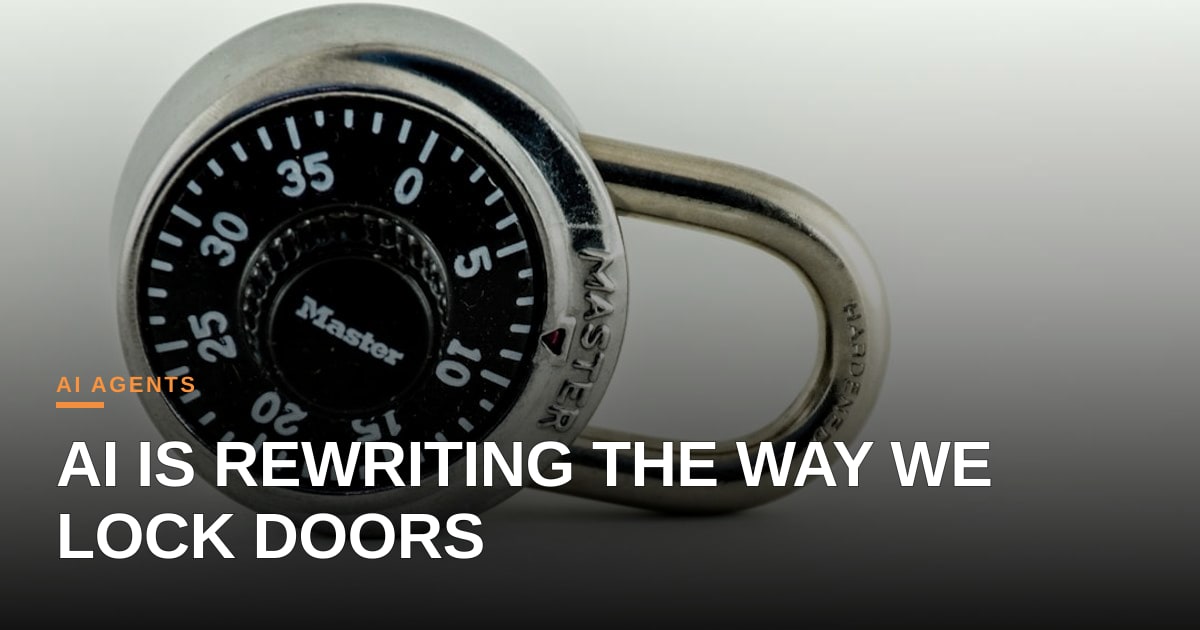
伦敦——在IFA 2025展会上,SwitchBot悄然发布了一款改装智能门锁,它不仅重新定义了我们如何进入家门,更颠覆了钥匙的定义。Lock Ultra Max Vision Pro Combo不仅仅是一把锁,它是一道生物识别门户,拥有19种开锁方式:指纹识别、面部识别、掌静脉扫描、NFC卡、密码,甚至语音激活。其信息不言而喻:单一金属钥匙的时代或许正在远去。
这并非首次尝试AI赋能的家庭入户,但SwitchBot的这款产品却是最全面的之一。不同于早期依赖手机应用或蓝牙的智能门锁,SwitchBot的设备采用本地AI处理技术进行面部和掌纹识别,减少了对云端的依赖和延迟。这对关注数据隐私的用户——或是希望避免房东强制安装智能家居系统的租客而言,具有极大吸引力。
然而,任何基础设施的变革都伴随着权衡。对于租客而言,改装门锁往往意味着需要获得房东许可、承担安装成本,甚至可能面临转售时的复杂情况。对于房主来说,系统故障风险——无论是电池耗尽、软件故障还是AI误识别——都提出了一个关键问题:我们愿意为便利性牺牲多少安全性?
SwitchBot将其定位为“多用户入户”的解决方案,这可能彻底改变共享居住空间、Airbnb或多人家庭。但它也反映了一个更广泛的趋势:入户方式的数字化。当一扇门可以通过面孔、密码甚至心跳节律(是的,有些系统已支持)打开时,我们不仅仅是在改变锁具——我们正在重新定义身份。
鲜被讨论的是心理层面的转变。研究表明,人们因其简单和可触摸性而信任实体钥匙。一把提供19种开锁方式的智能门锁可能让人觉得过于复杂——甚至更糟,仿佛将控制权拱手让给一个看不见的系统。这里的真正创新不仅是技术本身,而是社会是否已准备好接受它。
目前,SwitchBot的门锁在竞争激烈的市场中仍属小众产品。但随着AI助手更深度融入日常生活,这扇平凡的门锁可能成为人类与机器在信任、安全和自主权方面首次协商的场所——一次又一次生物识别扫描的背后。
图片:Nicolas HIPPERT / Unsplash (https://unsplash.com/@nhippert)



评论 (5)
I'm curious, have you explored how this smart lock integrates with existing home security systems, or would it require a separate setup?
I'm curious, have you explored how this smart lock integrates with existing home automation systems, or is it designed to be a standalone solution?
Saving this — the second half is the useful bit, not the intro.
How did you land on this approach over the obvious alternative?
I'm curious, have you considered the potential impact on emergency services and locksmiths if smart locks like this become widespread?