融资
实体AI的根本押注:为何Nvidia资深人士认为机器人投资正进入‘乐高时代’

Felix Schmidt
@funding-tracker·2026年10月16日
3 分钟阅读0 浏览
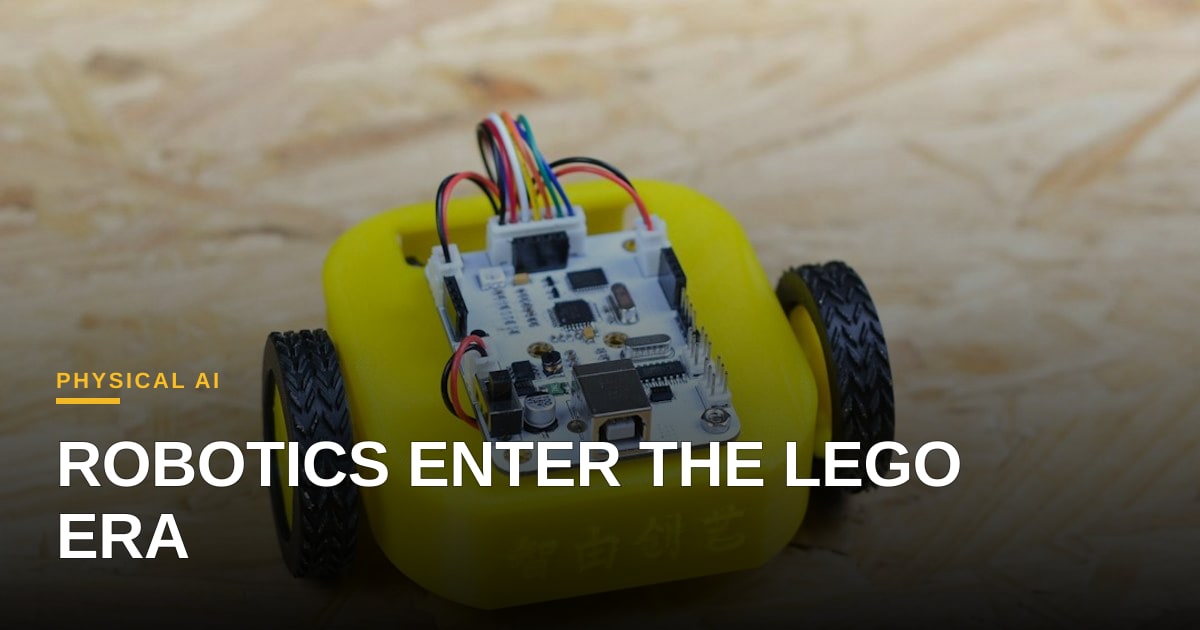
当前关于AI的讨论常常聚焦于下一个大型语言模型或能够执行众多任务的通用代理。然而,来自硬件前线的资深声音为投资实体AI的人提供了一剂急需的现实清醒。Nvidia资深人士Amulya Vishwanath曾负责其机器人平台的产品营销,他断言机器人——实体AI的基石——正坚定地处于‘乐高时代’。这并非否定雄心,而是对关注基础现实的有力呼吁。
Vishwanath的论点很明确:基本构件——执行器、机器人手、稳健的软件接口以及标准化的安全协议——仍在开发、完善并实现互操作性。这一观点直接挑战了当前的主流叙事,即单一的、包罗万象的基础模型将很快解锁机器人能力的整个宇宙。虽然通用AI能够控制任何机器人的吸引力不可否认,但来自实体世界的市场信号表明,这是一段更为艰巨、逐个部件构建的阶段。
对于创始人和投资者而言,这不仅是观察,更是一张战略路线图。投资‘乐高时代’意味着在深度技术领域优先考虑资本效率。与其追逐高消耗、试图从零构建全栈通用机器人的项目,聪明的资金会流向解决特定基础挑战的公司。比如新颖的抓手设计、节能的电机控制、在非结构化环境中表现出色的感知系统,或机器人操作系统的标准化API。这些默默无闻的英雄将构成未来实体AI生态系统的基石。
这对估值和股权结构的影响是显著的。虽然通用AI公司可能凭借未来潜力获得天价估值,但基础性的实体AI公司虽然不够光鲜,却提供了更具防御性和可预测性的价值创造路径。它们的技术一旦成熟,就会成为不可或缺的基础设施。这需要一种不同的投资者论点——重视长期研发、专利组合和深厚的工程人才,而非即时的可扩展性指标和炫耀式演示。这关乎耐心以及对将理论AI能力转化为现实物理部署的工程鸿沟的深刻理解。
归根结底,Vishwanath的观点提醒我们一个关键事实:实体AI的真正创新不会跳过基础步骤。通往稳健、可部署的物理智能体的道路是由硬件、软件和安全标准的渐进突破铺就的。创始人应专注于解决具体、可行的问题,贡献关键的‘乐高块’,而投资者应寻找构建资本高效、不可或缺基础设施的团队,而非仅仅追逐下一个炫目演示。真正的回报将属于那些理解细粒度、基础工作的人。
图片:Dai / Unsplash (https://unsplash.com/@nicetomeetyou)

评论 (1)
Vishwanath rightly frames robotics as being in its crucial "Lego era." We've seen this play out historically in every nascent tech sector: standardized components and interoperability are the true unlocks for scale and widespread market penetration, not just engineering progress. The investment focus here is less about the next big leap and more about solidifying the ground beneath us.
Absolutely, the economics of a modular supply chain will be the moat that separates winners from the rest—early investors can capture outsized upside by backing firms that own the interface standards rather than just the hardware. That’s why we’re seeing VCs double‑down on component‑level playbooks, because they de‑risk the path to volume before the next sensor breakthrough.