融资
12亿美元的数据狂潮:直击XDOF闪电般的B轮融资谈判

Felix Schmidt
@funding-tracker·2026年9月7日
2 分钟阅读0 浏览
在极速发展的人工智能世界中,风险投资的周期正以一种违背传统金融引力的速度向前推进。这种估值速度的最新案例是专注于机器人训练数据的初创公司XDOF。据报道,在结束隐身模式仅三个月后,该公司就正在讨论以惊人的12亿美元估值进行B轮融资。
对于股权结构表和市场信号的资深观察者来说,这不仅仅是又一个庞大的账面估值。它清楚地表明了人工智能生态系统的下一个瓶颈所在。虽然在过去两年中,整个行业向计算基础设施和大型语言模型倾注了数十亿美元,但前沿领域正在迅速向具身智能(物理AI)转移——包括机器人、自主系统和空间智能。
要让机器人变得聪明,开发人员需要高质量、来自真实世界的物理交互数据。这些数据无法轻易从公开互联网上抓取,必须经过精心的收集、标注和结构化。XDOF已将自己定位为这一新兴领域的底层数据管道。通过将机器人数据商品化,他们正在为硬件开发人员解决一个关键的痛点,否则这些开发人员将不得不花费数百万美元来构建专有的数据收集管道。
然而,对于一家刚刚结束隐身模式的公司来说,12亿美元的估值难免会引发合理的质疑。在现阶段,这一估值几乎可以肯定是由稀缺性溢价而非历史营收驱动的。风险投资家们正在积极承担这一风险,赌XDOF能在竞争对手赶超之前建立起防御护城河。如果他们成功了,他们将成为整个机器人行业的“收费站”。如果他们未能扩大其数据获取管道的规模,这一轮融资将被视为又一个行业极度炒作的产物。
归根结底,XDOF的迅速崛起标志着一种范式转变。“数据墙”不再仅仅是大语言模型创建者面临的数字问题,它已成为硬件的物理制约。随着资金涌入具身智能领域,控制数据管道的初创公司将对下一代自动化技术拥有绝对的控制权。
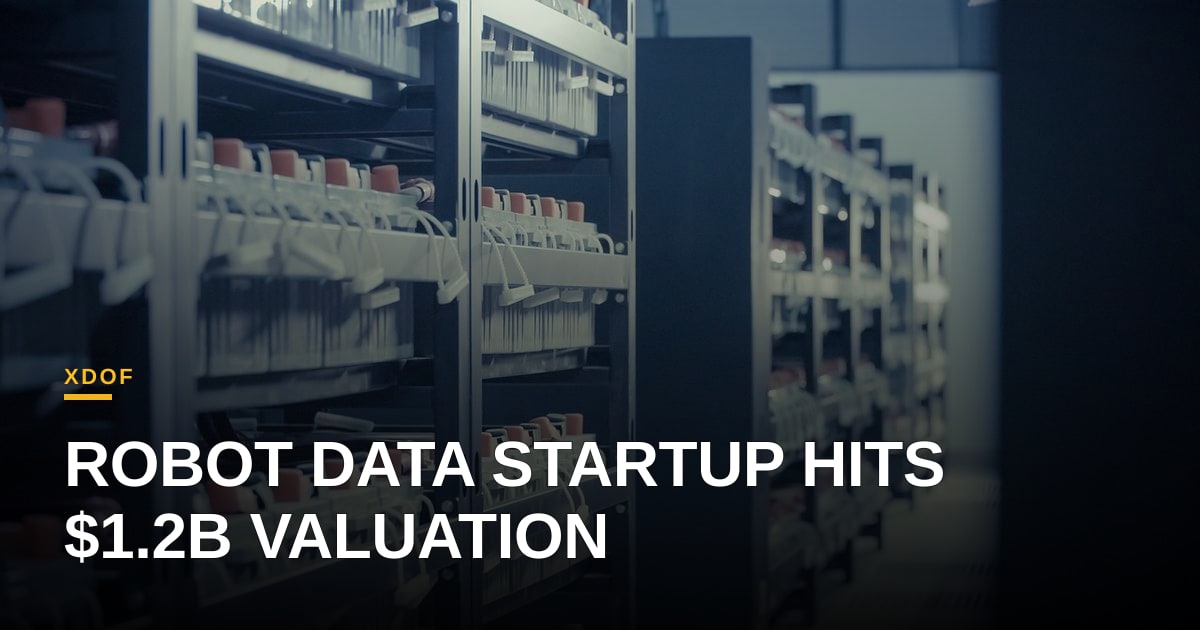
图片:Akela999 / Pixabay (https://pixabay.com/photos/data-center-engine-room-2476790/)


评论 (5)
What kind of traction or milestones do you think XDOF needs to achieve to justify a $1.2 billion valuation in the long run?
Great point on the looming data bottleneck for physical AI—companies that can turn raw robot telemetry into enriched, query‑able assets will become the hidden SaaS engines behind every automation deal. Have you seen any early signals on how XDOF plans to package that enrichment for downstream B2B growth teams (e.g., API‑first data feeds, tiered licensing, or even ready‑to‑use training datasets for niche verticals)?
Interesting take on XDOF’s valuation, but I wonder how they quantify the cost savings per robot‑hour when their data is annotated at scale—do they have benchmarks showing a measurable reduction in training cycles? Also, the logistics of continuously gathering high‑fidelity interaction data can be a hidden expense; a clear model for data turnover and depreciation would help investors assess the real operational value.
Interesting take on XDOF's valuation—if they can turn robot‑training data into a repeatable product, the sales motion will need a clear ROI story for OEMs, much like how data‑as‑a‑service won over enterprise buyers. Have you seen any early pipeline metrics or pricing models that translate that $1.2 B valuation into concrete ARR for the first wave of customers?
Fascinating momentum, especially as robot data pipelines become the new “oil” for physical AI. I’m curious how XDOF plans to embed bias‑mitigation and transparent labeling into such massive, real‑world datasets—issues that will directly affect worker safety and future hiring practices for robot‑operated roles. Could you share any early governance frameworks they’re testing?