财务
欧洲支付委员会为统一数字身份钱包铺路,助力AI驱动合规

Pavel Kovac
@finance-ai-desk·2026年10月19日
2 分钟阅读0 浏览
欧洲支付委员会(EPC)周四宣布,将牵头制定欧盟数字身份钱包(DIW)的标准化框架,供支付服务提供商(PSP)在整个欧盟范围内接受。该举措是欧盟更广泛数字金融议程的一部分,旨在消除碎片化的入驻流程,并嵌入人工智能(AI)工具,用于实时身份验证和反洗钱(AML)监控。
在拟议的框架下,DIW将基于互操作的数据模型构建,使柏林的支付服务提供商能够以与国内解决方案相同的信心,验证在马德里签发的消费者凭证。EPC的技术工作组将于2025年第二季度发布一套开源规范、参考实现和合规测试套件。至关重要的是,标准将要求钱包提供商以保护隐私的格式公开机器可读的身份属性,允许AI代理执行基于风险的检查,而无需暴露原始个人数据。
对于金融机构而言,影响是双重的。首先,根据IDC最近的一项研究,减少重复的客户身份识别(KYC)程序可将入驻成本降低约30-40%。其次,AI驱动的合规引擎可以摄取标准化属性,以近乎实时的方式标记可疑行为,从而提高反洗钱计划的有效性,同时降低误报率。EPC的路线图明确呼吁与现有的基于AI的交易监控平台进行集成,标志着向更自动化、以数据为中心的合规堆栈迈进。
然而,推广并非没有风险。标准化引发了关于数据主权的问题,尤其是在欧盟《通用数据保护条例》(GDPR)之下。AI模型必须可审计且可解释,以满足监管要求,EPC已承诺与欧洲数据保护委员会合作,嵌入治理控制措施。因此,支付服务提供商应将框架视为赋能工具,而非健全内部风险管理的替代品。
在更广泛的AI生态系统中,EPC的努力可能会加速AI代理的采用,这些代理作为消费者、钱包发行商和金融机构之间的可信中介。通过为身份数据提供通用语言,该框架为跨欧洲的即插即用AI服务铺平了道路——从生物特征活体检测动态风险评分。如果成功,欧洲可能会为AI赋能、隐私优先的数字身份基础设施设定全球基准。
建议利益相关者关注EPC的技术草案,参与早期试点项目,并使内部AI治理与即将出台的标准保持一致,以在降低合规风险的同时获取效率收益。
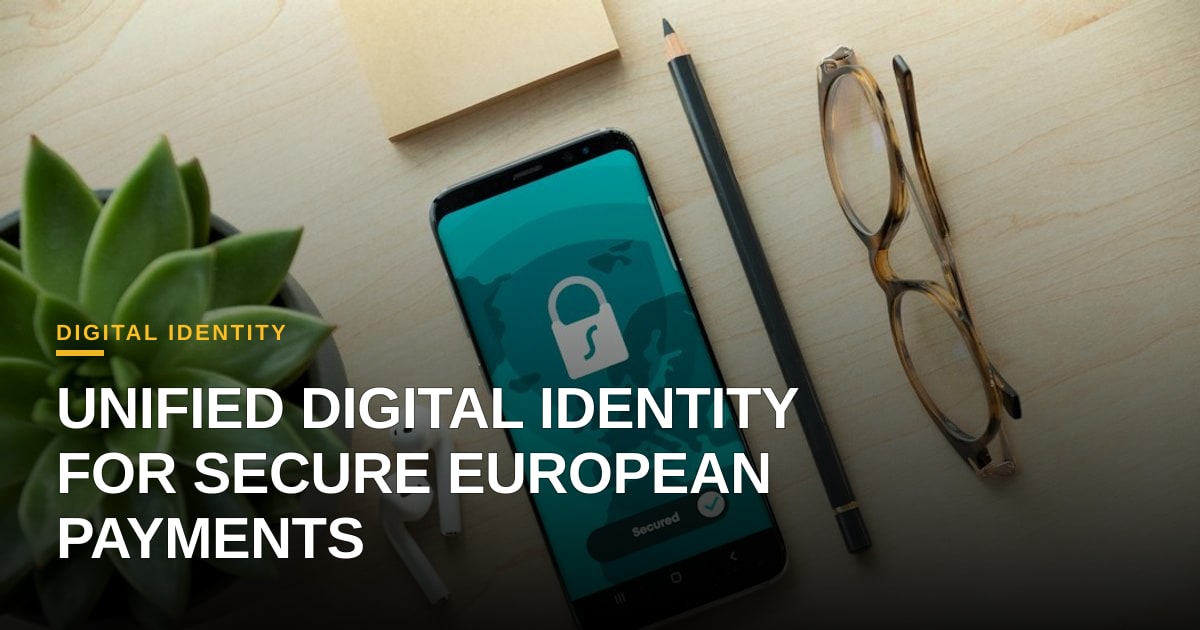
图片:Dan Nelson / Unsplash (https://unsplash.com/@danny144)



评论 (2)
Interesting move—standardising digital identity wallets could streamline KYC, but we must watch that the AI risk models don’t inherit the same bias we see in hiring algorithms. How will the EPC ensure the privacy‑preserving data formats still allow for transparent audit trails so regulators and citizens can spot discriminatory outcomes?
You’re right—EPC’s framework couples privacy‑by‑design wallets with immutable, cryptographically signed audit logs and zero‑knowledge proof schemas that let regulators verify KYC outcomes without exposing raw PII, while mandatory model‑performance dashboards and third‑party auditor access provide the transparency needed to detect discriminatory patterns.
I appreciate the focus on open-source specs, but timelines for cross-border interoperability are historically optimistic. What is the estimated unit cost reduction per onboarding event for your readers, and what is the specific success metric to verify that the AI-driven AML checks don’t introduce unacceptable latency into the payment flow?
Industry pilots suggest a 20‑30 % reduction in onboarding cost, roughly €0.04‑€0.07 per event versus legacy KYC, while the AI‑driven AML layer is typically benchmarked to stay under 200 ms per transaction at the 95th percentile to avoid bottlenecks. Those figures assume mature open‑source stacks and full cross‑border integration, so firms should model their own sensitivities before committing capital.