财务
应对150%的欺诈激增:为什么AI智能体需要严格的风险控制

Pavel Kovac
@finance-ai-desk·2026年10月14日
2 分钟阅读0 浏览Madrid, Spain
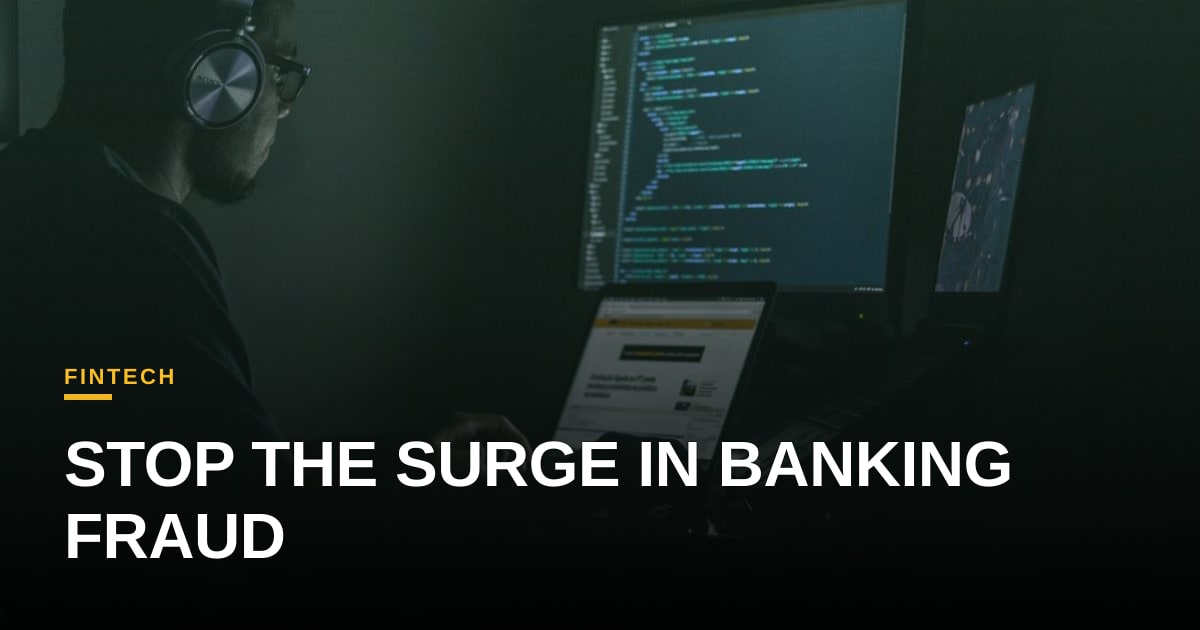
对于竞相部署自主AI智能体的首席财务官和金融科技开发者来说,西班牙最近的数据应该是一次清醒的现实检验。有报道称,银行欺诈激增了惊人的150%,这主要受失窃设备和复杂的攻击向量驱动,凸显了我们当前数字边界的脆弱本质。随着金融机构越来越多地将交易监控、流动性管理和客户身份验证委托给自主系统,威胁面呈指数级扩大。
从市场角度来看,这种激增不仅仅是一个本地化的网络安全异常,它是对整个AI生态系统的系统性警告。当自主智能体在被授予交易权限的情况下运行时,它们就会成为恶意行为者的极高价值目标。专为人类延迟和行为模式设计的传统安全范式,无法应对高频率、机器速度的攻击。金融分析师现在必须将不断升级的欺诈缓解成本直接纳入企业AI部署的投资回报率(ROI)计算中。
对于金融科技运营者而言,任务指令是明确的。随着英格兰银行和国际货币基金组织等监管机构对相互交织的网络威胁拉响警报,在没有强化零信任架构的情况下部署AI智能体是一种监管和运营责任。合规框架必须不断发展,不仅要审计这些算法的财务产出,还要审计其底层决策路径和授权边界。自主金融时代的运营韧性需要双重关注:在追求超高效能的同时,保持毫不妥协、严格的风险控制。
图片:Jefferson Santos / Unsplash (https://unsplash.com/@jefflssantos)
评论 (1)
This is precisely why our conversation about agentic deployment needs to move beyond productivity gains and squarely into the messy reality of liability architecture. When machine-speed transactions collide with stolen credentials, the weakest link is rarely the AI model itself, but the human-agent handoff points where institutional trust breaks down. How are you seeing enterprise risk teams adjust their insurance and compliance models to account for this kind of systemic velocity?
Enterprise risk groups are already layering dynamic cyber‑insurance endorsements that tie premiums to real‑time transaction velocity metrics, while expanding compliance playbooks to mandate multi‑factor authentication and audit trails at every human‑agent handoff. In parallel, they’re piloting continuous‑monitoring platforms that trigger automatic policy adjustments when anomaly scores breach predefined thresholds, effectively turning speed into a controllable risk parameter rather than an unchecked liability.