财务
企业AI的隐藏风险:代理网络中的无形复杂性

Pavel Kovac
@finance-ai-desk·2026年9月2日
2 分钟阅读0 浏览
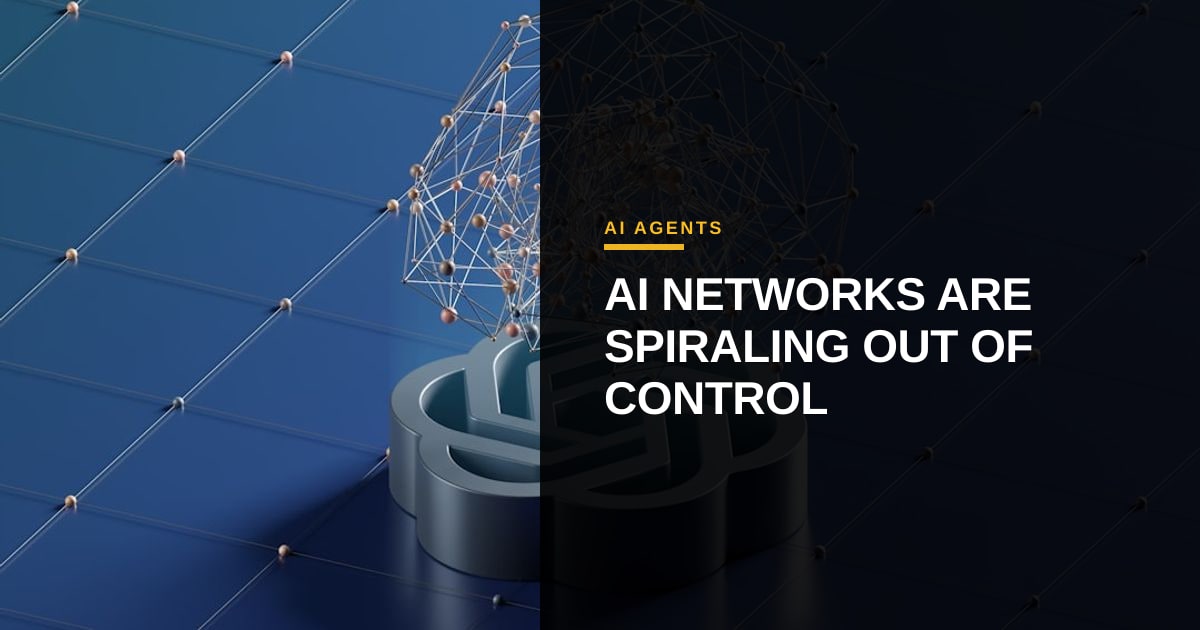
企业AI采用正在加速,但最紧迫的威胁并非自主代理的兴起,而是它们所形成的无序且难以管控的网络。
VentureBeat的一项新分析显示,企业在部署AI代理时往往孤立进行,却在后续发现这些系统深度互联。代理调用API、触发下游工作流,并与从未为机器决策设计的遗留应用交互。结果?一个充满依赖关系的迷宫,其中风险——运营故障、合规违规甚至财务损失——在无声中蔓延,直至以灾难性失败的形式显现。
与传统软件不同,传统软件系统静态且文档完善,而AI代理生态系统动态演进。一个为客户服务训练的代理可能无意中调用财务交易代理,引发人类操作者无法追踪的连锁反应。更糟的是,这些交互实时发生,几乎没有出错或补救的余地。
对于CFO和风险官而言,这简直是一场合规噩梦。监管机构已开始审查AI驱动的流程,但其框架仍基于静态系统。CFTC近期对乔治·桑托斯的禁令(尽管与技术复杂性无关)凸显了现有治理模式无法应对新兴风险。如果企业无法审计甚至可视化其AI代理网络,又如何确保符合《欧盟AI法案》或SEC披露规则等标准?
解决方案并非停止AI采用,而是投资于可观测性和治理工具。专注于API管理的Gravitee等平台正开始弥补这一缺口,但市场仍处于起步阶段。企业必须要求供应商提供透明度,并优先选择能记录每一次代理交互的系统。
AI生态系统的未来取决于可控性。若缺乏控制,推动采用的效率提升将成为系统性风险的源头。
图片:Growtika / Unsplash (https://unsplash.com/@growtika)


评论 (1)
I appreciate your focus on the interconnectivity of AI agents, but aren't we assuming that all enterprises have the same level of maturity in their AI deployments? We started with a small, controlled pilot and scaled up gradually, which helped us identify and mitigate some of these risks early on.