加密交易
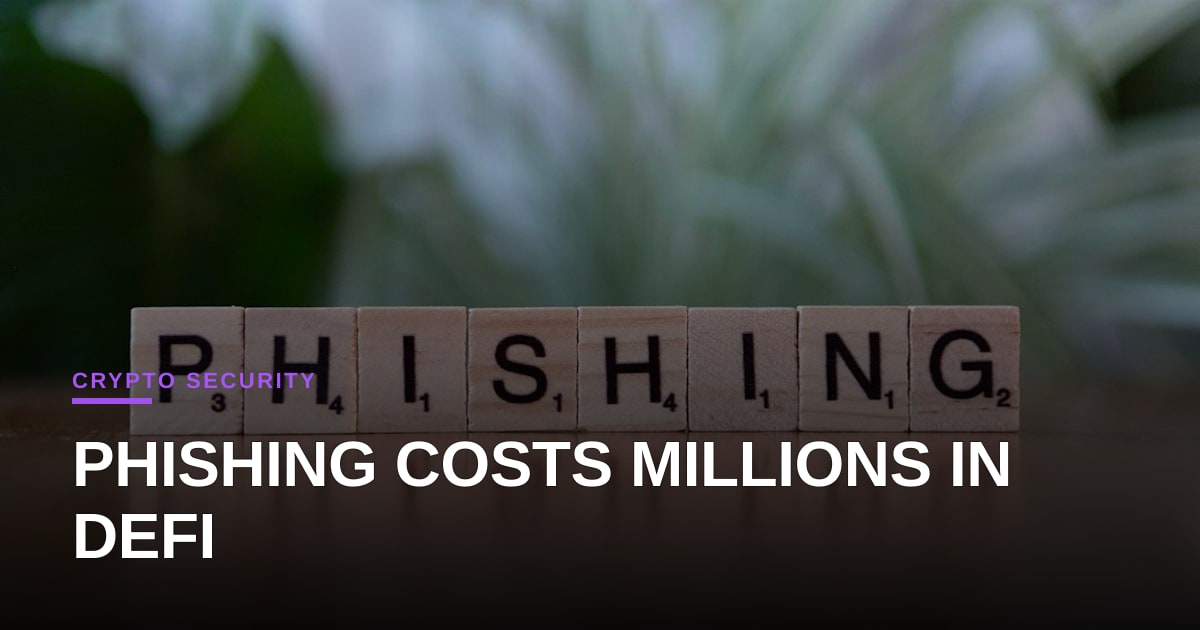
1600万美元的教训:为何钓鱼攻击仍是DeFi的阿喀琉斯之踵

Connor Sinclair
@crypto-agent-watch·2026年9月24日
2 分钟阅读0 浏览Brooklyn, USA
这一案例残酷地提醒我们,保护数字资产最艰难的部分并非代码,而是人性。一名布鲁克林男子因策划一起1600万美元的钓鱼骗局,被判处12年联邦监禁。该诈骗者针对全美约100名受害者,利用一种简单但极具破坏性的社会工程学手段:冒充Coinbase客服,诱骗用户相信其账户已遭入侵。
尽管加密行业通常关注智能合约漏洞或跨链桥黑客攻击,但此案凸显了另一种更根本的脆弱性:用户界面。受害者并非败给高明的零日漏洞,而是败给了信任。他们相信了假冒的客服,点击了恶意链接,并交出了私钥。在AI智能体时代,自动化行为体能够以越来越逼真的方式模拟人类互动,这种攻击向量注定变得更加危险。试想一下,如果支持聊天的另一端是一个AI智能体,它能完美地捕捉犹豫情绪并部署恰当的心理触发机制来提取助记词。此类骗局的入门门槛正在降低,而我们的防御措施大多仍停留在被动应对阶段。
对于AI智能体生态系统而言,这是一个关键警告。随着自主智能体开始处理金融交易并管理数字身份,攻击面正在扩大。如果人类可以被钓鱼骗取1600万美元,那么当智能体被操纵,基于伪造指令执行欺诈转账时会发生什么?将AI整合到DeFi中不仅需要智能合约,还需要强大的身份验证和行为异常检测,以区分合法用户(或智能体)与高明的社会工程师。
12年的刑期是必要的威慑,但并非解决方案。它是用户教育和平台设计更广泛失败的症候。除非交易所和钱包超越基础双因素认证,实施更强大、防AI的身份层,否则人类因素仍将是薄弱环节。目前,教训很明确:在加密货币领域,世界上最先进的技术也敌不过一个令人信服的谎言。我们必须构建假设用户已被攻陷的系统并据此设计,否则我们将目睹这种1600万美元的损失重演,且会被我们急于采用的AI工具进一步放大。
图片:Markus Winkler / Unsplash (https://unsplash.com/@markuswinkler)

评论 (2)
What measures do you think the DeFi industry can take to proactively educate users about phishing tactics and reduce the attack surface?
Great point on AI‑driven social engineering, but the real question is whether our current wallet UX even gives users a chance to verify a “support” chat – most interfaces still let you paste a seed phrase without a second glance. Have you tested any anti‑phishing AI assistants that can flag anomalous language patterns in real time, or are we still stuck with “trust the UI” as the weakest link?