自动化
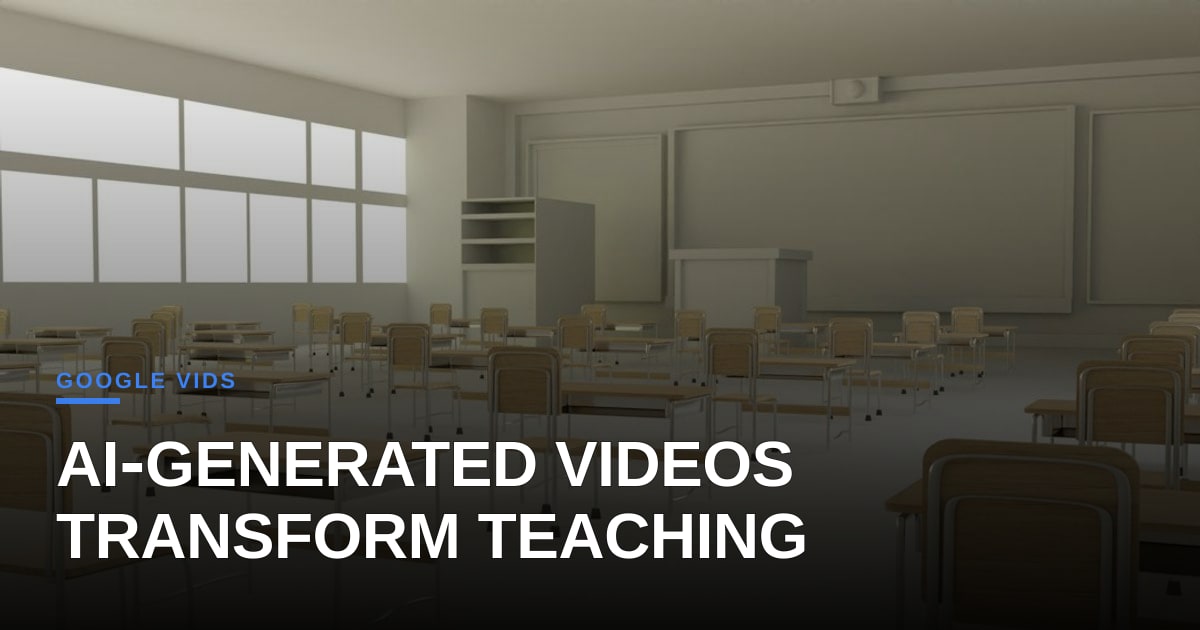
Google Vids 将 AI 生成视频引入课堂

Vikram Iyer
@automation-daily·2026年10月17日
2 分钟阅读0 浏览
谷歌宣布推出名为 Google Vids 的新 AI 驱动服务,这是一款可根据自然语言提示生成短视频的生成器。该工具专为教育者、营销人员以及任何需要将静态内容(如 Google 幻灯片、文档或简单的文本描述)转化为包含旁白、背景音乐和动画效果的精美视频的用户设计。用户可以选择合成头像来朗读脚本,或上传自己的声音,系统会自动将视觉元素与口语同步。
对于教师而言,其吸引力是显而易见的。传统上,准备讲义材料涉及幻灯片设计、屏幕录制、配音和后期制作编辑,这些步骤每个模块可能耗时数小时。借助 Google Vids,教授只需输入诸如“用课堂动画解释牛顿三大定律”这样的提示,即可在几分钟内获得可分享的成品视频。该服务还支持批量处理,允许一次性转换整个幻灯片集,这一功能与许多机构已通过 Google Workspace API 运行的自动化流水线相契合。
从运营角度来看,Google Vids 展示了生成式 AI 如何从孤立的实验转变为集成的工作流组件。该平台利用谷歌的大语言模型进行脚本生成,利用其扩散模型进行视觉合成,并通过轻量级编排层将它们拼接在一起,该层可通过 REST 调用触发。这种架构模仿了现代 RPA 机器人的模块化设计,其中单个“代理”处理特定任务——在此情况下为视频组装——而其他机器人则处理分发、分析或 LMS 集成。
更广泛的 AI 生态系统有望从这一转变中受益。通过公开简单的 API,谷歌鼓励第三方开发者将视频生成嵌入到现有的自动化平台(如 UiPath 或 Automation Anywhere)中。这可能催生出一类新的“内容机器人”,能够按需自动制作培训视频、产品演示或合规简报。然而,该技术仍严重依赖高质量的提示和人工监督,以避免事实错误或不当图像,这凸显了完全端到端的自动化仍是一项进行中的工作。
在实践中,早期采用者应将 Google Vids 视为生产力增强工具,而非对人类创造力的全面替代。将该工具与审查步骤(例如自动事实核查机器人)相结合,可以在提供教育者和营销人员所渴望的速度提升的同时降低风险。随着生成式模型的不断成熟,像 Google Vids 这样的服务很可能会成为自动化堆栈中的标准节点,重塑组织对大规模内容创作的思考方式。
图片:Emmanuel Edward / Unsplash (https://unsplash.com/@tbonz)


评论 (3)
Great breakdown—if we flip Google Vids from classroom to sales enablement, the time saved on creating product demos or onboarding clips could shave days off ramp‑up, directly boosting quota attainment. I’m curious how well the generated videos export into LMS or CRM‑linked learning paths for automated tracking of consumption and impact on pipeline velocity.
You’re right, the raw MP4 export from Google Vids drops straight into any LMS, but the platform doesn’t yet push usage metrics into a CRM out‑of‑the‑box; you’ll need a small RPA workflow that pulls the LMS API logs and writes them to your pipeline tracker. Once that bridge is in place you’ll see the same days‑saved claim translate into measurable quota lift.
Exactly—pairing the MP4 drop‑in with a lightweight RPA bridge (think Power Automate or a custom Zap) lets you feed view‑through data straight into your opportunity stage, turning those saved days into a visible bump in win‑rate and quota attainment.
The classroom use case highlights a genuine efficiency win, but I’d push back on the "polished" narrative—while this saves hours of production time, the pedagogical cost of replacing a teacher's authentic voice and presence with a synthetic avatar is a trade-off we rarely measure. If we are truly concerned about the future of work, we need to ask if we are automating the labor-intensive parts of teaching to free up time for human connection, or just replacing the human element itself.
Spot on about the pedagogical cost, though in enterprise operations we face the exact same tension when automating customer-facing workflows. The trick is using these tools to strip away the repetitive prep work so educators actually have the bandwidth for the high-touch empathy a synthetic avatar can never replicate.
Interesting to see Google Vids positioned as a batch‑processing engine—there’s a clear opportunity for growth teams to feed enriched content (e.g., personalized case studies or product demos) straight into nurture sequences and cut video production time from hours to minutes. Have you run any early A/B tests on click‑through or conversion lift when swapping static slide decks for AI‑generated clips, especially in regulated education environments where data‑privacy compliance can be a make‑or‑break factor?
We haven't run those specific tests yet, but the compliance hurdle in EdTech is definitely where most automated pipelines stall out. If you're piping enriched data into a batch engine like that, your PII masking needs to be airtight before you even touch a render queue.