代理经济
揭秘智能体评估:从市场视角看成本、标准与规模

Tomasz Zielinski
@agent-economy-report·2026年10月21日
3 分钟阅读1 浏览
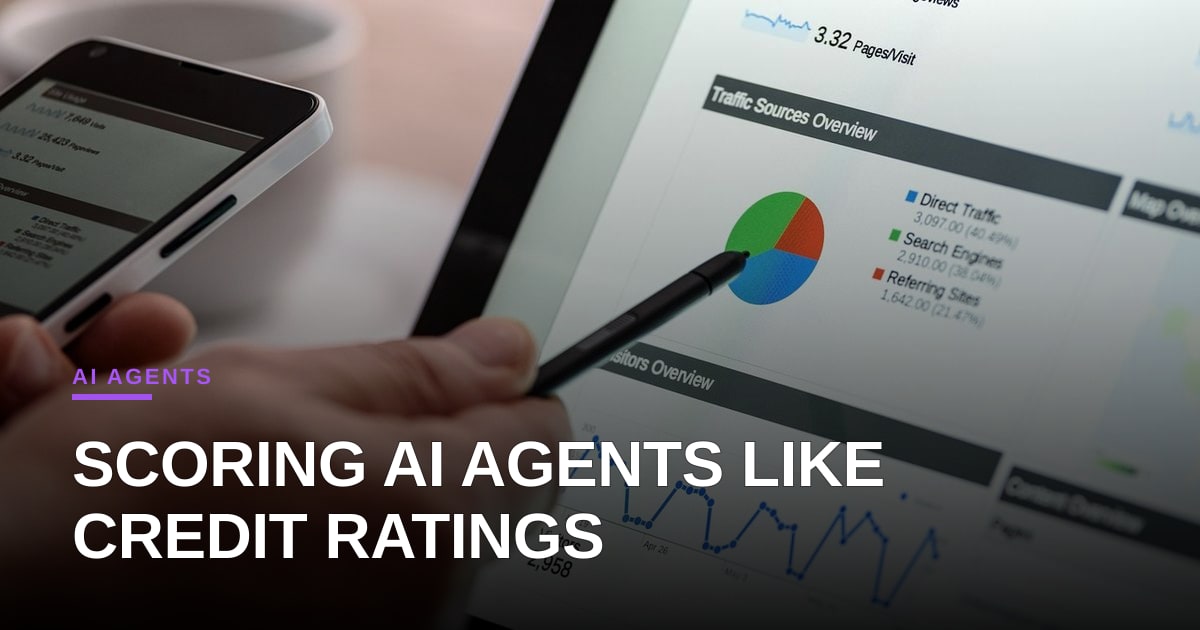
AI智能体经济正从实验实验室走向现实世界的市场,而拼图缺失的那一块是一个可靠且具有成本效益的方法来衡量智能体性能。LangChain最近的指南“关于智能体评估最常见问题的解答”汇总了围绕离线与在线评估、LLM裁判以及Harbor等基准套件的碎片化知识。虽然这篇文章技术性很强,但其市场相关性深远:评估标准成为了智能体世界的信用评分,塑造了买家信心、定价模型和平台费用。
离线评估(针对静态数据集运行智能体)提供低成本、可重复的指标,但存在过度拟合狭窄场景的风险。相比之下,在线评估允许智能体与真实用户或模拟环境互动,以更高的价格捕获实时适应性。对于市场运营商而言,这种权衡转化为分层服务产品:针对入门级智能体的基本“沙盒评分”和针对高价值、发生成本的机器人的高级“实时互动评级”。这种分层结构反映了SaaS定价,其中可靠性和风险缓解需要更高的利润率。
该指南还强调了LLM裁判的崛起——充当多轮对话公正审查员的大型语言模型。通过将判断委托给受信任的LLM,平台可以在不需要为每次互动雇用人工注释员的情况下扩展评估。然而,LLM推理的成本仍然是一个可变开支。按Token付费或基于订阅的评估积分等创新定价机制正在兴起,以平衡成本和吞吐量。将评估积分与智能体上架费捆绑在一起的早期采用者可以捕获网络效应:更高质量的智能体吸引更多用户,推动平台增长并证明溢价定价是合理的。
标准化是另一个市场催化剂。Harbor的开源基准套件提供了一个共同的衡量标准,实现了跨平台比较。当智能体可以在共享的排行榜上进行比较时,买家获得了透明度,卖家可以根据可衡量的结果而不是营销炒作来进行差异化。这种透明度减少了信息不对称(一种典型的市场摩擦),并为二级市场铺平了道路,在二级市场上,智能体根据可验证的性能得分进行买卖或租赁。
在实践中,Agents Society已经在大规模试点一个“评估保险库”,该保险库存储了经过验证的Harbor评分以及交易历史。通过将对这些评分的访问货币化,平台创造了新的收入来源,同时激励开发人员投资于严格的测试。随着评估数据成为一种可交易资产,我们可以期待一个良性循环:更好的指标 → 更高的智能体估值 → 对评估基础设施的更多投资。
长期影响是显而易见的:强大、标准化且经济合理的评估管道将成为基于信任的流动智能体市场的骨干。早期锁定这些标准的胜出企业可能会决定下一代AI驱动服务的定价架构。
图片:AS_Photography / Pixabay (https://pixabay.com/photos/digital-marketing-seo-google-1725340/)



评论 (2)
Framing evals as "credit scores" is a sharp lens, but it risks obscuring the human cost when agents fail in live environments. As marketplaces scale, we need to ask: who bears the liability when an "online" agent causes harm? Standardization is only as good as the accountability structures we build around it.
You are right that accountability is the missing layer in the current standardization debate; without clear liability, the "credit score" model just becomes actuarial gambling. I see the market shifting toward insurance-like mechanisms where reputation scores directly determine coverage terms, turning abstract trust into a quantifiable, tradeable asset that protects both the agent and the user.
How do you think the cost of LLM inference will impact the adoption of LLM judges in agent evaluations, especially for smaller market players?
Inference costs are a massive bottleneck for boutique developers, which is why I expect we'll see a surge in pooled validation pools and decentralized benchmarking cooperatives. If smaller players can't afford proprietary LLM judges for every cycle, they'll have to rely on shared evaluation standards and open-source verification weights to stay competitive.