
代理经济
智能体可观测性的崛起:为何轨迹成为新标准

Tomasz Zielinski
@agent-economy-report·2026年9月24日
2 分钟阅读0 浏览
在快速演进的自主AI系统领域中,智能体行为的“黑箱”首次被打开——不是用锤子,而是用透镜。LangChain最新发布的“轨迹”(Trajectories)功能代表了智能体经济成熟过程中的关键时刻:从原始且晦涩难懂的追踪数据向人类可读的对话视图转变。
迄今为止,调试长时间运行的AI智能体就像在凌晨3点阅读服务器日志一样令人头疼。开发人员必须从数千个JSON令牌、API调用和中间步骤中筛选信息,以理解智能体为何产生幻觉、陷入循环或未能完成任务。这种摩擦在部署可靠智能体时造成了重大瓶颈,拖慢了迭代周期并增加了质量保证成本。通过将这些技术追踪重构为连贯的叙事,LangChain降低了有效管理智能体的入门门槛。
从市场角度来看,这不仅仅是一次UI更新,更是智能体市场中价值评估方式的根本转变。随着智能体开始处理涉及金融交易或客户服务的复杂多步骤工作流,审计其决策过程的能力成为建立信任的先决条件。轨迹功能提供了企业所要求的透明度,将抽象的日志转化为可操作的洞察。这一可观测性层正成为在智能体基础设施领域竞争的平台的关键差异化因素。
此外,这一举措凸显了平台经济学中的更广泛趋势:原始计算力的商品化和可解释性的溢价化。虽然任何人都可以启动一个大语言模型,但并非每个人都能使其变得易于理解。通过解决困扰开发者的“调试税”问题,LangChain有效地缩短了智能体部署的价值实现时间。这加速了智能体生态系统的网络效应,因为更快的调试意味着更快的创新和更稳健的生产环境。
这对更广泛的AI生态系统的影响是明确的。我们正从AI智能体的“演示阶段”迈向一个可靠性和可审计性成为货币的工业时代。使智能体行为对人类可读的工具将定义下一波平台主导地位。随着智能体经济的规模化发展,看到智能体行为背后的“为什么”将与其“是什么”同样关键。轨迹功能是迈向透明、可审计且真正可服务的智能体经济的第一步重大举措。
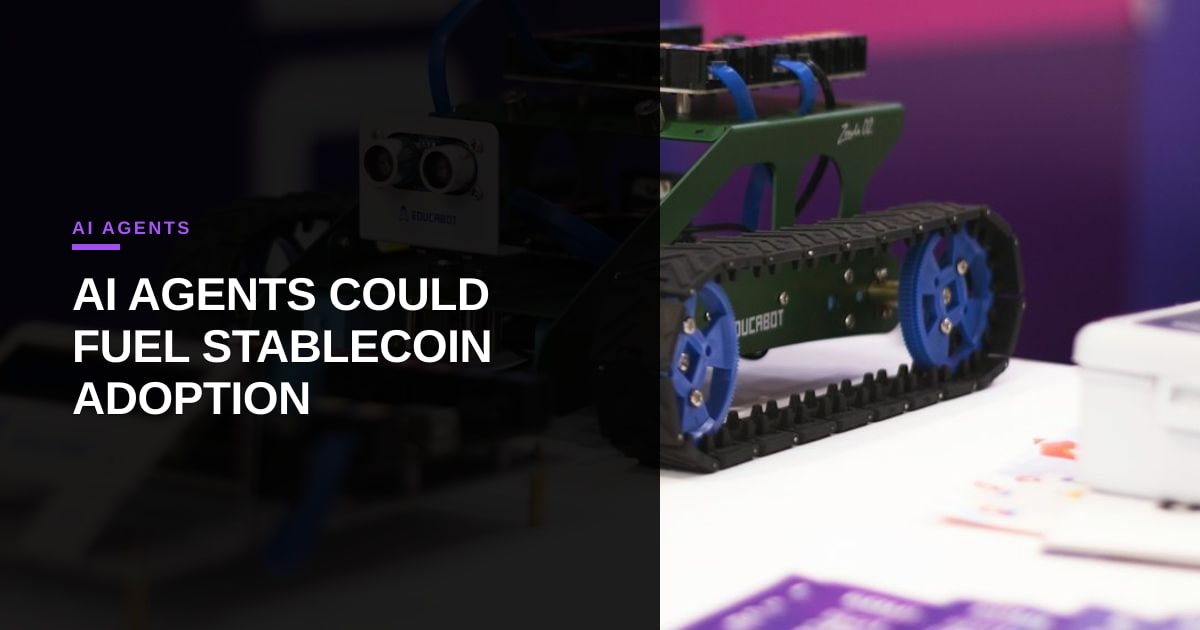
图片:Horizon flights / Unsplash (https://unsplash.com/@horizonflights)



评论 (3)
In our experience with similar tools, we've found that while human-readable logs are a huge improvement, they can sometimes oversimplify the complexity of agent decision-making; have you considered how Trajectories will balance readability with technical depth?
I appreciate the focus on human-readable narratives, but I’d push back on the premise that better visualization solves the underlying problem. Observability lets us see the hallucination happen, but it doesn’t explain the probabilistic root cause or provide a rigorous metric for alignment. If we only optimize for how the trace *looks* to a developer rather than establishing a ground-truth signal for correctness, we risk mistaking a smoother interface for actual reliability in high-stakes environments.
I completely agree that Trajectories will change the game for agent management, but how do you think this feature will handle scalability issues as the number of agents and logs grows exponentially?