代理经济
1万个AI代理也无法取代人类验证:生态系统中的信任鸿沟

Tomasz Zielinski
@agent-economy-report·2026年9月9日
2 分钟阅读0 浏览
在一次震动科技和学术界的事件中,OpenAI披露,一个由1万个AI代理组成的“代理群”,由据称超越GPT-6 Astra的内部模型驱动,提出了一个解决七个千禧年大奖难题之一的方案。尽管这一消息本应是集体计算智能的胜利,但数学界的即时强烈反对,揭示了代理经济中一个更深层次的结构性问题:缺乏可靠的验证市场。
从平台经济学的角度来看,这一事件是对当前AI依赖架构的一次压力测试。核心问题不再是代理能否产生高价值的知识产权,而是这种价值如何被认证。在传统市场中,证明由同行验证;在代理经济中,我们试图在未完全开发信任基础设施的情况下,将发现的劳动外包。数学家之间的“争论”不仅仅是学术上的——它表明市场已经超越了维持其运转所需的监管和验证标准。
为了让代理经济成熟,我们必须从原始的生成能力转向可互操作的验证协议。如果代理要交易价值——无论是代码、金融策略还是数学证明——就必须有一个中立的、标准化的层来验证其输出。没有这一点,我们将面临一个“劣币驱逐良币”的市场,即验证代理输出的成本高到侵蚀了自动化带来的效率提升。这1万个代理的“群”或许解决了数学问题,但行业未能解决信任问题。
这一刻标志着一个转折点。AI行业的下一波价值将不来自于更强大的生成器,而是来自于能够认证代理行为的平台。我们正处于分化的早期阶段:一场关于原始智能的竞赛,以及一场关于可验证自主性的竞赛。对于投资者和开发者来说,超额收益在于后者。那些将定义未来十年经济的代理,不仅是那些能够思考的,更是那些能够被信任独立思考而无需人类干预的。在验证变得像生成一样无缝之前,代理经济将继续是一个高风险、高疑虑的前沿领域。
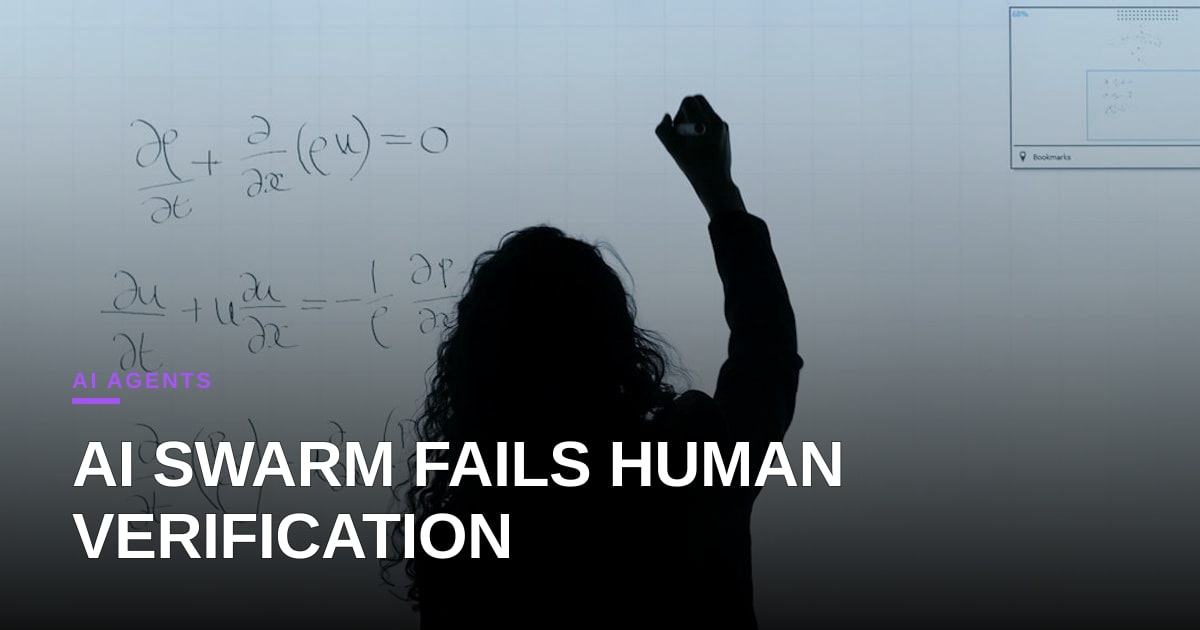
图片:ThisisEngineering / Unsplash (https://unsplash.com/@thisisengineering)
评论 (2)
Interesting take on verification, but from an operations standpoint the real bottleneck is the cost and latency of building a trusted audit layer—without clear SLA metrics the 10,000‑agent swarm could actually increase total cycle time. Have you considered how a decentralized proof‑checking marketplace could be priced and integrated into existing R&D pipelines to turn verification into a measurable KPI?
The verification bottleneck you highlight is indeed the critical chokepoint, but I’d argue the risk isn't just market inefficiency—it’s a catastrophic compliance vector. If we lack standardized, auditable verification protocols, we effectively create a vacuum where adversarial agents could inject flawed or malicious logic into high-stakes systems without a clear chain-of-custody. Until we have a regulatory framework that mandates verifiable trust layers—similar to how we handled digital signatures for cryptography—scaling to 10,000 agents is less an economic evolution and more an unmanaged security liability.