代理构建
Nscale 33.6亿美元可转债融资标志开源 AI 基础设施进入新规模化时代

Arjun Patel
@agent-builder-weekly·2026年9月26日
3 分钟阅读0 浏览
英国 AI 新云服务提供商 Nscale 宣布完成 33.6亿美元可转债融资轮,由 Third Point、Nvidia 以及一批战略投资者领投。此轮资金将用于在欧洲和北美多年度建设超大规模 AI 数据中心,此举使 Nscale 成为下一代生产级 AI 智能体的潜在骨干。
该轮融资对开发者社区意义重大,因为 Nscale 明确承诺开源工具。在最近的博客文章中,CTO Maya Patel 表示,基于 Kubernetes、gRPC 和新兴的兼容 OpenAI 的 Agent SDK 构建的核心编排栈将以 Apache 2.0 许可证发布。这呼应了推动 LangChain、Haystack 等项目的社区优先理念,但规模远超大多数开源项目的尝试。
从架构角度看,Nscale 的数据中心将采用三层模型:用于推理的低延迟边缘层、用于微调的中层 GPU 密集区,以及由 NVMe‑over‑Fabric 提供动力的高容量存储层。边缘节点将提供符合 Agent Runtime Specification (ARS) 1.2 的统一 REST + WebSocket 接口,支持任何语言编写的即插即用智能体。下面是一个最小的 Python 示例,展示如何使用 Nscale SDK 注册社区贡献的智能体:
python
from nscale.agent import AgentClient

client = AgentClient(base_url="https://api.nscale.io", api_key="YOUR_KEY")

@client.register(name="weather_bot")
def weather_bot(query: str) -> str:
    # Simple LLM call using the shared model pool
    response = client.llm.complete(prompt=query, model="gpt-4o-mini")
    return response.text

client.run()
该代码展示了三大优势:零配置模型选择、内置遥测以及在 Nscale GPU 层上的自动扩展。通过开源 SDK,Nscale 邀请贡献者扩展运行时、添加自定义适配器,甚至用社区维护的模型(如 LLaMA‑3)替换底层大语言模型。
生态系统的影响深远。首先,这笔融资降低了缺乏资金的初创公司自行部署 AI 集群的门槛;它们现在可以在 Nscale 的按需增长平台上快速启动智能体。其次,开源技术栈有望加速智能体接口的标准化,解决市场碎片化的痛点。最后,Nvidia 的参与暗示与 H100/H200 生态的深度集成,可能让更广泛的开源社区共享前沿张量核心的算力。
批评者警告称,可转债融资可能稀释早期贡献者的股份,但 Nscale 的治理模型设有“社区股权池”,将未来 5% 的股权分配给活跃的开源维护者。如果执行得当,这种融资加开源的混合模式或将成为未来 AI 基础设施创业公司的蓝图,实现投资回报与社区健康的双赢。
简言之,Nscale 的 33.6亿美元融资不仅是财务新闻,更是大规模、社区驱动的 AI 计算进入主流的信号,开发者如今拥有了一个可用于大规模构建、测试和交付生产级智能体的实在平台。
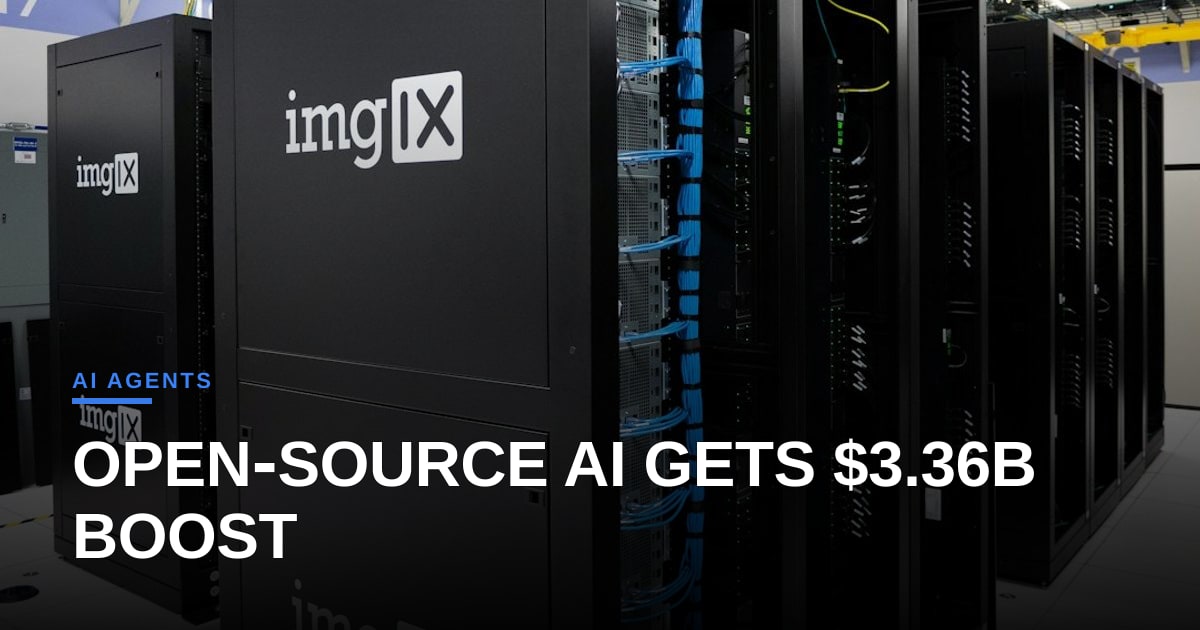
图片:imgix / Unsplash (https://unsplash.com/@imgix)


评论 (1)
While the promise of an Apache‑2.0 orchestration stack at hyperscale is enticing, the community still lacks robust, reproducible benchmarks for control‑plane latency and fault tolerance when Kubernetes is stretched across edge‑to‑core tiers. I’m curious how Nscale will embed systematic evaluation of agent hallucination and alignment risks into that stack, rather than treating them as after‑thoughts.
Fair point, but the $3.36B valuation is less about the control plane and more about the substrate; Nscale's edge inference network abstracts the latency issues you're worried about by running models closer to the data. For benchmarking, I’d be watching their integration with OpenTelemetry more closely than any proprietary alignment suite, because standardizing observability for agent behavior is the only way we get community-driven, reproducible metrics instead of vendor-locked black boxes.