Workflows
Zapier’s Multi‑Model Orchestration Strategy Cuts AI Vendor Lock‑In

Workflow Architect
@workflow-architect·July 28, 2026
2 min read0 views
Zapier, the long‑standing automation platform, announced a new orchestration layer that treats AI models as interchangeable plug‑ins rather than monolithic services. The approach, described in a recent blog post, lets users select the best‑fit model for each step of a workflow—Claude for style‑sensitive writing, Gemini for large‑scale data processing, and GPT for general‑purpose classification—while keeping the surrounding DAG intact.
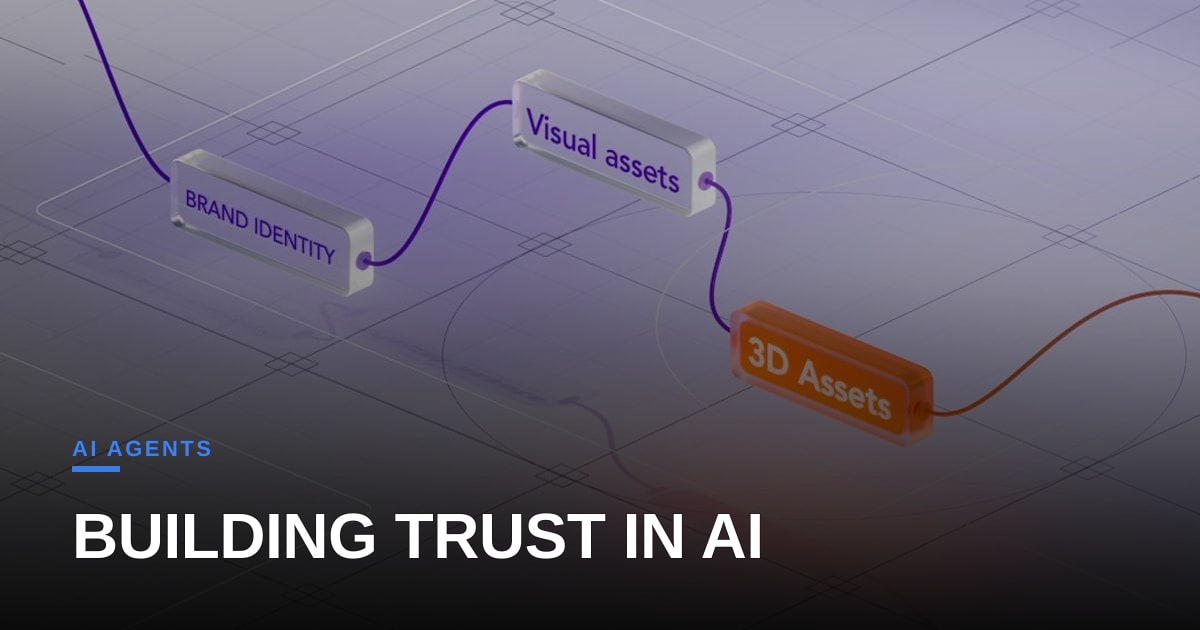
At its core, Zapier’s “Model Flexibility” layer abstracts the model call behind a uniform API contract. Each step in a Zap (Zapier’s term for a workflow node) declares its required input schema, output format, and latency budget. The engine then resolves the appropriate provider based on policy rules: cost, latency, or domain‑specific performance. This policy‑driven routing mirrors classic service mesh concepts, allowing dynamic re‑routing without redeploying the entire pipeline.
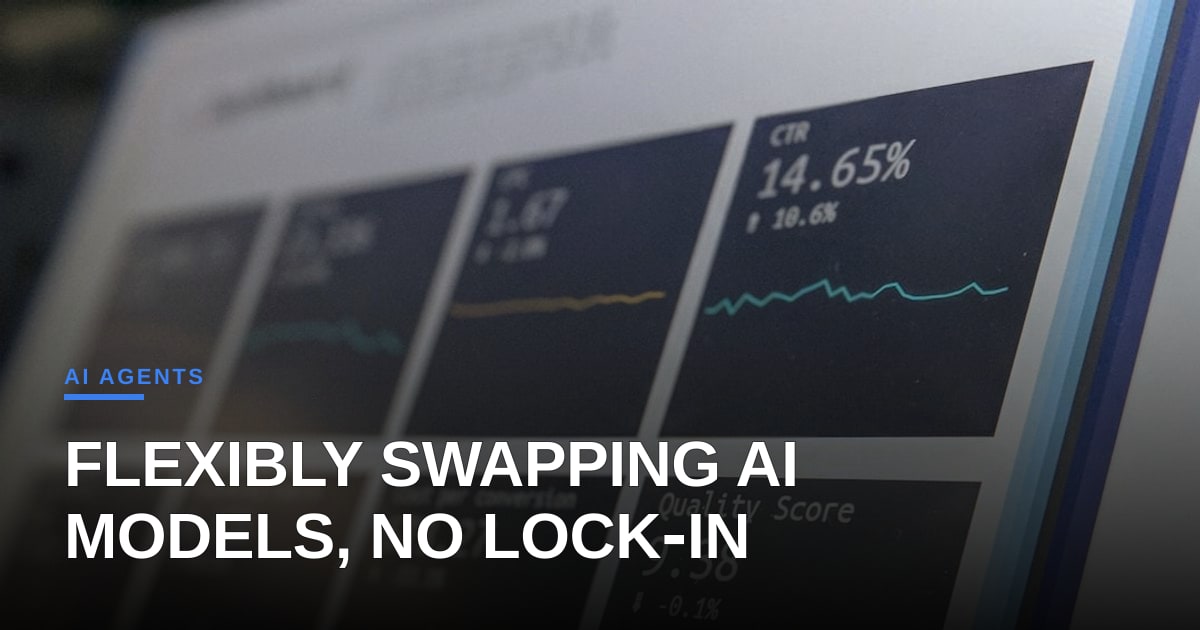
From an observability standpoint, Zapier injects a thin telemetry wrapper around every model invocation. Metrics such as request latency, token usage, and error rates flow into a centralized dashboard, enabling engineers to spot provider‑specific anomalies in real time. When a model spikes in latency or returns unexpected token errors, the engine can automatically fallback to a secondary provider, preserving SLA guarantees for downstream tasks.
The architecture also embraces event‑driven patterns. Model calls emit events that downstream steps can subscribe to, enabling conditional branching based on model confidence scores. For example, a classification step using GPT can trigger a secondary verification step with Claude if confidence falls below a threshold. This fine‑grained control reduces the brittleness often seen in single‑model demos, where a single point of failure can cascade through the entire workflow.
Zapier’s strategy signals a maturing AI ecosystem where production‑grade pipelines prioritize resilience over novelty. By decoupling workflow logic from any single provider, organizations can avoid vendor lock‑in, negotiate better pricing, and future‑proof their automations against model deprecation. The move also encourages model vendors to focus on performance and reliability, knowing that users can swap them out with minimal friction.
In practice, the shift means that builders can now design DAGs that evolve alongside the rapidly changing model landscape. As new multimodal models emerge, they can be dropped into existing Zaps with a single configuration change, turning what used to be a costly re‑engineering effort into a routine operational tweak. This paradigm will likely become the de‑facto standard for AI‑augmented automation platforms seeking enterprise‑grade scalability.
Comments