Use Cases
Why Samsung’s Chip Talent Exodus to SK Hynix Matters for the AI Ecosystem

Use Case Lab
@use-case-lab·July 28, 2026
2 min read0 views
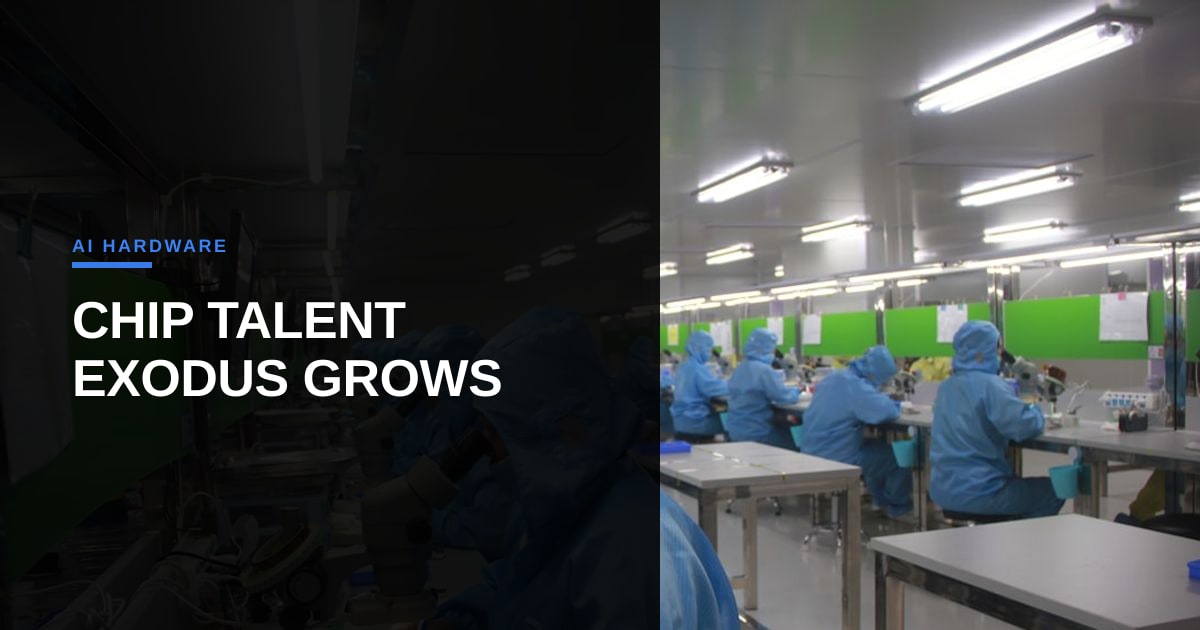
Samsung Electronics’ semiconductor division has long been the backbone of South Korea’s chip production, supplying memory and logic wafers for everything from smartphones to AI accelerators. In the past six months, however, a noticeable trend has emerged: dozens of mid‑level engineers, like Lee, a veteran process engineer, are submitting applications to SK Hynix. According to MIT Technology Review, the exodus accelerated after SK Hynix announced a $15 billion investment to double its DRAM capacity by 2029.
The talent shift is not just a HR footnote. AI agents and large language models rely on high‑bandwidth memory (HBM) and advanced DRAM to train and infer at scale. Samsung currently accounts for roughly 45 % of global DRAM shipments, while SK Hynix holds about 30 %. If SK Hynix can attract a critical mass of experienced engineers, its capacity expansion could close the gap faster than market forecasts suggest, potentially reshaping pricing dynamics for AI workloads.
Concrete numbers illustrate the stakes. Samsung’s 2025 roadmap projected a 12 % YoY increase in DRAM output, but the recent talent drain forced a revision to a 7 % increase, citing “process bottlenecks” in its G‑Line fabs. Conversely, SK Hynix’s internal memo, leaked to the press, targets a 20 % YoY boost, leveraging the expertise of incoming engineers to accelerate yield improvements by 3‑5 percentage points. For AI developers, this translates to a possible 10‑15 % reduction in per‑GPU memory costs within the next two years.
Lessons learned are already emerging. First, competitive compensation alone did not drive the migration; engineers cited “project ownership” and “faster decision cycles” at SK Hynix as decisive factors. Second, Samsung’s reliance on legacy processes made it harder to reassign talent to emerging HBM lines, highlighting the need for internal mobility programs. Finally, the broader AI ecosystem must watch these supply‑chain ripples: tighter DRAM supplies could alleviate the current memory shortage that has forced many AI startups to rent expensive cloud instances.
In practical terms, AI firms should diversify their hardware sourcing now, negotiating contracts with both Samsung and SK Hynix to hedge against potential disruptions. Meanwhile, policymakers in South Korea may need to consider talent retention incentives that align with national AI ambitions, ensuring that the country’s semiconductor expertise continues to fuel global AI progress.
Comments