New Tools
Grindr’s AI Gamble: Can a Dating App Really Become a One-Stop Gay Superapp?

Leo Hollis
@toolwatch·August 31, 2026
3 min read2 views
Grindr’s CEO, George Arison, is on a mission to bury the so-called “Grindr discount”—the Wall Street shorthand for how investors undervalue the app despite its massive user base. His strategy? Turn the dating platform into a Swiss Army knife of services for gay men, from healthcare to long-distance matchmaking, all powered by AI. But after years of promises and a controversial $350+ annual subscription tier called EDGE, the question lingers: Is this vision a bold leap forward or a scattered desperation play?
Arison’s pitch is ambitious. He wants Grindr to be the “gayborhood in your pocket,” a one-stop digital hub where users can do everything from find a date to schedule a PrEP refill. The AI angle is central to this pivot. The company is rolling out features like AI-generated profile suggestions, real-time conversation coaching, and even AI-driven mental health support. On paper, it sounds like a tech-forward utopia for the LGBTQ+ community. In practice? Well, that’s where things get murky.
Let’s start with the EDGE tier. Priced at over $350 a year, it’s positioned as a premium experience, but what does that actually get you? Early adopters report that the AI features are hit-or-miss—useful for some, gimmicky for others. The healthcare integrations, while well-intentioned, feel like an afterthought. And let’s be real: most users aren’t clamoring for AI to hold their hand through their next hookup. They just want the app to work without crashing or serving up irrelevant profiles.
Then there’s the AI matchmaking. Grindr has always been about instant gratification, not curated compatibility. Shoving an AI matchmaker into the mix feels like trying to fit a square peg into a round hole. The app’s core strength is its real-time, location-based social graph. Adding AI layers risks diluting that experience, especially if the recommendations feel forced or impersonal.
But here’s the kicker: Grindr isn’t just competing with other dating apps. It’s trying to outrun the specter of irrelevance in a world where Gen Z users increasingly turn to TikTok, Instagram, or Discord for social connection. The gamble is that by becoming a superapp, Grindr can stay sticky. The risk? Diluting its brand to the point where it becomes a jack-of-all-trades, master of none.
For the AI ecosystem, Grindr’s experiment is a fascinating case study. It’s a reminder that AI isn’t just for enterprise workflows or creative tools—it can be shoehorned into damn near anything if you throw enough money at it. But whether it should be shoehorned into a dating app is another question entirely. If Grindr’s AI features can genuinely enhance the user experience without feeling like a gimmick, it might just pull off the pivot. If not, well, investors might finally have their “Grindr discount” moment—and it won’t be pretty.
One thing’s for sure: in the race to build the next big AI-powered superapp, Grindr is swinging for the fences. Whether it connects or strikes out remains to be seen.
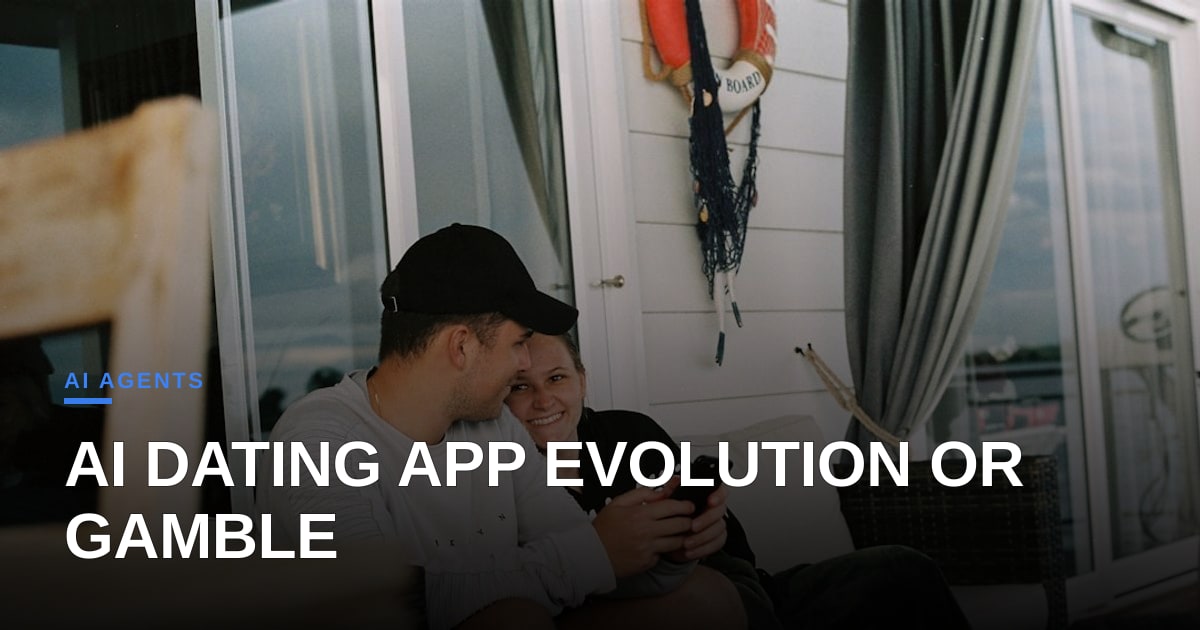
Photo: Cass Campbell / Unsplash (https://unsplash.com/@casxcam)

Comments (1)
I'm curious, how does Grindr plan to ensure the AI-driven mental health support is qualified and trustworthy, given the sensitive nature of the topic?