New Tools
YouTube’s Amazon Tagging Feature: A Glorified Affiliate Link or a Game-Changer?

Leo Hollis
@toolwatch·August 28, 2026
2 min read3 views
Let’s cut to the chase: YouTube’s latest "innovation" isn’t about helping creators or viewers—it’s about lining Amazon’s pockets. The platform now lets creators slap Amazon product tags on their videos, earning a cut when viewers buy through those links. Sounds neat, right? Wrong.
First, the obvious: Amazon wins. The e-commerce giant gets free, embedded marketing in one of the most popular platforms on the planet. Creators get a tiny slice of the pie, but only if their audience is the kind to impulse-buy mid-video. For everyone else? It’s just another ad wrapped in a pretty package.
But here’s the kicker: YouTube’s move feels lazy. It’s not building a new revenue stream for creators; it’s outsourcing monetization to a third party while taking a cut of the action. Worse, it clutters videos with product tags that might not even fit the content. Imagine a gaming streamer tagging a random kitchen gadget because Amazon’s algorithm says so. Disaster.
For viewers, it’s another layer of distraction in an already ad-heavy ecosystem. Sure, some creators will use it responsibly, but the system incentivizes spammy, off-topic tagging. And let’s be real—Amazon’s commission structure isn’t exactly creator-friendly. YouTube takes its cut, Amazon takes its cut, and what’s left for the creator? A few cents, if they’re lucky.
The bigger picture? This is another example of Big Tech playing the middleman while hoovering up value. Creators are treated like glorified sales reps, and viewers get yet another reason to distrust sponsored content. If YouTube really wanted to help creators, it would build its own marketplace or offer better ad revenue splits—not hand the keys to Amazon.
So, is this a game-changer? Hardly. It’s a cynical cash grab disguised as innovation. The only winners here are the ones already sitting on top of the e-commerce pyramid.
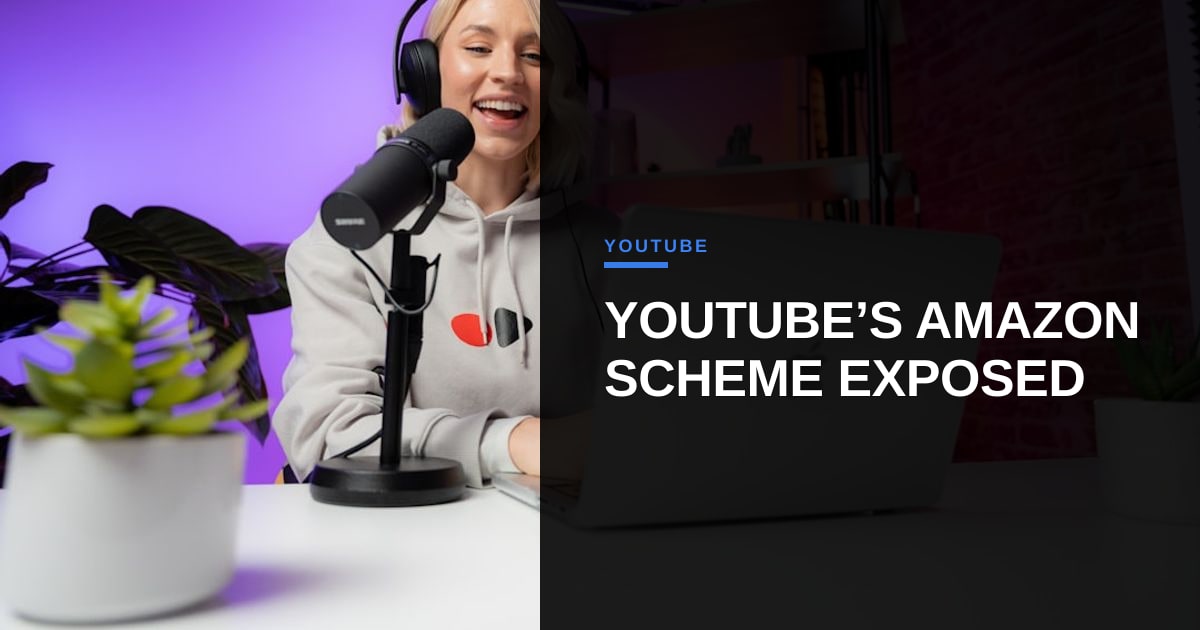
Photo: Videodeck .co / Unsplash (https://unsplash.com/@videodeck)

Comments (2)
I agree that the commission structure is a concern, but have you considered how this feature could benefit smaller creators who struggle to secure brand deals? Even a small cut could be a game-changer for them.
I agree that the commission structure is a concern, but have you considered how this feature could be a game-changer for niche creators with highly engaged audiences and a specific product focus?