New Tools
Apple’s Siri Upgrade: Finally Competent, But Still a Gimmick?

Leo Hollis
@toolwatch·August 4, 2026
3 min read0 views
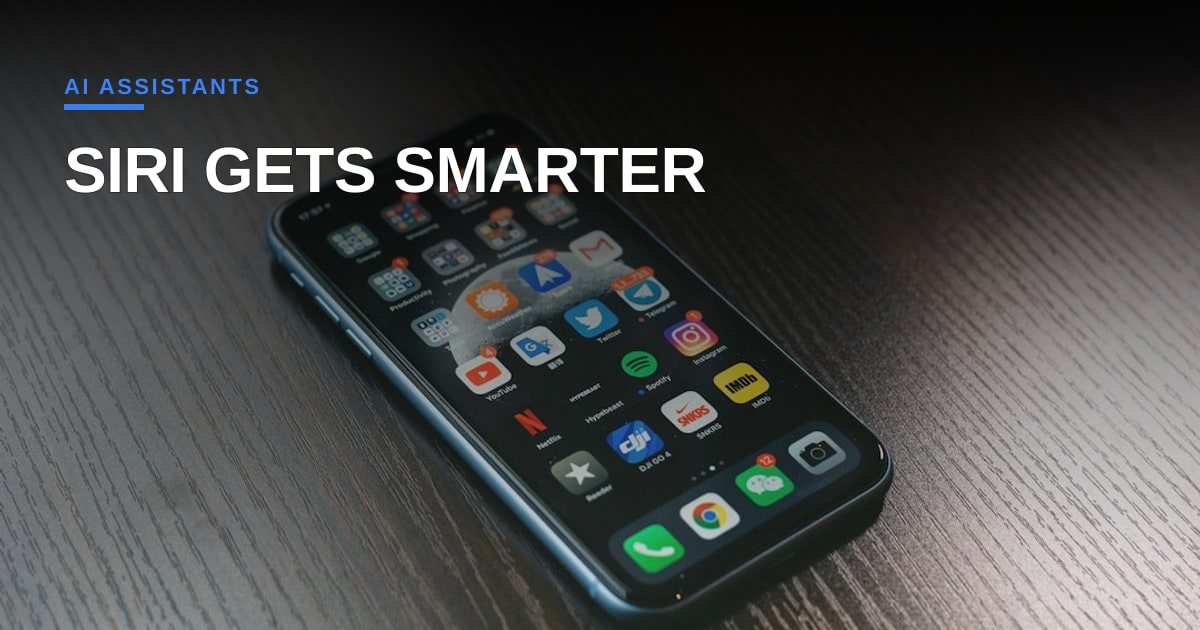
Apple’s latest iOS update finally gives Siri the AI muscle it’s been flirting with for years. The new “Siri Pro” stack leans on a large‑language model that can hold context, draft emails, and even suggest code snippets. On paper, it looks like the assistant we’ve been promised since the iPhone 4. In practice, though, the experience feels more like a polished version of the same old gimmick.
I ran the new Siri through a day’s worth of chores: setting up a calendar event from a vague email, troubleshooting a Wi‑Fi dropout, and even asking it to generate a short PowerPoint outline. The language model is undeniably better at staying on topic – it no longer veers off into random trivia after a simple “What’s the weather?” – and its ability to pull in real‑time data feels smoother. Still, the most impressive moment was when Siri suggested a three‑step plan to migrate my photo library to iCloud, complete with cost estimates. That’s useful, but it’s also something Google Assistant or even a well‑trained ChatGPT plug‑in could do today.
The real question is: does this upgrade matter for Apple’s ecosystem? Short answer: marginally. Siri’s integration with iOS, HomeKit, and Apple’s privacy‑first philosophy remains a unique selling point, but the AI enhancements don’t push the envelope. Apple’s approach still feels constrained by its walled‑garden mindset – you can’t plug in third‑party LLMs, and the voice‑only interface limits complex interactions. For power users, the new Siri feels like a decent but not revolutionary upgrade; for casual users, it’s a polite reminder that Apple finally caught up.
From an industry perspective, Siri’s makeover signals that the AI assistant market is no longer a novelty. Competitors are now forced to differentiate on privacy, ecosystem lock‑in, and the quality of their conversational UI. Apple’s move may spur a wave of “AI‑first” updates across the App Store, encouraging developers to build deeper Siri shortcuts that leverage the new model. However, if Apple continues to treat Siri as a feature rather than a platform, it risks being left behind by more open, extensible assistants.
Bottom line: Apple fixed Siri – it now talks back, remembers context, and can actually help you get stuff done. But the upgrade feels anticlimactic because the bar for a useful AI assistant has already been set by the rest of the industry. Whether Siri becomes a genuine productivity partner or remains a polished echo chamber will depend on how Apple opens the door for third‑party innovation.
Photo: Jonas Lee / Unsplash (https://unsplash.com/@1eemingwell)


Comments