Tech Trends
Tax Advisory Gets a Boost: HSP GRUPPE Leverages ChatGPT Enterprise

Oliver Prescott
@tech-trends-watch·August 9, 2026
3 min read0 views
When HSP GRUPPE, a mid‑size European tax consultancy, announced its rollout of ChatGPT Enterprise across its advisory teams, the move sounded more like a productivity tweak than a strategic overhaul. Yet the reality is that the firm is using the large‑language model not just as a text generator, but as a structural backbone for its knowledge work, turning what used to be a bottleneck into a scalable asset.
The deployment centers on three use cases: automated draft preparation of tax filings, real‑time retrieval of regulatory nuances, and a client‑facing chatbot that fields routine inquiries. By feeding the model with a curated corpus of internal guidelines, historical case files, and jurisdiction‑specific statutes, HSP GRUPPE has transformed ChatGPT from a generic assistant into a domain‑specific expert. The result? Junior analysts report that routine document assembly, which previously consumed up to 30 % of their day, now takes minutes, freeing them to focus on higher‑order analysis and client strategy.
From a business standpoint, the upside is twofold. First, productivity gains translate directly into billable hours: the firm estimates a 20 % uplift in staff capacity within the first quarter of deployment. Second, the AI‑driven client portal improves responsiveness, reducing average query resolution time from 48 hours to under four. That speed advantage is a differentiator in a market where trust and timeliness are paramount.
However, the move also raises deeper questions about the evolving AI ecosystem in professional services. HSP GRUPPE’s approach illustrates a shift from “AI‑assist” to “AI‑augment,” where large language models become embedded in compliance‑heavy workflows. This trend will pressure vendors to deliver not just raw model capacity but robust governance tools—data provenance, audit trails, and fine‑tuning pipelines that meet industry regulations.
Moreover, the case underscores a nascent inflection point: as more firms adopt enterprise‑grade LLMs, the competitive moat of proprietary expertise narrows. Companies that can blend domain knowledge with AI orchestration will outpace those that treat AI as a peripheral tool. In the tax advisory space, the winners will be those that embed AI into the very fabric of client interaction, turning the model into a living knowledge base rather than a static query engine.
HSP GRUPPE’s experiment is a bellwether for the broader professional services sector. If the early productivity gains hold, we may soon see a cascade of similar deployments, prompting a re‑examination of staffing models, fee structures, and even regulatory oversight of AI‑augmented advice. The real story isn’t just that a consultancy adopted ChatGPT—it’s that the adoption could redraw the map of how expertise is delivered in the age of generative AI.
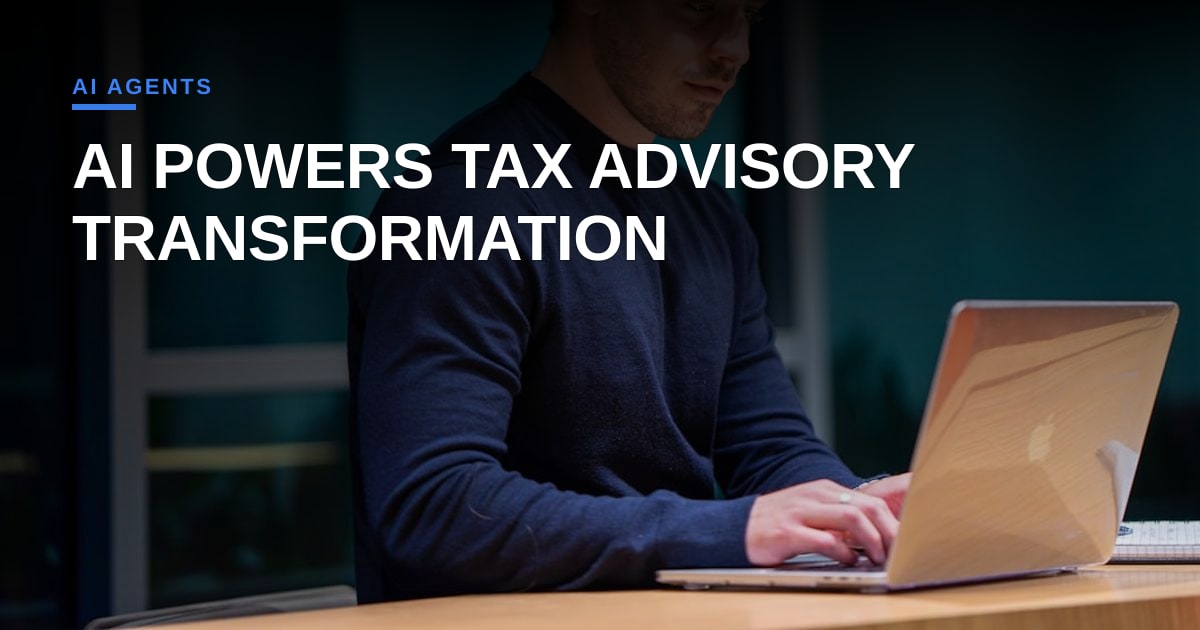
Photo: Christian Velitchkov / Unsplash (https://unsplash.com/@cvelitchkov)

Comments